THE ADVENTURE COLLECTIVE® · Independent discovery and booking for outdoor travel

Three days on an open-air jeep through Ha Giang’s karst plateaus, Ma Pi Leng Pass and ethnic villages—scenic overlooks, market visits, and homestays along the UNESCO-listed Dong Van Geopark. Practical, photo-ready mountain travel with short cultural walks.
Three days on an open-air jeep through Ha Giang’s karst plateaus, Ma Pi Leng Pass and ethnic villages—scenic overlooks, market visits, and homestays along the UNESCO-listed Dong Van Geopark. Practical, photo-ready mountain travel with short cultural walks.
The open-air jeep rumbles out of Ha Giang City at first light, tires chewing gravel as limestone peaks open like folding pages. Wind pushes at your face; valleys dip away, and the Nho Que River dares you to look down into its green-blue cut. Over the next three days the road climbs past Pac Sum Pass (above 1,000 m), threads Heaven Gate and Ma Pi Leng’s panoramic shoulders, and slips through Dao and Hmong villages where terraces stripe the hillsides.
Verified experiences and guided adventures in the surrounding area.
Operated by Ha Noi Jeep Adventures · Ha Giang City, Ha Giang Province
The open-air jeep rumbles out of Ha Giang City at first light, tires chewing gravel as limestone peaks open like folding pages. Wind pushes at your face; valleys dip away, and the Nho Que River dares you to look down into its green-blue cut. Over the next three days the road climbs past Pac Sum Pass (above 1,000 m), threads Heaven Gate and Ma Pi Leng’s panoramic shoulders, and slips through Dao and Hmong villages where terraces stripe the hillsides.
This is the Dong Van Karst Plateau—a UNESCO Global Geopark shaped by ancient seas and karst weathering that left a forest of limestone towers and deep, narrow canyons. The route visits the Vuong family’s Hmong King Palace, local markets in Meo Vac when schedules align, and backroads that reveal terrace farming, Dao stilt homes, and roadside shrines. Cultural rhythms—hand-woven textiles, hill-tribe cuisines, and communal water buffalo—are part of the day-to-day here.
Practical guidance: expect long driving stretches with frequent photo stops; pack a lightweight waterproof layer, sun protection, and sturdy walking shoes for village walks and short hikes. Carry at least 2–3 liters of water per person each day and small change for markets. Be prepared for temperature swings above 1,000 m and dusty, bumpy backroads on open-air vehicles. Respect household customs when visiting families, ask before photographing people, and follow your guide on safety at overlooks. The tour balances cinematic scenery with straightforward logistics—bring curiosity, sensible gear, and a readiness for variable mountain weather.
The tour begins in Ha Giang City with hotel pickup and returns to Ha Giang; many operators offer onward transfer to Hanoi in the evening of day 3.
Local drivers are experienced on these roads, but seating in an open-air jeep exposes you to dust and bumps—follow the guide's safety instructions and remain seated while the vehicle is moving.
No special fitness is required beyond the ability to climb short village steps and walk uneven ground for 15–30 minute visits.
The itinerary typically includes two nights’ accommodation (one homestay/guesthouse in Dong Van or Du Gia); confirm specifics at booking.
Ha Noi Jeep Adventures operates guided outdoor trips and adventures with an emphasis on safety, stewardship, and memorable experiences.
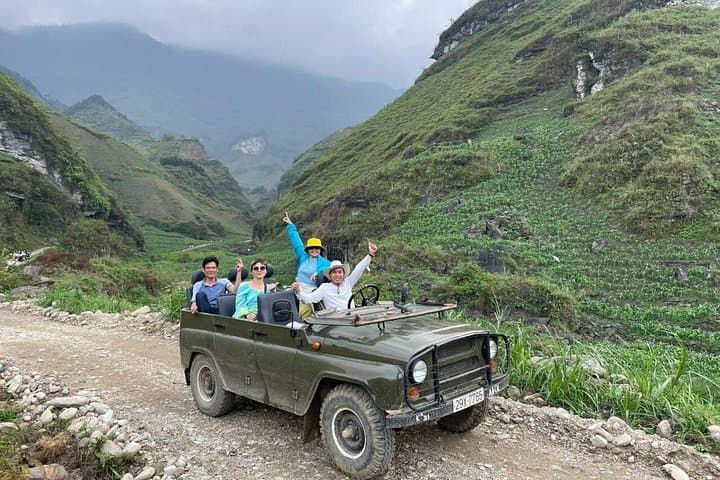
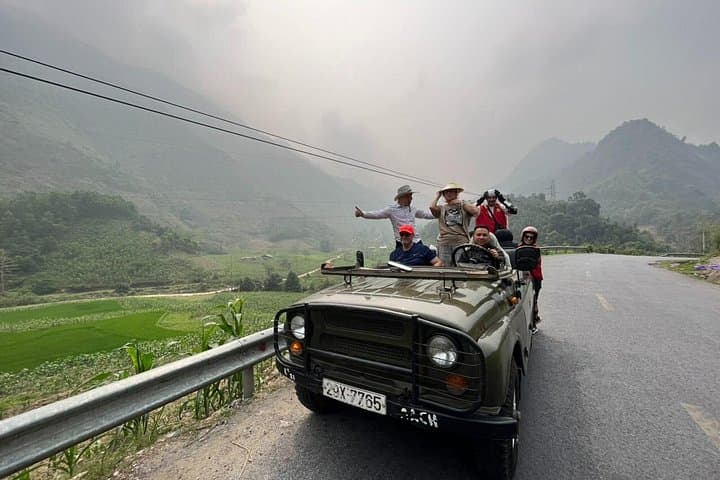
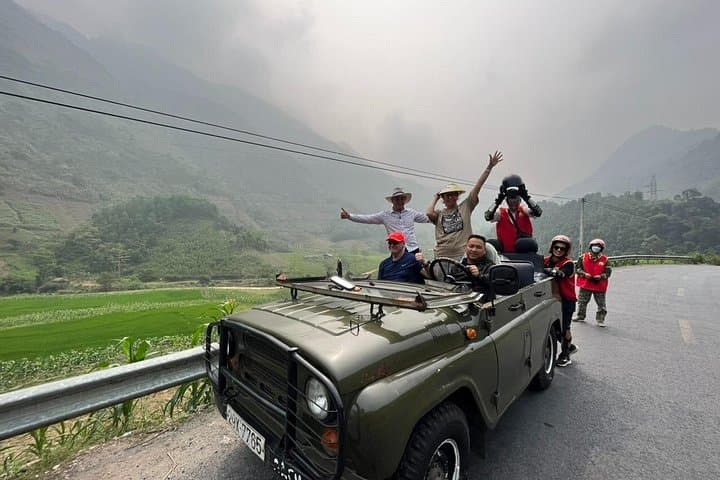
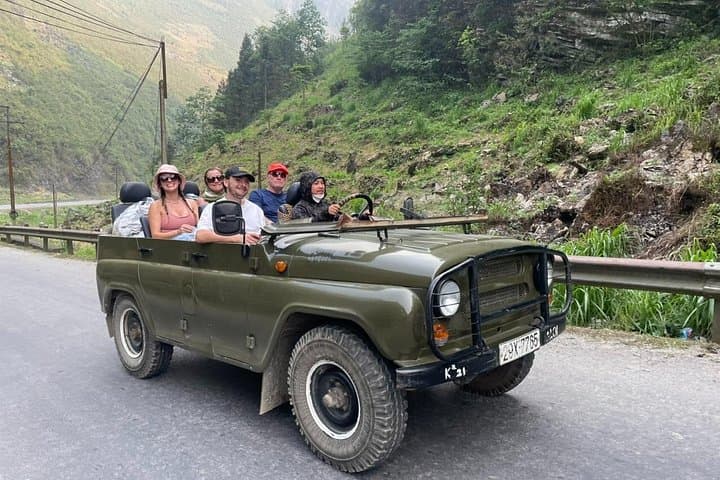
The open-air jeep rumbles out of Ha Giang City at first light, tires chewing gravel as limestone peaks open like folding pages. Wind pushes at your face; valleys dip away, and the Nho Que River dares you to look down into its green-blue cut. Over the next three days the road climbs past Pac Sum Pass (above 1,000 m), threads Heaven Gate and Ma Pi Leng’s panoramic shoulders, and slips through Dao and Hmong villages where terraces stripe the hillsides.
The open-air jeep rumbles out of Ha Giang City at first light, tires chewing gravel as limestone peaks open like folding pages. Wind pushes at your face; valleys dip away, and the Nho Que River dares you to look down into its green-blue cut. Over the next three days the road climbs past Pac Sum Pass (above 1,000 m), threads Heaven Gate and Ma Pi Leng’s panoramic shoulders, and slips through Dao and Hmong villages where terraces stripe the hillsides.
This is the Dong Van Karst Plateau—a UNESCO Global Geopark shaped by ancient seas and karst weathering that left a forest of limestone towers and deep, narrow canyons. The route visits the Vuong family’s Hmong King Palace, local markets in Meo Vac when schedules align, and backroads that reveal terrace farming, Dao stilt homes, and roadside shrines. Cultural rhythms—hand-woven textiles, hill-tribe cuisines, and communal water buffalo—are part of the day-to-day here.
Practical guidance: expect long driving stretches with frequent photo stops; pack a lightweight waterproof layer, sun protection, and sturdy walking shoes for village walks and short hikes. Carry at least 2–3 liters of water per person each day and small change for markets. Be prepared for temperature swings above 1,000 m and dusty, bumpy backroads on open-air vehicles. Respect household customs when visiting families, ask before photographing people, and follow your guide on safety at overlooks. The tour balances cinematic scenery with straightforward logistics—bring curiosity, sensible gear, and a readiness for variable mountain weather.