THE ADVENTURE COLLECTIVE® · Independent discovery and booking for outdoor travel

Ride the Ha Giang loop over three days of sharp passes, limestone plateaus and river gorges. This practical guide covers the key sights—Ma Pi Leng, Quan Ba and Dong Van—plus what to pack and how to prepare.
Ride the Ha Giang loop over three days of sharp passes, limestone plateaus and river gorges. This practical guide covers the key sights—Ma Pi Leng, Quan Ba and Dong Van—plus what to pack and how to prepare.
The road rises before sunrise, cool mountain air peeling the city from your skin as a sleeper bus or shuttle drops you in Ha Giang. Over three days the asphalt threads through hairpin turns, karst ribs and river-cut gorges; motorbikes and local drivers set the pace, and the landscape pushes back with sudden cliffs and bowl-like valleys.
Verified experiences and guided adventures in the surrounding area.
Operated by Asia Group Tour · Ha Giang, Ha Giang Province
The road rises before sunrise, cool mountain air peeling the city from your skin as a sleeper bus or shuttle drops you in Ha Giang. Over three days the asphalt threads through hairpin turns, karst ribs and river-cut gorges; motorbikes and local drivers set the pace, and the landscape pushes back with sudden cliffs and bowl-like valleys.
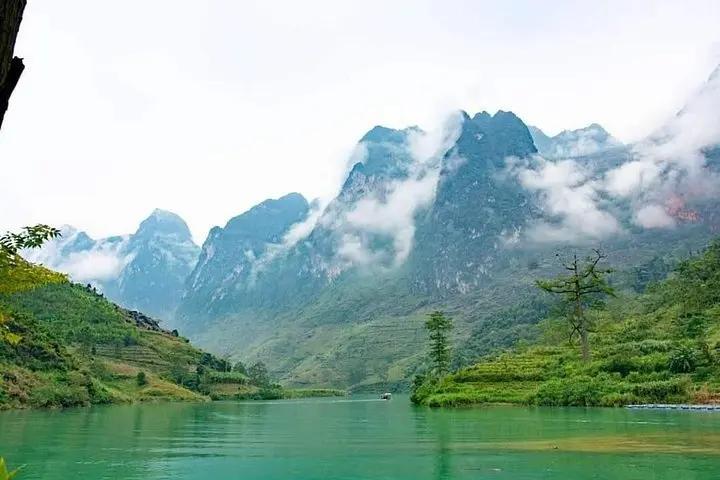
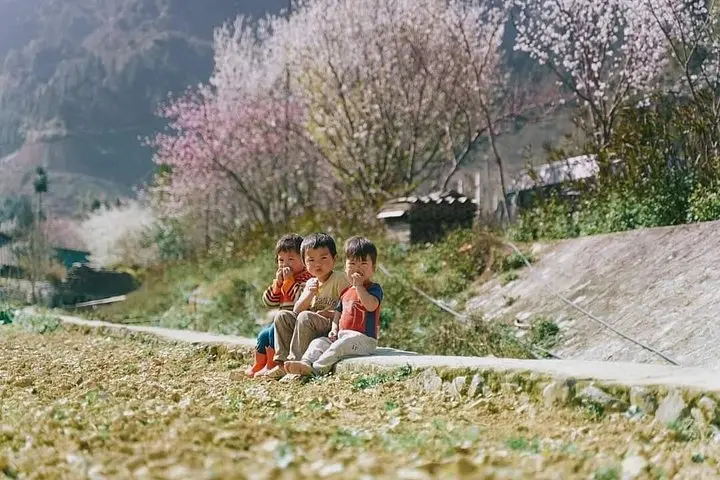
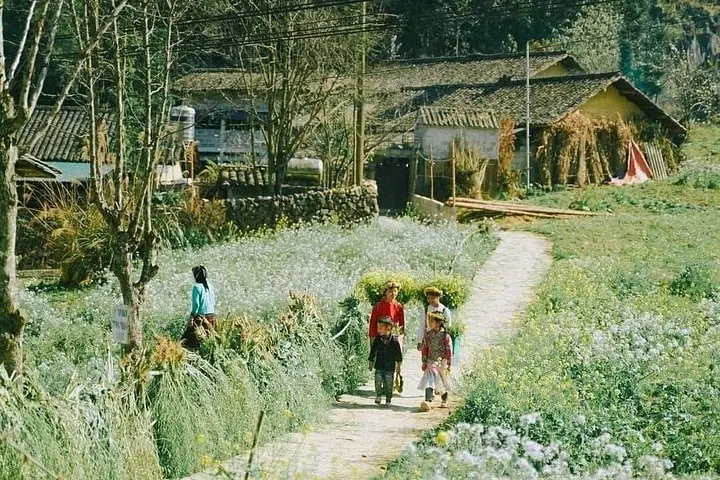
Geology here is plain to see: the Dong Van Karst Plateau is an uplifted limestone tableland carved into pinnacles and rounded domes over millions of years. Culturally the region is a patchwork of Hmong, Tay and Dao villages—stone houses and markets that still trade in woven cloth and mountain herbs. Key sites include Quan Ba Heaven Gate (~1,500 m), the Dinh Vua Meo mansion, and Ma Pi Leng Pass (circa 2,000 m), which towers above the 46 km sweep of the Nho Que River.
Expect roughly 300–350 km of riding over three days with sustained climbs to 2,000 m, frequent elevation changes and narrow shoulders; some short gravel sections appear near high passes. Nights are usually in simple homestays or Dong Van town; food is hearty and local.
Practical guidance: travel with a reputable operator or experienced driver, carry layered clothing for cold mornings and sun at altitude, and budget for cash in small villages. Helmets and basic riding insurance are non-negotiable. Pace your days—stop for photos at viewpoints and leave extra time for local markets and unplanned detours. With respect for local customs and attention on the road, the Ha Giang loop rewards with wide views and encounters that feel earned.
No—most tours provide a driver for each motorbike so guests can ride as passengers; some operators allow experienced renters to ride solo if desired.
Ma Pi Leng Pass reaches about 2,000 meters above sea level, with other passes like Quan Ba around 1,500 m and Can Ty near 1,000 m.
Homestays are basic but authentic—expect shared facilities, simple meals, and the charm of staying with local families rather than luxury amenities.
Summer rains can cause slippery roads and occasional landslides; reputable operators monitor conditions and may alter itineraries if roads are unsafe.
Asia Group Tour operates guided outdoor trips and adventures with an emphasis on safety, stewardship, and memorable experiences.
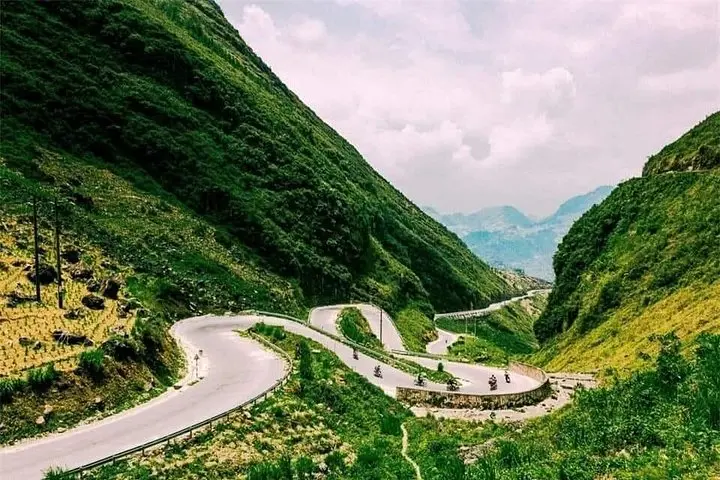
The road rises before sunrise, cool mountain air peeling the city from your skin as a sleeper bus or shuttle drops you in Ha Giang. Over three days the asphalt threads through hairpin turns, karst ribs and river-cut gorges; motorbikes and local drivers set the pace, and the landscape pushes back with sudden cliffs and bowl-like valleys.
The road rises before sunrise, cool mountain air peeling the city from your skin as a sleeper bus or shuttle drops you in Ha Giang. Over three days the asphalt threads through hairpin turns, karst ribs and river-cut gorges; motorbikes and local drivers set the pace, and the landscape pushes back with sudden cliffs and bowl-like valleys.
Geology here is plain to see: the Dong Van Karst Plateau is an uplifted limestone tableland carved into pinnacles and rounded domes over millions of years. Culturally the region is a patchwork of Hmong, Tay and Dao villages—stone houses and markets that still trade in woven cloth and mountain herbs. Key sites include Quan Ba Heaven Gate (~1,500 m), the Dinh Vua Meo mansion, and Ma Pi Leng Pass (circa 2,000 m), which towers above the 46 km sweep of the Nho Que River.
Expect roughly 300–350 km of riding over three days with sustained climbs to 2,000 m, frequent elevation changes and narrow shoulders; some short gravel sections appear near high passes. Nights are usually in simple homestays or Dong Van town; food is hearty and local.
Practical guidance: travel with a reputable operator or experienced driver, carry layered clothing for cold mornings and sun at altitude, and budget for cash in small villages. Helmets and basic riding insurance are non-negotiable. Pace your days—stop for photos at viewpoints and leave extra time for local markets and unplanned detours. With respect for local customs and attention on the road, the Ha Giang loop rewards with wide views and encounters that feel earned.