THE ADVENTURE COLLECTIVE® · Independent discovery and booking for outdoor travel

A six-day circuit through Vietnam’s northern karst—Ha Giang, Ma Pi Leng, Ban Gioc and Ba Bể—combines high mountain passes, ethnic‑minority villages and a scenic lake boat trip. Expect long drives, short hikes and hands-on homestays.
A six-day circuit through Vietnam’s northern karst—Ha Giang, Ma Pi Leng, Ban Gioc and Ba Bể—combines high mountain passes, ethnic‑minority villages and a scenic lake boat trip. Expect long drives, short hikes and hands-on homestays.
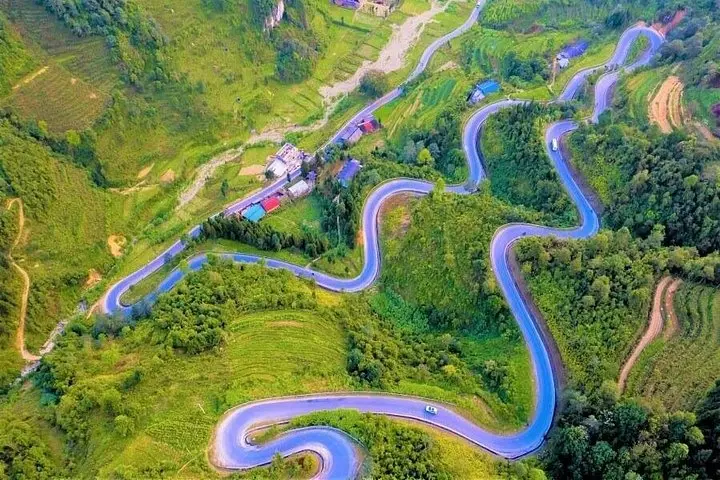
Dawn breaks over a ribbon of mountain road as the bus winds out of Hanoi and into the limestone karst of northern Vietnam. Air cools, terraces and jagged peaks slide past, and by the time you reach the Ha Giang loop the landscape feels like a country that dares you to look away.
Verified experiences and guided adventures in the surrounding area.
Operated by Red Gecko Travel · Ha Giang, Ha Giang Province
Dawn breaks over a ribbon of mountain road as the bus winds out of Hanoi and into the limestone karst of northern Vietnam. Air cools, terraces and jagged peaks slide past, and by the time you reach the Ha Giang loop the landscape feels like a country that dares you to look away.
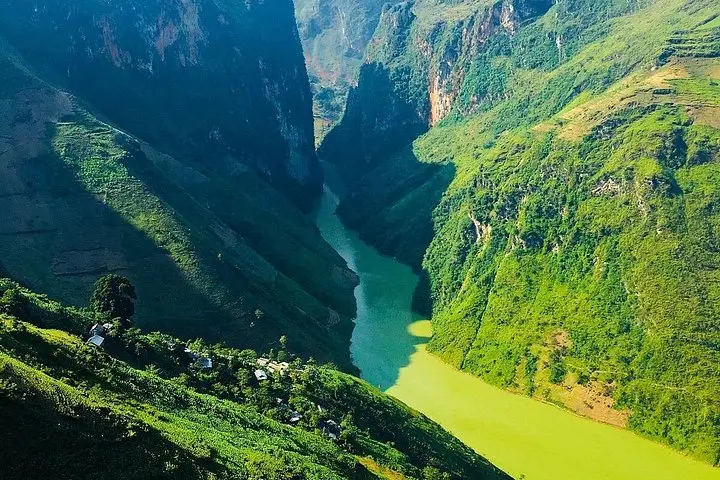
This six-day route threads Ha Giang, Đồng Văn, Mèo Vạc, Cao Bằng and Ba Bể Lake—regions shaped by uplifted karst and deep river canyons carved over millennia. Ma Pi Leng perches above the Nho Que Gorge, a dizzying viewpoint where cliffs fall toward turquoise water. Ban Gioc, on the China border, is a multi-tiered curtain of water spilling over travertine steps. Cultural notes appear in every village: H'Mong, Tay, Dzao and Lo Lo communities maintain stilt houses, intricate textiles and market rhythms that reflect centuries of upland life.
Practically, expect long driving days punctuated by short hikes, village visits and a four-hour boat on Ba Bể Lake. Accommodations range from modest homestays to simple guesthouses; meals highlight local noodles, smoked meats and river fish. Weather can flip—mornings may be misty while afternoons are sunny—so layer.
Plan for steady walking on uneven trails, steps at viewpoints and brief climbs to flag towers. Carry cash for small purchases and tips, and allow extra time at passes for photography. Respect local customs: ask before photographing people, remove shoes indoors, and support community guides and homestays. Leave no trace across trails and waterlines—the karst and lakes are fragile and best preserved by low-impact travel.
Most travelers to Vietnam require a visa or visa exemption—check your nationality’s requirements well before booking and carry passport details requested at booking.
The tour involves long drives with occasional short hikes and stair climbs; it’s rated accessible for most fitness levels but not suitable for those with serious mobility or heart issues.
Bring modest clothing, a small towel, basic toiletries, and a small flashlight; pack a sleeping liner if you prefer extra bedding cleanliness.
Meals listed in the itinerary (breakfasts, lunches, dinners) and entrance fees are included as stated—tipping for guides and drivers is expected (about $5/day recommended).
Red Gecko Travel operates guided outdoor trips and adventures with an emphasis on safety, stewardship, and memorable experiences.


Dawn breaks over a ribbon of mountain road as the bus winds out of Hanoi and into the limestone karst of northern Vietnam. Air cools, terraces and jagged peaks slide past, and by the time you reach the Ha Giang loop the landscape feels like a country that dares you to look away.
Dawn breaks over a ribbon of mountain road as the bus winds out of Hanoi and into the limestone karst of northern Vietnam. Air cools, terraces and jagged peaks slide past, and by the time you reach the Ha Giang loop the landscape feels like a country that dares you to look away.
This six-day route threads Ha Giang, Đồng Văn, Mèo Vạc, Cao Bằng and Ba Bể Lake—regions shaped by uplifted karst and deep river canyons carved over millennia. Ma Pi Leng perches above the Nho Que Gorge, a dizzying viewpoint where cliffs fall toward turquoise water. Ban Gioc, on the China border, is a multi-tiered curtain of water spilling over travertine steps. Cultural notes appear in every village: H'Mong, Tay, Dzao and Lo Lo communities maintain stilt houses, intricate textiles and market rhythms that reflect centuries of upland life.
Practically, expect long driving days punctuated by short hikes, village visits and a four-hour boat on Ba Bể Lake. Accommodations range from modest homestays to simple guesthouses; meals highlight local noodles, smoked meats and river fish. Weather can flip—mornings may be misty while afternoons are sunny—so layer.
Plan for steady walking on uneven trails, steps at viewpoints and brief climbs to flag towers. Carry cash for small purchases and tips, and allow extra time at passes for photography. Respect local customs: ask before photographing people, remove shoes indoors, and support community guides and homestays. Leave no trace across trails and waterlines—the karst and lakes are fragile and best preserved by low-impact travel.