THE ADVENTURE COLLECTIVE® · Independent discovery and booking for outdoor travel

Follow a five-day loop from Ha Giang’s high passes to the tiered cascades of Ban Gioc. This compact guide outlines what to expect—vistas, villages, practical packing and timing—to help you plan a safe, immersive northern Vietnam trip.
Follow a five-day loop from Ha Giang’s high passes to the tiered cascades of Ban Gioc. This compact guide outlines what to expect—vistas, villages, practical packing and timing—to help you plan a safe, immersive northern Vietnam trip.
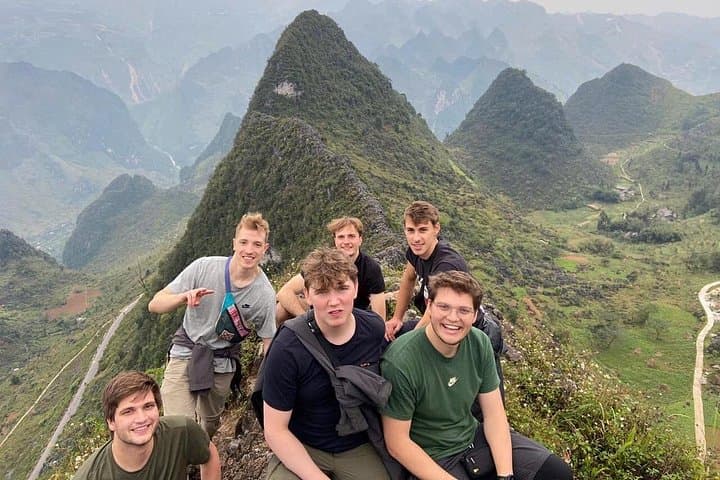
A ribbon of asphalt unwinds into cold light as the bus leaves Hanoi; by the second morning you’re climbing through switchbacks where clouds scrape the limestone teeth of the Hoang Su Phi range. The air sharpens, terraces step down into valleys and the Ma Pi Leng pass looms—sheer cliffs, hairpin bends and a river that seems to dare you to keep going.
Verified experiences and guided adventures in the surrounding area.
Operated by Ha Giang Loop Trip · Ha Giang, Ha Giang Province
A ribbon of asphalt unwinds into cold light as the bus leaves Hanoi; by the second morning you’re climbing through switchbacks where clouds scrape the limestone teeth of the Hoang Su Phi range. The air sharpens, terraces step down into valleys and the Ma Pi Leng pass looms—sheer cliffs, hairpin bends and a river that seems to dare you to keep going.
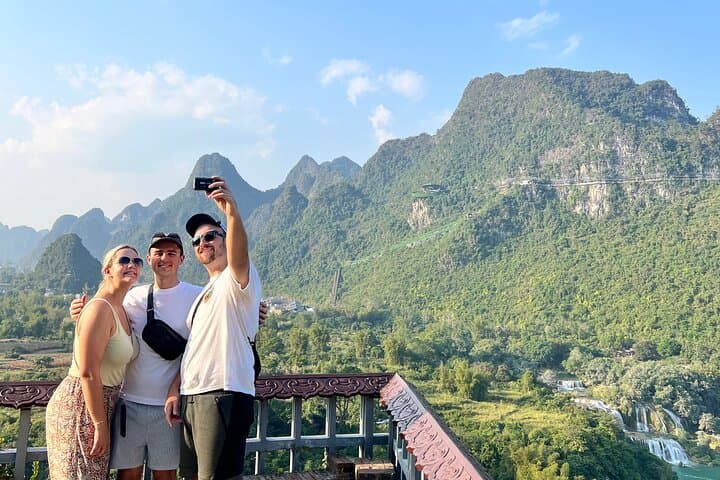
This loop stitches together Ha Giang’s highland culture with Cao Bang’s karst spectacle. The region’s geology is dominated by karst plates and deep fluvial canyons carved over millennia; Ban Gioc/Detian stands where those forces meet the border, a tiered cascade fed by upstream limestone basins. Local Tay, Hmong and Nung communities have farmed these slopes for centuries; old stone stilt houses and the Hmong King’s wooden palace tell a social history shaped by remoteness and resilient craft traditions.
Expect a practical rhythm: long coach transfers, short guided walks, a riverboat through Nho Que canyon and homestays that trade creature comforts for cultural immersion. Weather shifts fast—mornings bring mist on the passes, afternoons can be warm in the valleys. Bring layered clothing, waterproofs and sturdy shoes for slippery trails around waterfalls and caves.
Timing matters: spring and autumn give stable, clear travel days; monsoon months add drama to waterfalls but increase landslide risk. Carry local currency for remote villages, respect homestay customs (ask before photographing), and leave no trace around fragile karst and riparian zones. With modest fitness and a ready sense of curiosity, this 5-day loop delivers dramatic vistas, quiet villages and one of Southeast Asia’s most improbable waterfalls.
Yes—logistics (transport, guides, homestays) are organized, but be prepared for rural roads, basic accommodations and limited English in villages.
The road offers viewpoints and short walks; no technical climbing is required, but expect steep steps and exposed edges at viewpoints.
Swimming is generally not recommended near the main falls due to strong currents and variable depths—stick to designated viewing areas and ask guides about safe spots downstream.
Standard travel documents (passport) suffice for Vietnamese side visits; avoid straying into border zones and follow guide instructions—no special visas needed unless crossing the border.
Ha Giang Loop Trip operates guided outdoor trips and adventures with an emphasis on safety, stewardship, and memorable experiences.


A ribbon of asphalt unwinds into cold light as the bus leaves Hanoi; by the second morning you’re climbing through switchbacks where clouds scrape the limestone teeth of the Hoang Su Phi range. The air sharpens, terraces step down into valleys and the Ma Pi Leng pass looms—sheer cliffs, hairpin bends and a river that seems to dare you to keep going.
A ribbon of asphalt unwinds into cold light as the bus leaves Hanoi; by the second morning you’re climbing through switchbacks where clouds scrape the limestone teeth of the Hoang Su Phi range. The air sharpens, terraces step down into valleys and the Ma Pi Leng pass looms—sheer cliffs, hairpin bends and a river that seems to dare you to keep going.
This loop stitches together Ha Giang’s highland culture with Cao Bang’s karst spectacle. The region’s geology is dominated by karst plates and deep fluvial canyons carved over millennia; Ban Gioc/Detian stands where those forces meet the border, a tiered cascade fed by upstream limestone basins. Local Tay, Hmong and Nung communities have farmed these slopes for centuries; old stone stilt houses and the Hmong King’s wooden palace tell a social history shaped by remoteness and resilient craft traditions.
Expect a practical rhythm: long coach transfers, short guided walks, a riverboat through Nho Que canyon and homestays that trade creature comforts for cultural immersion. Weather shifts fast—mornings bring mist on the passes, afternoons can be warm in the valleys. Bring layered clothing, waterproofs and sturdy shoes for slippery trails around waterfalls and caves.
Timing matters: spring and autumn give stable, clear travel days; monsoon months add drama to waterfalls but increase landslide risk. Carry local currency for remote villages, respect homestay customs (ask before photographing), and leave no trace around fragile karst and riparian zones. With modest fitness and a ready sense of curiosity, this 5-day loop delivers dramatic vistas, quiet villages and one of Southeast Asia’s most improbable waterfalls.