THE ADVENTURE COLLECTIVE® · Independent discovery and booking for outdoor travel

Two days across Vietnam’s northern karst plateau—hairpin passes, an 800m canyon, traditional hilltribe villages and a homestay night in Dong Van. This practical guide covers what to expect, how to prepare, and the must-see stops along the route.
Two days across Vietnam’s northern karst plateau—hairpin passes, an 800m canyon, traditional hilltribe villages and a homestay night in Dong Van. This practical guide covers what to expect, how to prepare, and the must-see stops along the route.
Morning light slices between limestone towers as the minibus threads hairpin after hairpin into Ha Giang’s karst plateau. Wind ghosts the ridges; the Nho Que River carves a green ribbon through the canyon below and the Mapileng pass rises like a granite challenge daring you to look over the edge.
Verified experiences and guided adventures in the surrounding area.
Operated by Local Tours ASIA · Dong Van, Ha Giang Province
Morning light slices between limestone towers as the minibus threads hairpin after hairpin into Ha Giang’s karst plateau. Wind ghosts the ridges; the Nho Que River carves a green ribbon through the canyon below and the Mapileng pass rises like a granite challenge daring you to look over the edge.
This two-day loop runs across the Dong Van Karst Plateau, part of Vietnam’s UNESCO-recognized geopark. Geologically, the landscape is ancient limestone folded and etched by weather and river, producing cliffs, ravines and the 800m Mapileng canyon. Culturally, the route moves through H’Mông, Dao, Lô Lô and Tày communities where brocade weaving and family mansions—like the King’s house in Sa Phin—reflect centuries of upland life.
Expect a practical mix of road travel and short walks: morning pickups from homestays, scenic overlooks (Quan Ba Sky Gate, Tham Ma, 9 Rounds), a boat option on the Nho Que, and a night in Dong Van town. Road surfaces can be rough and weather shifts quickly at elevation, so plan for layered clothing and slower transit times.
Bring cash for optional boat or market purchases, allow time for photography stops, and respect local customs when visiting villages—ask before photographing people. Hydrate, wear sturdy shoes for village paths, and keep a small first-aid kit for bumps and altitude sniffles.
The route rewards patience: sunrise over the plateau, the slap of river water below canyon walls, and evenings in simple homestays where local food and stories put the landscape in human scale.
The tour is vehicle-based with short walks in villages and viewpoints—moderate effort is required for stairs and uneven paths but no technical fitness is needed.
The itinerary lists a boat option on Nho Que River; the return motorcycle and boat fees are often extra—bring cash and confirm with the guide.
Most travelers originate in Ha Giang or Hanoi; transport options include sleeping buses to Ha Giang and arranged pickups—confirm timing with the operator.
Yes, homestays in Dong Van are simple and comfortable with local cuisine; expect shared facilities and rustic conditions.
Local Tours ASIA operates guided outdoor trips and adventures with an emphasis on safety, stewardship, and memorable experiences.
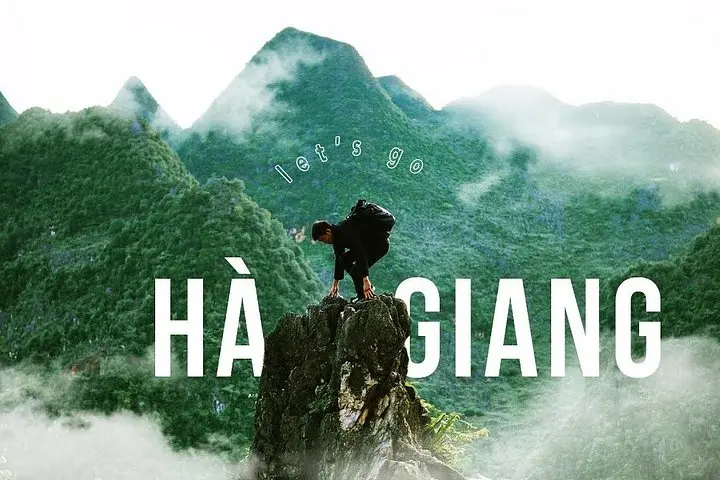
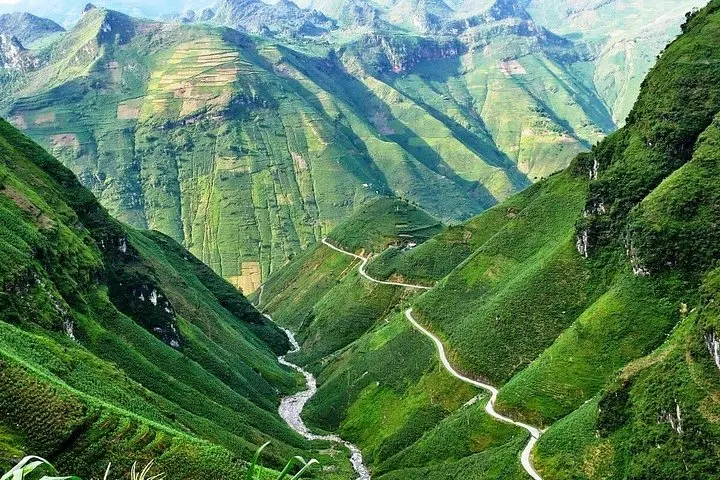
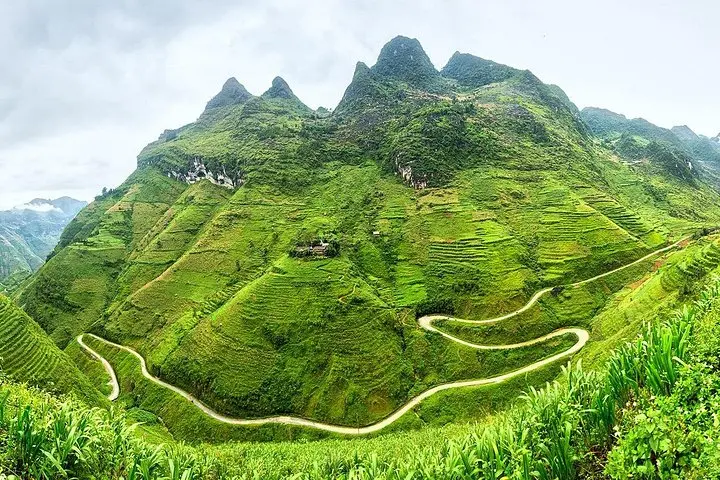
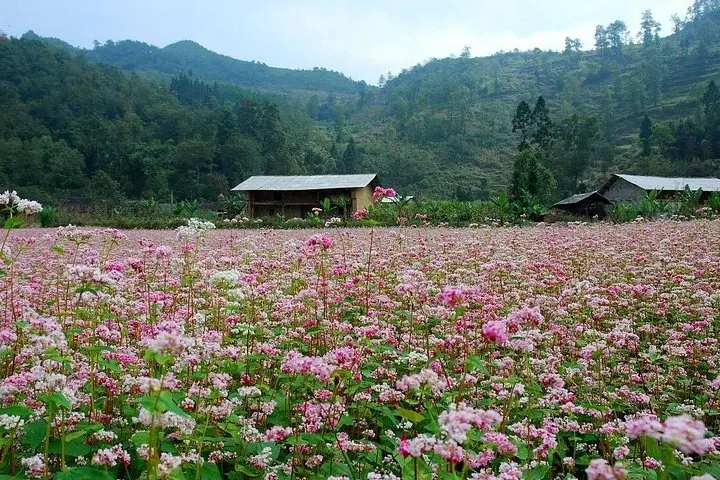
Morning light slices between limestone towers as the minibus threads hairpin after hairpin into Ha Giang’s karst plateau. Wind ghosts the ridges; the Nho Que River carves a green ribbon through the canyon below and the Mapileng pass rises like a granite challenge daring you to look over the edge.
Morning light slices between limestone towers as the minibus threads hairpin after hairpin into Ha Giang’s karst plateau. Wind ghosts the ridges; the Nho Que River carves a green ribbon through the canyon below and the Mapileng pass rises like a granite challenge daring you to look over the edge.
This two-day loop runs across the Dong Van Karst Plateau, part of Vietnam’s UNESCO-recognized geopark. Geologically, the landscape is ancient limestone folded and etched by weather and river, producing cliffs, ravines and the 800m Mapileng canyon. Culturally, the route moves through H’Mông, Dao, Lô Lô and Tày communities where brocade weaving and family mansions—like the King’s house in Sa Phin—reflect centuries of upland life.
Expect a practical mix of road travel and short walks: morning pickups from homestays, scenic overlooks (Quan Ba Sky Gate, Tham Ma, 9 Rounds), a boat option on the Nho Que, and a night in Dong Van town. Road surfaces can be rough and weather shifts quickly at elevation, so plan for layered clothing and slower transit times.
Bring cash for optional boat or market purchases, allow time for photography stops, and respect local customs when visiting villages—ask before photographing people. Hydrate, wear sturdy shoes for village paths, and keep a small first-aid kit for bumps and altitude sniffles.
The route rewards patience: sunrise over the plateau, the slap of river water below canyon walls, and evenings in simple homestays where local food and stories put the landscape in human scale.