THE ADVENTURE COLLECTIVE® · Independent discovery and booking for outdoor travel

Eight days of remote highland trails from Ha Giang to Sapa, passing karst plateaus, Ma Pi Leng's vertiginous passes and hill‑tribe villages. Expect daily hikes, winding roads and authentic homestays.
Eight days of remote highland trails from Ha Giang to Sapa, passing karst plateaus, Ma Pi Leng's vertiginous passes and hill‑tribe villages. Expect daily hikes, winding roads and authentic homestays.
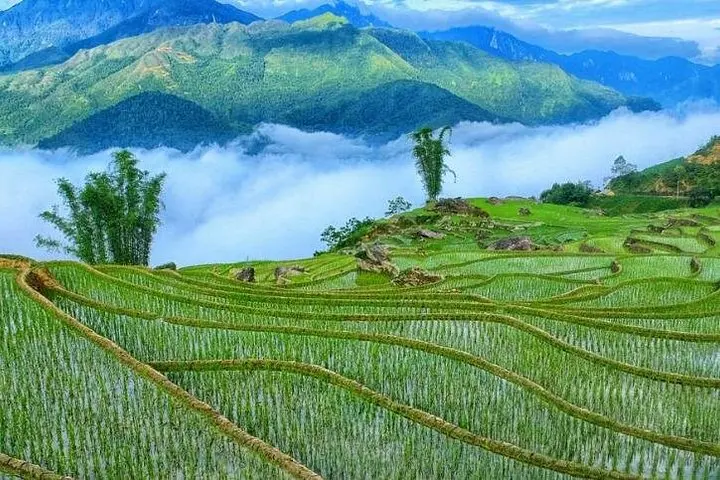
You step out of the minivan into a wind that seems to push you uphill, and the road behind you has already carved a ribbon away from the valley. Rice terraces fan down like staircases, limestone towers lift their gray faces, and a river below dares you to look over the rim.
Verified experiences and guided adventures in the surrounding area.
Operated by Mr Linh's Adventures · Ha Giang, Ha Giang Province
You step out of the minivan into a wind that seems to push you uphill, and the road behind you has already carved a ribbon away from the valley. Rice terraces fan down like staircases, limestone towers lift their gray faces, and a river below dares you to look over the rim.
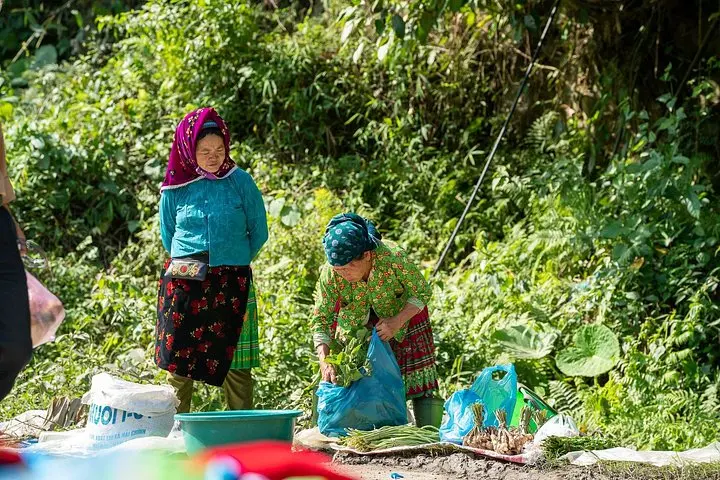
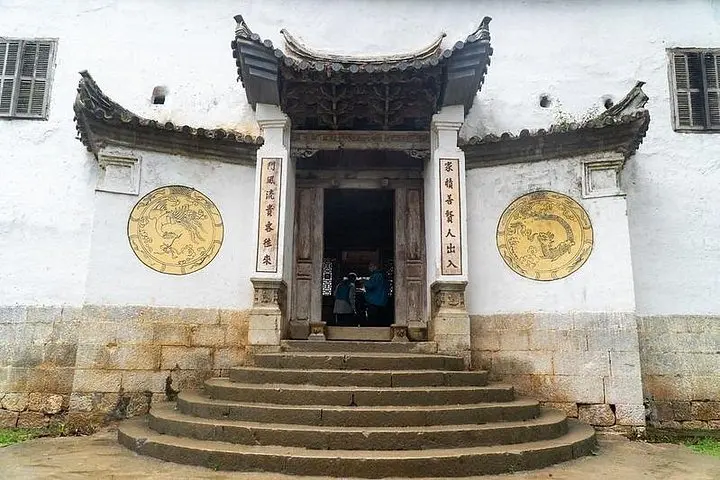
This eight‑day route threads Ha Giang, Dong Van, Meo Vac, Hoang Su Phi, Bac Ha and Sapa — regions shaped by limestone karst uplift and millennia of human terraces. The Dong Van Karst Plateau is a recognized Global Geopark; its weathered limestone creates steep passes, narrow canyons and wide, windswept tablelands. Ethnic minorities — H’mong, Dao, Tay and others — keep hill‑tribe houses, markets and textiles alive, and markets like Meo Vac still pulse on set days.
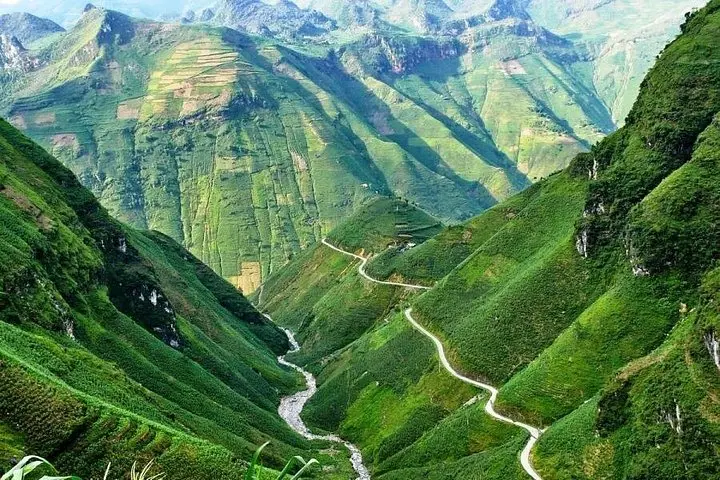
Expect daily walks ranging from short 5–7 km village treks to longer 10–12 km hikes across undulating trails and rocky ridge lines. Ma Pi Leng Pass slices 20 km of hairpin road above the Nho Que gorge; at its edge the valley seems to move under your feet. Optional ascent to Fansipan (3,143 m) via cable car adds high‑mountain exposure and a stiff temperature swing.
Practical notes: bring sturdy, broken‑in boots and a lightweight rain shell; many trails are narrow and can be slippery after rain. Carry 2–3 liters of water, cash for rural markets, and layers for rapid temperature shifts between valleys and high passes. Allow time for slow climbs and cultural stops; local homestays add authenticity but expect simple facilities. Travel light, tread respectfully, and let the landscape set the pace.
Daily distances range from 5–12 km on uneven terrain; most days are moderate but include steep sections—suitable for regular walkers.
No special foreign permits are required beyond standard travel documents; entrance fees for some sites may apply and are typically included by organized tours.
Homestays vary from basic to comfortable; expect shared bathrooms in villages and simple bedding—bring small comforts like earplugs.
Autumn (Sept–Nov) and spring (Mar–May) offer stable weather and clear views; summer is warmer with more rain, winter can be cold at higher elevations.
Mr Linh's Adventures operates guided outdoor trips and adventures with an emphasis on safety, stewardship, and memorable experiences.
You step out of the minivan into a wind that seems to push you uphill, and the road behind you has already carved a ribbon away from the valley. Rice terraces fan down like staircases, limestone towers lift their gray faces, and a river below dares you to look over the rim.
You step out of the minivan into a wind that seems to push you uphill, and the road behind you has already carved a ribbon away from the valley. Rice terraces fan down like staircases, limestone towers lift their gray faces, and a river below dares you to look over the rim.
This eight‑day route threads Ha Giang, Dong Van, Meo Vac, Hoang Su Phi, Bac Ha and Sapa — regions shaped by limestone karst uplift and millennia of human terraces. The Dong Van Karst Plateau is a recognized Global Geopark; its weathered limestone creates steep passes, narrow canyons and wide, windswept tablelands. Ethnic minorities — H’mong, Dao, Tay and others — keep hill‑tribe houses, markets and textiles alive, and markets like Meo Vac still pulse on set days.
Expect daily walks ranging from short 5–7 km village treks to longer 10–12 km hikes across undulating trails and rocky ridge lines. Ma Pi Leng Pass slices 20 km of hairpin road above the Nho Que gorge; at its edge the valley seems to move under your feet. Optional ascent to Fansipan (3,143 m) via cable car adds high‑mountain exposure and a stiff temperature swing.
Practical notes: bring sturdy, broken‑in boots and a lightweight rain shell; many trails are narrow and can be slippery after rain. Carry 2–3 liters of water, cash for rural markets, and layers for rapid temperature shifts between valleys and high passes. Allow time for slow climbs and cultural stops; local homestays add authenticity but expect simple facilities. Travel light, tread respectfully, and let the landscape set the pace.