THE ADVENTURE COLLECTIVE® · Independent discovery and booking for outdoor travel

Walk Haifa’s port and historic neighborhoods with a licensed guide: explore the Bahá'í terraces, Templer quarter, street-food alleys and renovated port in a 2–2.5 hour urban stroll. Practical route, local stories and dressing notes included.
Walk Haifa’s port and historic neighborhoods with a licensed guide: explore the Bahá'í terraces, Templer quarter, street-food alleys and renovated port in a 2–2.5 hour urban stroll. Practical route, local stories and dressing notes included.
The tour begins where salt and city meet — the renewed Haifa Port, graffiti-streaked warehouses and the Mediterranean daring you to look beyond the quay.
Verified experiences and guided adventures in the surrounding area.
Operated by Ilya Pevzner Tour Guide Israel · Haifa, Haifa District
The tour begins where salt and city meet — the renewed Haifa Port, graffiti-streaked warehouses and the Mediterranean daring you to look beyond the quay.
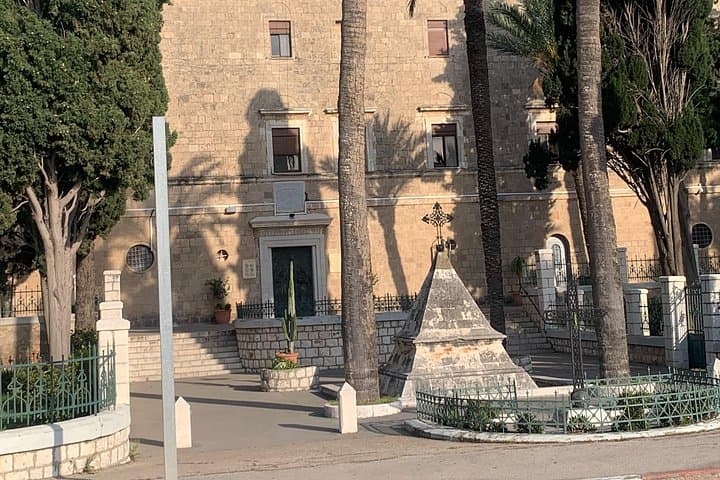
A licensed guide leads you up narrow streets through the Templer quarter, past Ottoman- and European-era stone houses, and into the lively, mixed neighborhoods where Arabic bakeries and Israeli cafés sit side-by-side. You’ll climb modest terraces that hint at Mount Carmel’s geology: layered limestone and sandstone folded against the bay and shaped by centuries of water and wind.
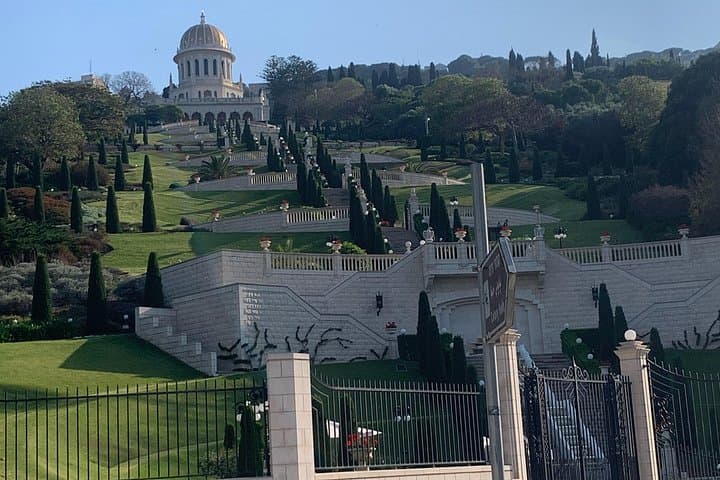
Haifa’s history reads as a cross-section of cultures — German Templer settlements from 1868, Ottoman urban planning, and the modern Bahá'í World Centre whose terraces step like a careful stairway between sea and summit. Street food and Arab sweets mark the city’s living culture; Druze and Christian neighborhoods add quiet chapters to the tour.
Expect about 2–2.5 hours on foot, roughly 3–4 km with intermittent elevation (up to ~100 m cumulative) and paved streets; parts of the Bahá'í terraces include steps and formal gardens. Practical notes: dress conservatively for religious sites, bring water and sun protection, and wear supportive walking shoes for cobbles and short stair sections. The guide can tailor the route or add sites by request.
This is an urban walk that combines geology, faith, and food into a compact, accessible outing — ideal for travelers who want Haifa’s many faces explained on foot with local context and clear logistics.
The tour lasts about 2–2.5 hours and covers roughly 3–4 km with up to ~100 m cumulative elevation depending on route choices.
This tour’s standard itinerary views the Bahá'í terraces from public access points; paid internal guided entry to the shrine or restricted areas is not included unless specified.
The guide can arrange wheelchair access upon advance notice; some terrace areas and older streets may have steps or uneven surfaces.
Yes—your licensed guide can extend the tour or add stops (e.g., additional neighborhoods) with prior arrangement and time adjustment.
Ilya Pevzner Tour Guide Israel operates guided outdoor trips and adventures with an emphasis on safety, stewardship, and memorable experiences.
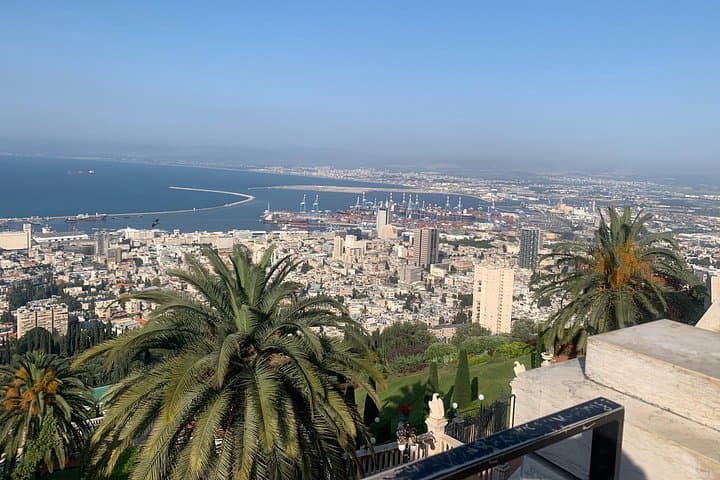
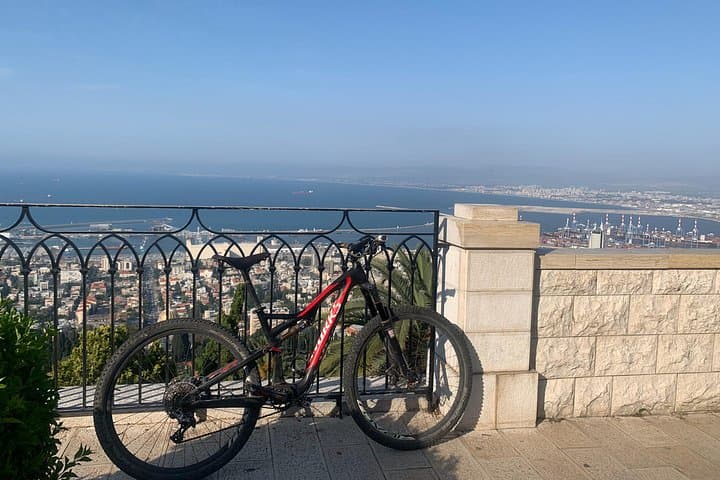
The tour begins where salt and city meet — the renewed Haifa Port, graffiti-streaked warehouses and the Mediterranean daring you to look beyond the quay.
The tour begins where salt and city meet — the renewed Haifa Port, graffiti-streaked warehouses and the Mediterranean daring you to look beyond the quay.
A licensed guide leads you up narrow streets through the Templer quarter, past Ottoman- and European-era stone houses, and into the lively, mixed neighborhoods where Arabic bakeries and Israeli cafés sit side-by-side. You’ll climb modest terraces that hint at Mount Carmel’s geology: layered limestone and sandstone folded against the bay and shaped by centuries of water and wind.
Haifa’s history reads as a cross-section of cultures — German Templer settlements from 1868, Ottoman urban planning, and the modern Bahá'í World Centre whose terraces step like a careful stairway between sea and summit. Street food and Arab sweets mark the city’s living culture; Druze and Christian neighborhoods add quiet chapters to the tour.
Expect about 2–2.5 hours on foot, roughly 3–4 km with intermittent elevation (up to ~100 m cumulative) and paved streets; parts of the Bahá'í terraces include steps and formal gardens. Practical notes: dress conservatively for religious sites, bring water and sun protection, and wear supportive walking shoes for cobbles and short stair sections. The guide can tailor the route or add sites by request.
This is an urban walk that combines geology, faith, and food into a compact, accessible outing — ideal for travelers who want Haifa’s many faces explained on foot with local context and clear logistics.