THE ADVENTURE COLLECTIVE® · Independent discovery and booking for outdoor travel

A private, full-day tour that pairs Hakone’s volcanic landscapes with the iconic views of Mount Fuji. Customizable stops include ropeway rides, a Lake Ashi cruise, traditional villages, and photography-perfect pagodas.
A private, full-day tour that pairs Hakone’s volcanic landscapes with the iconic views of Mount Fuji. Customizable stops include ropeway rides, a Lake Ashi cruise, traditional villages, and photography-perfect pagodas.
The van eases out of Tokyo’s glass and concrete and the air thins into cedar-scented cool. Within an hour the road climbs; Lake Ashi opens like a black mirror and Mount Fuji looms, patient and imperious, often revealing itself between cloud bands.
Verified experiences and guided adventures in the surrounding area.
Operated by Sakura Tokyo · Hakone, Kanagawa
The van eases out of Tokyo’s glass and concrete and the air thins into cedar-scented cool. Within an hour the road climbs; Lake Ashi opens like a black mirror and Mount Fuji looms, patient and imperious, often revealing itself between cloud bands.
This private, customizable day tour threads Hakone’s volcanic drama and the Fuji Five Lakes' quiet. Geology is on display: steaming vents at Owakudani, lava-formed ice caves, and waterfalls carved from ancient eruptions. Culturally, the route ties Shinto shrines—Kitaguchi Hongu and Chureito’s pagoda—to the mountain that has shaped Japanese pilgrimage, art, and seasonal festivals for centuries.
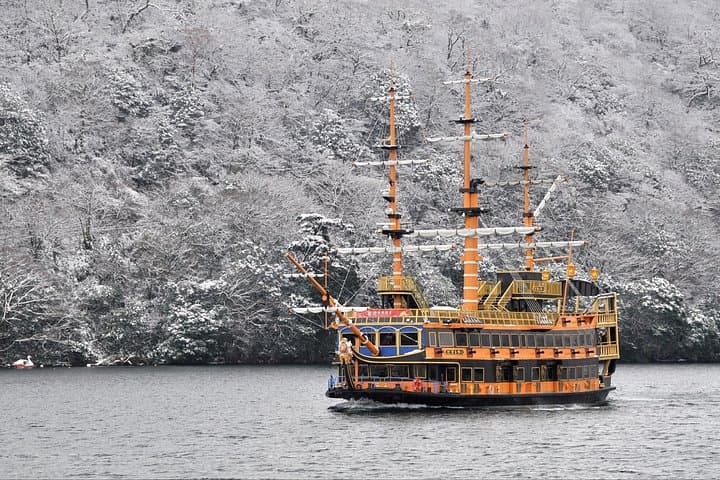
Expect a mix of short walks and scenic stops rather than rigorous hiking: a ropeway ride over sulfurous valleys, a 30-minute pirate-ship cruise on Lake Ashi, and time at Shiraito Falls and Oshino Hakkai. The guide provides local context—legends about black eggs, where to frame Fuji behind a pagoda, and which small cafés roast the best green tea.
Practically, plan for a full day: mornings and late afternoons give the clearest Fuji views; winter offers crisp visibility while summer can be hazy. Bring layers for wind at higher ropeway stations, comfortable shoes for short uneven paths, cash for small vendors, and a power bank for photos. The private vehicle and English-speaking guide make this flexible—opt for cultural villages, outlet shopping at Gotemba, or extend time at a lakeside viewpoint to photograph Mt Fuji as it shifts its mood.
Most transportation and the guide/vehicle are included; admissions to museums or optional attractions may require separate fees—confirm when booking.
Yes. It’s a private tour with a flexible schedule—discuss priorities (photography, shopping, nature stops) with your guide before departure.
No. This day tour visits foothill sights and viewpoints; summiting Mt Fuji requires a separate, multi-hour climb typically done in summer with specialized arrangements.
Winter and early spring often offer the clearest skies for uninterrupted views, while mornings are generally better than afternoons year-round.
Sakura Tokyo operates guided outdoor trips and adventures with an emphasis on safety, stewardship, and memorable experiences.
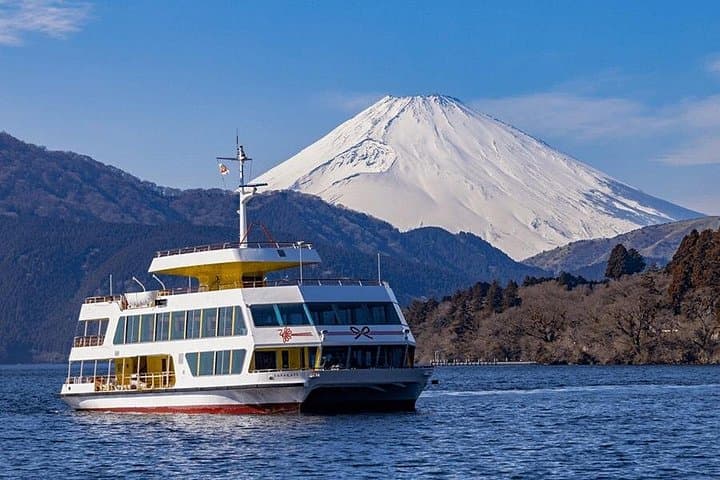
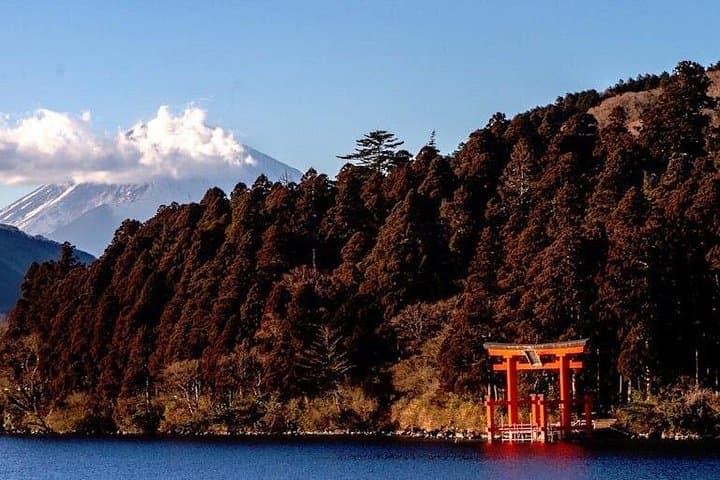
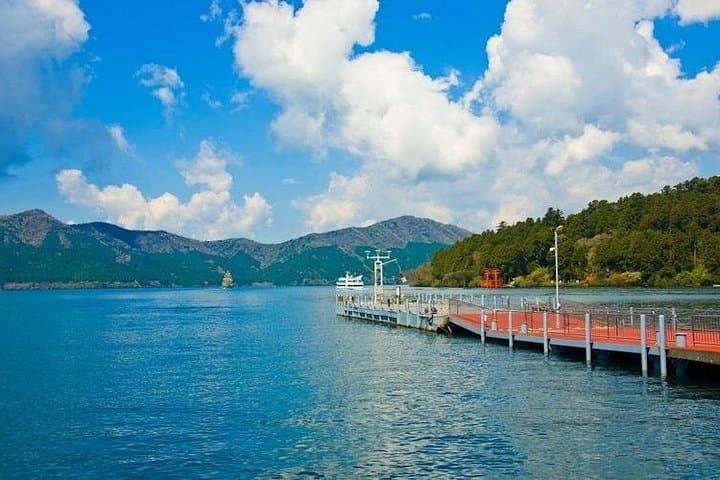
The van eases out of Tokyo’s glass and concrete and the air thins into cedar-scented cool. Within an hour the road climbs; Lake Ashi opens like a black mirror and Mount Fuji looms, patient and imperious, often revealing itself between cloud bands.
The van eases out of Tokyo’s glass and concrete and the air thins into cedar-scented cool. Within an hour the road climbs; Lake Ashi opens like a black mirror and Mount Fuji looms, patient and imperious, often revealing itself between cloud bands.
This private, customizable day tour threads Hakone’s volcanic drama and the Fuji Five Lakes' quiet. Geology is on display: steaming vents at Owakudani, lava-formed ice caves, and waterfalls carved from ancient eruptions. Culturally, the route ties Shinto shrines—Kitaguchi Hongu and Chureito’s pagoda—to the mountain that has shaped Japanese pilgrimage, art, and seasonal festivals for centuries.
Expect a mix of short walks and scenic stops rather than rigorous hiking: a ropeway ride over sulfurous valleys, a 30-minute pirate-ship cruise on Lake Ashi, and time at Shiraito Falls and Oshino Hakkai. The guide provides local context—legends about black eggs, where to frame Fuji behind a pagoda, and which small cafés roast the best green tea.
Practically, plan for a full day: mornings and late afternoons give the clearest Fuji views; winter offers crisp visibility while summer can be hazy. Bring layers for wind at higher ropeway stations, comfortable shoes for short uneven paths, cash for small vendors, and a power bank for photos. The private vehicle and English-speaking guide make this flexible—opt for cultural villages, outlet shopping at Gotemba, or extend time at a lakeside viewpoint to photograph Mt Fuji as it shifts its mood.