THE ADVENTURE COLLECTIVE® · Independent discovery and booking for outdoor travel

Ride a bullet train from Tokyo into a day of mountain trains, steaming vents and a serene Lake Ashi cruise. This one-day Hakone itinerary packs Owakudani’s volcanic action, a ropeway panorama and potential Mt. Fuji views into a compact, unforgettable loop.
Ride a bullet train from Tokyo into a day of mountain trains, steaming vents and a serene Lake Ashi cruise. This one-day Hakone itinerary packs Owakudani’s volcanic action, a ropeway panorama and potential Mt. Fuji views into a compact, unforgettable loop.
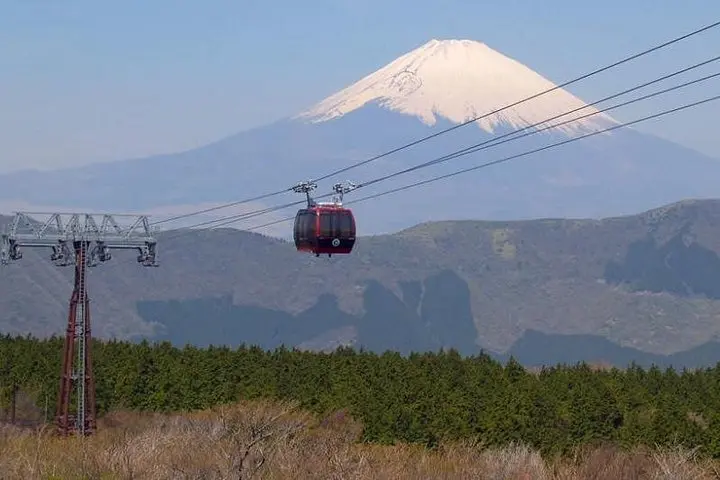
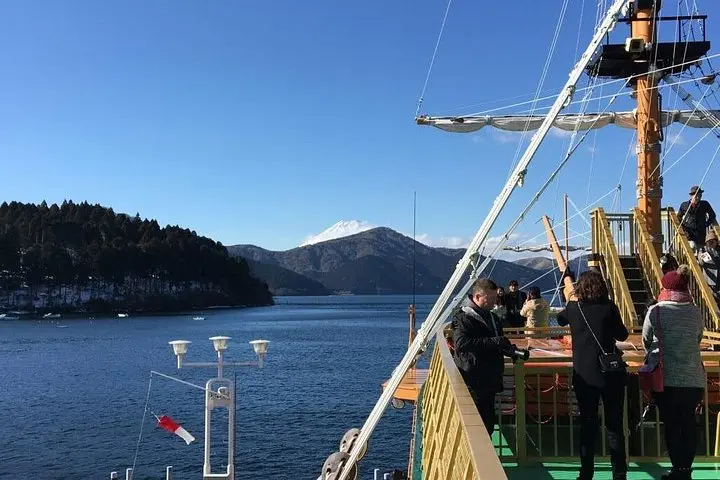
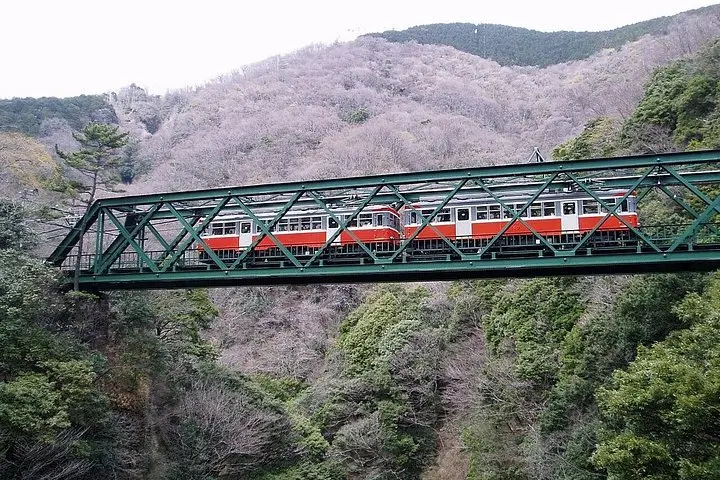
You step off the bullet train and the air changes: cooler, edged with pine and the faint tang of sulfur that reminds you this landscape is alive. The day unfolds as a sequence of transports that feel like chapters—Shinkansen slicing across the flatlands, a valley-hugging mountain train, a cable car lifting you past steaming vents, then a slow, reflective cruise across a dark mountain lake with Mt. Fuji attempting a cameo behind a bank of clouds.
Verified experiences and guided adventures in the surrounding area.
Operated by Fulfilling Inc. · Hakone, Kanagawa
You step off the bullet train and the air changes: cooler, edged with pine and the faint tang of sulfur that reminds you this landscape is alive. The day unfolds as a sequence of transports that feel like chapters—Shinkansen slicing across the flatlands, a valley-hugging mountain train, a cable car lifting you past steaming vents, then a slow, reflective cruise across a dark mountain lake with Mt. Fuji attempting a cameo behind a bank of clouds.
Hakone’s geography is theatrical because it’s recent in geological terms. Owakudani is a young volcanic zone born of the same caldera that created the lake; steam vents and hot springs are visible proof the earth is still shifting here. The black eggs—kuro-tamago—boiled in the sulphuric springs are an odd local rite: eat one and local lore says you’ll add seven years to your life. Nearby, Hakone Shrine stands at the water’s edge, its torii framing views across Lake Ashi and tying modern tourism to routes travelers used for centuries on the old Tokaido road.
The route itself is efficient and designed for a full-day window. Expect roughly 10 hours from hotel pickup in Tokyo to return: a Shinkansen hop to Odawara, a local train to Hakone-Yumoto, a roughly 40-minute mountain train to Gora, then a 20-minute cable car/ropeway to Owakudani. Plan on an hour to walk the fumarole area (sulfur odor can be strong; masks help), a 20-minute ropeway ride down toward the lake, and a 30-minute sightseeing cruise on Lake Ashi. Total walking is moderate with some uneven, volcanic rock and shrine approaches—elevation changes of several hundred meters cumulatively, with Owakudani around 1,040 meters above sea level.
Practicalities matter: visibility of Mt. Fuji is seasonal—winter offers the clearest chances, summer the least. The ropeway and cruise can be suspended in high winds or snow. The tour is capped at small groups, so you move faster than a bus tour but still follow a set order. Bring cash for souvenirs and black eggs; don’t assume card payments at small stands.
Gear and timing optimize the experience: start early to beat crowds and clouds, layer for variable mountain weather, and wear sturdy shoes for volcanic rock and shrine steps. If you get a clear day, stand on the ropeway platform and let the landscape rearrange itself—steam, forest, water, and the triangular silhouette of Fuji emerging in sequence. It’s a day that teaches you Hakone’s character: a place where geology and human history intersect, and where transport becomes part of the story rather than just moving between sights.
Visibility depends on season and weather; winter offers the best odds (roughly 80% historically), while summer is often hazy—your guide can advise on sighting chances that day.
Children are welcome and strollers are possible in some areas, but Owakudani has uneven surfaces and steps—infants should be carried for short volcanic walks.
No—transport is included as part of the itinerary; if you hold a JR Pass, check with the operator about seat reservations or ticket adjustments before travel.
Yes—operations may pause for strong winds, heavy snow, or volcanic activity; the provider monitors conditions and will adjust the route if needed.
A moderate amount: short walks in Owakudani, shrine approaches, and moving between transport; expect some staircases and uneven paths.
This particular tour limits groups to five people, offering a smaller, more flexible experience.
Fulfilling Inc. operates guided outdoor trips and adventures with an emphasis on safety, stewardship, and memorable experiences.
You step off the bullet train and the air changes: cooler, edged with pine and the faint tang of sulfur that reminds you this landscape is alive. The day unfolds as a sequence of transports that feel like chapters—Shinkansen slicing across the flatlands, a valley-hugging mountain train, a cable car lifting you past steaming vents, then a slow, reflective cruise across a dark mountain lake with Mt. Fuji attempting a cameo behind a bank of clouds.
You step off the bullet train and the air changes: cooler, edged with pine and the faint tang of sulfur that reminds you this landscape is alive. The day unfolds as a sequence of transports that feel like chapters—Shinkansen slicing across the flatlands, a valley-hugging mountain train, a cable car lifting you past steaming vents, then a slow, reflective cruise across a dark mountain lake with Mt. Fuji attempting a cameo behind a bank of clouds.
Hakone’s geography is theatrical because it’s recent in geological terms. Owakudani is a young volcanic zone born of the same caldera that created the lake; steam vents and hot springs are visible proof the earth is still shifting here. The black eggs—kuro-tamago—boiled in the sulphuric springs are an odd local rite: eat one and local lore says you’ll add seven years to your life. Nearby, Hakone Shrine stands at the water’s edge, its torii framing views across Lake Ashi and tying modern tourism to routes travelers used for centuries on the old Tokaido road.
The route itself is efficient and designed for a full-day window. Expect roughly 10 hours from hotel pickup in Tokyo to return: a Shinkansen hop to Odawara, a local train to Hakone-Yumoto, a roughly 40-minute mountain train to Gora, then a 20-minute cable car/ropeway to Owakudani. Plan on an hour to walk the fumarole area (sulfur odor can be strong; masks help), a 20-minute ropeway ride down toward the lake, and a 30-minute sightseeing cruise on Lake Ashi. Total walking is moderate with some uneven, volcanic rock and shrine approaches—elevation changes of several hundred meters cumulatively, with Owakudani around 1,040 meters above sea level.
Practicalities matter: visibility of Mt. Fuji is seasonal—winter offers the clearest chances, summer the least. The ropeway and cruise can be suspended in high winds or snow. The tour is capped at small groups, so you move faster than a bus tour but still follow a set order. Bring cash for souvenirs and black eggs; don’t assume card payments at small stands.
Gear and timing optimize the experience: start early to beat crowds and clouds, layer for variable mountain weather, and wear sturdy shoes for volcanic rock and shrine steps. If you get a clear day, stand on the ropeway platform and let the landscape rearrange itself—steam, forest, water, and the triangular silhouette of Fuji emerging in sequence. It’s a day that teaches you Hakone’s character: a place where geology and human history intersect, and where transport becomes part of the story rather than just moving between sights.