THE ADVENTURE COLLECTIVE® · Independent discovery and booking for outdoor travel

Take a private, customizable half- to full-day tour through Hakone’s volcanic landscape — from the ropeway above Owakudani to a VIP cabin on a Lake Ashi cruise, with stops at Hakone Shrine and hidden photo viewpoints. Ideal for travelers who want flexible pacing and local insight.
Take a private, customizable half- to full-day tour through Hakone’s volcanic landscape — from the ropeway above Owakudani to a VIP cabin on a Lake Ashi cruise, with stops at Hakone Shrine and hidden photo viewpoints. Ideal for travelers who want flexible pacing and local insight.
The ropeway climbs like a quiet promise, a line of small cabins lifting travelers above charred fumaroles and cedar-draped slopes. From the gondola window the valley opens — curled steam vents at Owakudani hiss like a living thing, Lake Ashi stretches like a dark mirror, and on clear days Mt. Fuji sits beyond it all, a calm, perfect cone.
Verified experiences and guided adventures in the surrounding area.
Operated by YURAGI · Hakone, Kanagawa
The ropeway climbs like a quiet promise, a line of small cabins lifting travelers above charred fumaroles and cedar-draped slopes. From the gondola window the valley opens — curled steam vents at Owakudani hiss like a living thing, Lake Ashi stretches like a dark mirror, and on clear days Mt. Fuji sits beyond it all, a calm, perfect cone.
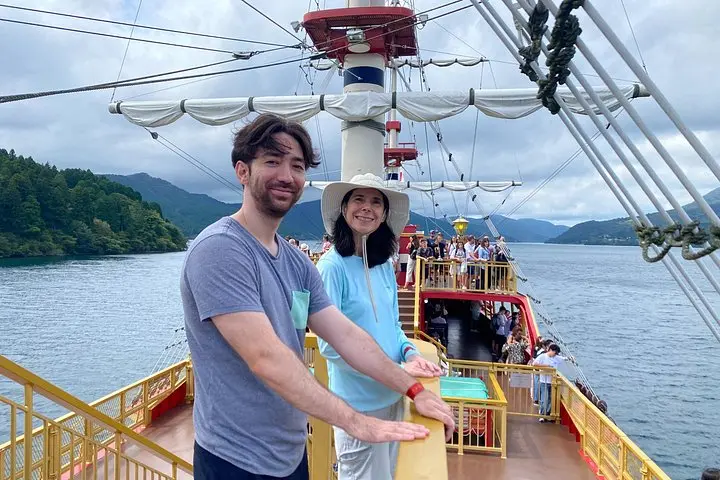
This private tour threads those scenes together with the ease of a practiced local. Starting at Gōra Station, an experienced multilingual guide shapes a flexible route: a dramatic Hakone Ropeway ascent to the “Great Boiling Valley,” a stroll past the red torii of Hakone Shrine, and a leisurely glide across Lake Ashi on the distinctive pirate ship — VIP cabin an option for quieter views. Along the way the guide points out hidden photo spots, explains volcanic geology, and recommends lunch at a neighborhood soba shop where steam and soy meet mountain air.
Hakone’s landscape is forged by the caldera of an ancient volcano; sulfur-rich vents at Owakudani are reminders that the region is geologically active. Centuries of pilgrims and travelers have passed through here: Hakone was once a key checkpoint on the Tōkaidō road, and shrines like Hakone Jinja have anchored local belief and identity for generations. Today the mix of imperial-era parks, modern museums, and steaming fumaroles makes Hakone feel both cultivated and elemental.
Practically speaking, expect 4–6 hours on the move with gentle walking, some stairs at shrines, and short transfers by cable car and boat. Weather affects the itinerary — the ropeway can be suspended in high winds and Owakudani may close for volcanic gas, so confirm plans the morning of departure. Public transport access is straightforward: meet at Gōra Station via the Hakone Tozan Railway; many travelers pair this tour with a Hakone Free Pass to simplify transfers.
Pack a lightweight layer and comfortable walking shoes; even mid-summer mornings on the ropeway can be crisp. Bring yen for small vendors and the famous sulfur-boiled “black eggs” at Owakudani (when available). If your priority is photography, time the cruise for mid-morning or late afternoon light when Mt. Fuji is most likely to reveal itself. Above all, treat trails and shrines with respect: stay on marked paths, follow your guide’s safety advice around fumaroles, and leave no trace so Hakone’s fragile volcanic landscapes remain intact for the next traveler.
The meeting point is at the ticket gate of Gōra Station; the guide will hold a sign with the service name and can assist with public-transport directions.
No — the ropeway may be suspended during high winds or poor visibility; the guide will suggest alternatives such as additional shrine time or museum visits.
Yes on clear days Mt. Fuji is visible from the ropeway and Lake Ashi; visibility depends on weather and season, so mornings often offer the best chance.
The tour includes guiding and itinerary planning; specific admission fees (museums, some attractions) and food are usually not included unless stated in the booking details.
Yes — the itinerary is rated easy with modest walking; notify the operator of mobility concerns so the guide can adapt the pace and route.
Guides will re-route the itinerary to other viewpoints, gardens, or cultural sites and will explain the volcanic safety reasons behind closures.
YURAGI operates guided outdoor trips and adventures with an emphasis on safety, stewardship, and memorable experiences.
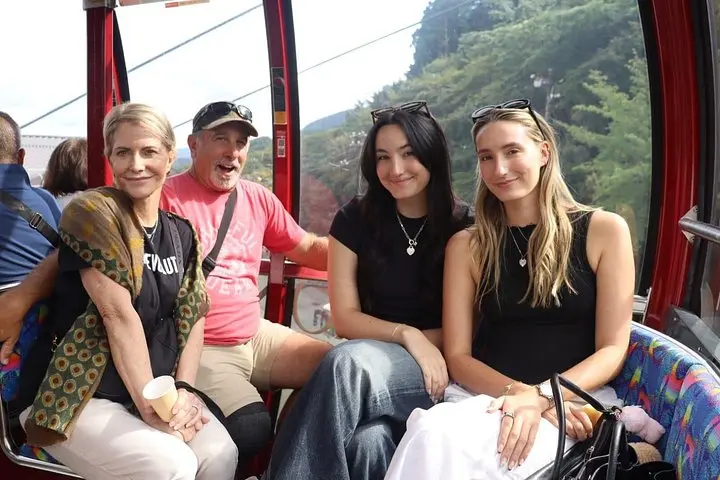

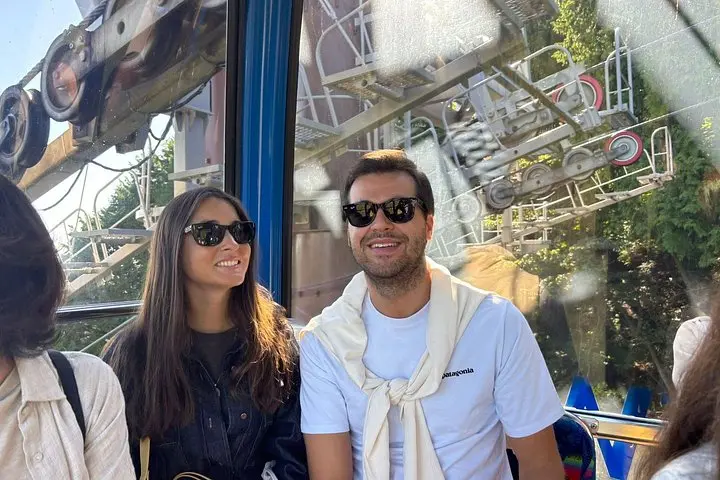
The ropeway climbs like a quiet promise, a line of small cabins lifting travelers above charred fumaroles and cedar-draped slopes. From the gondola window the valley opens — curled steam vents at Owakudani hiss like a living thing, Lake Ashi stretches like a dark mirror, and on clear days Mt. Fuji sits beyond it all, a calm, perfect cone.
The ropeway climbs like a quiet promise, a line of small cabins lifting travelers above charred fumaroles and cedar-draped slopes. From the gondola window the valley opens — curled steam vents at Owakudani hiss like a living thing, Lake Ashi stretches like a dark mirror, and on clear days Mt. Fuji sits beyond it all, a calm, perfect cone.
This private tour threads those scenes together with the ease of a practiced local. Starting at Gōra Station, an experienced multilingual guide shapes a flexible route: a dramatic Hakone Ropeway ascent to the “Great Boiling Valley,” a stroll past the red torii of Hakone Shrine, and a leisurely glide across Lake Ashi on the distinctive pirate ship — VIP cabin an option for quieter views. Along the way the guide points out hidden photo spots, explains volcanic geology, and recommends lunch at a neighborhood soba shop where steam and soy meet mountain air.
Hakone’s landscape is forged by the caldera of an ancient volcano; sulfur-rich vents at Owakudani are reminders that the region is geologically active. Centuries of pilgrims and travelers have passed through here: Hakone was once a key checkpoint on the Tōkaidō road, and shrines like Hakone Jinja have anchored local belief and identity for generations. Today the mix of imperial-era parks, modern museums, and steaming fumaroles makes Hakone feel both cultivated and elemental.
Practically speaking, expect 4–6 hours on the move with gentle walking, some stairs at shrines, and short transfers by cable car and boat. Weather affects the itinerary — the ropeway can be suspended in high winds and Owakudani may close for volcanic gas, so confirm plans the morning of departure. Public transport access is straightforward: meet at Gōra Station via the Hakone Tozan Railway; many travelers pair this tour with a Hakone Free Pass to simplify transfers.
Pack a lightweight layer and comfortable walking shoes; even mid-summer mornings on the ropeway can be crisp. Bring yen for small vendors and the famous sulfur-boiled “black eggs” at Owakudani (when available). If your priority is photography, time the cruise for mid-morning or late afternoon light when Mt. Fuji is most likely to reveal itself. Above all, treat trails and shrines with respect: stay on marked paths, follow your guide’s safety advice around fumaroles, and leave no trace so Hakone’s fragile volcanic landscapes remain intact for the next traveler.