THE ADVENTURE COLLECTIVE® · Independent discovery and booking for outdoor travel

Spend a carefully paced day exploring Hakone’s volcanic valleys, lake viewpoints, and craft-food stops with a local guide. This private car tour covers 5–6 highlights—Lake Ashi, Owakudani, Hakone Shrine, and more—while tailoring the route to weather and your interests.
Spend a carefully paced day exploring Hakone’s volcanic valleys, lake viewpoints, and craft-food stops with a local guide. This private car tour covers 5–6 highlights—Lake Ashi, Owakudani, Hakone Shrine, and more—while tailoring the route to weather and your interests.
You step out into a cool morning and your guide is waiting at the hotel lobby with a compact car that promises seven hours of curated travel. The road climbs and the valley opens: Lake Ashi stitches a cold silver across the basin, a vermillion torii floats at its edge, and distant, cloud-punctured Mount Fuji looms like a quiet judge. The tour moves at your pace—photo stops, short walks, and even a detour to a craft brewery if you want it—so the rhythm feels less like a schedule and more like a day designed around the scene.
Verified experiences and guided adventures in the surrounding area.
Operated by Sunny tours Japan · Hakone, Kanagawa
You step out into a cool morning and your guide is waiting at the hotel lobby with a compact car that promises seven hours of curated travel. The road climbs and the valley opens: Lake Ashi stitches a cold silver across the basin, a vermillion torii floats at its edge, and distant, cloud-punctured Mount Fuji looms like a quiet judge. The tour moves at your pace—photo stops, short walks, and even a detour to a craft brewery if you want it—so the rhythm feels less like a schedule and more like a day designed around the scene.
Hakone’s landscape is equal parts volcanic action and Edo-period passage. Owakudani’s steaming fumaroles reveal a geologic story of magma, sulfur, and hot springs—geothermal forces that have shaped local industry and cuisine (the black eggs are more than a novelty; they’re a local fable). On the cultural side, the Hakone Checkpoint along the old Tōkaidō reminds visitors that this corridor once regulated travelers and goods between Kyoto and Edo. Today, wooden Yosegi marquetry workshops carry forward artisanal skills that tied the region’s forests to its economy.
Your private guide becomes the day’s translator and tactician: they’ll read the weather for Fuji sightings, steer you to quieter viewpoints like Ōkanzan Observatory for 360-degree vistas, and advise whether the ropeway is open above Owakudani (it can close in heavy wind or gas emissions). The itinerary usually hits 5–6 locations—Hakone Shrine, a lakeside cruise, Owakudani, the old cedar avenue, and a history-rich checkpoint—while leaving room for a brewery stop or winery tasting if that’s your preference.
Practical details you should know: the tour runs about seven hours, includes hotel pickup and drop-off, and provides an air-conditioned vehicle with onboard Wi‑Fi. Ropeway, boat, and some attraction fees are typically extra—carry cash or a charged IC card. Owakudani smells strongly of sulfur; people with respiratory sensitivities should plan accordingly. Footwear should be sturdy enough for brief walks—many sites have stairs or uneven paths. Japan generally frowns on tipping; show appreciation by thanking your guide and following local onsen etiquette if you visit a hot spring.
Timing matters: clear mornings offer the best chance to see Mount Fuji reflected on Lake Ashi; late afternoons deliver dramatic light for the observatory. Book with flexibility if you want specific seasonal features—cherry blossoms in spring, pampas grass in fall, and snow-capped peaks in winter change how the valley reads. For travelers who want a full, efficient Hakone day without juggling trains or buses, a private car tour is the most straightforward way to both cover ground and soak in the details.
The private tour runs about seven hours (420 minutes) including hotel pickup and drop-off; exact timing is confirmed at booking.
Mount Fuji is visible on clear days—your guide will choose vantage points to maximize the chance, but visibility depends on weather and seasonal haze.
No; sightseeing boat and Hakone Ropeway fees are typically extra. Your guide can advise and buy tickets for you during the day.
Yes—this private tour is designed to be flexible; your guide will create a plan based on weather, season and your interests at the briefing.
Pickup is available from many hotels and select stations; confirm your exact pickup point when booking—drivers usually wait at the hotel front desk.
Yes—infants and small children can ride in a stroller and infant seats are available; note that some sites have stairs or uneven surfaces.
Sunny tours Japan operates guided outdoor trips and adventures with an emphasis on safety, stewardship, and memorable experiences.


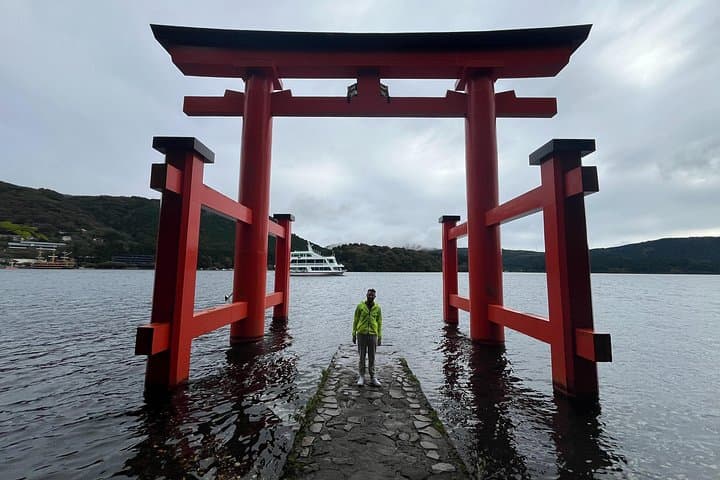
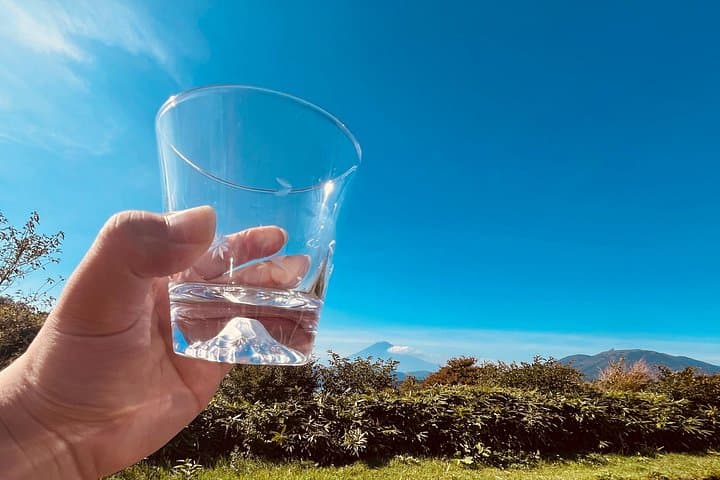
You step out into a cool morning and your guide is waiting at the hotel lobby with a compact car that promises seven hours of curated travel. The road climbs and the valley opens: Lake Ashi stitches a cold silver across the basin, a vermillion torii floats at its edge, and distant, cloud-punctured Mount Fuji looms like a quiet judge. The tour moves at your pace—photo stops, short walks, and even a detour to a craft brewery if you want it—so the rhythm feels less like a schedule and more like a day designed around the scene.
You step out into a cool morning and your guide is waiting at the hotel lobby with a compact car that promises seven hours of curated travel. The road climbs and the valley opens: Lake Ashi stitches a cold silver across the basin, a vermillion torii floats at its edge, and distant, cloud-punctured Mount Fuji looms like a quiet judge. The tour moves at your pace—photo stops, short walks, and even a detour to a craft brewery if you want it—so the rhythm feels less like a schedule and more like a day designed around the scene.
Hakone’s landscape is equal parts volcanic action and Edo-period passage. Owakudani’s steaming fumaroles reveal a geologic story of magma, sulfur, and hot springs—geothermal forces that have shaped local industry and cuisine (the black eggs are more than a novelty; they’re a local fable). On the cultural side, the Hakone Checkpoint along the old Tōkaidō reminds visitors that this corridor once regulated travelers and goods between Kyoto and Edo. Today, wooden Yosegi marquetry workshops carry forward artisanal skills that tied the region’s forests to its economy.
Your private guide becomes the day’s translator and tactician: they’ll read the weather for Fuji sightings, steer you to quieter viewpoints like Ōkanzan Observatory for 360-degree vistas, and advise whether the ropeway is open above Owakudani (it can close in heavy wind or gas emissions). The itinerary usually hits 5–6 locations—Hakone Shrine, a lakeside cruise, Owakudani, the old cedar avenue, and a history-rich checkpoint—while leaving room for a brewery stop or winery tasting if that’s your preference.
Practical details you should know: the tour runs about seven hours, includes hotel pickup and drop-off, and provides an air-conditioned vehicle with onboard Wi‑Fi. Ropeway, boat, and some attraction fees are typically extra—carry cash or a charged IC card. Owakudani smells strongly of sulfur; people with respiratory sensitivities should plan accordingly. Footwear should be sturdy enough for brief walks—many sites have stairs or uneven paths. Japan generally frowns on tipping; show appreciation by thanking your guide and following local onsen etiquette if you visit a hot spring.
Timing matters: clear mornings offer the best chance to see Mount Fuji reflected on Lake Ashi; late afternoons deliver dramatic light for the observatory. Book with flexibility if you want specific seasonal features—cherry blossoms in spring, pampas grass in fall, and snow-capped peaks in winter change how the valley reads. For travelers who want a full, efficient Hakone day without juggling trains or buses, a private car tour is the most straightforward way to both cover ground and soak in the details.