THE ADVENTURE COLLECTIVE® · Independent discovery and booking for outdoor travel

Ride a classic mountain railway, climb by cable car, pass volcanic vents, and glide across Lake Ashi by boat—this full-day loop from Odawara to Hakone condenses Japan’s geology, history, and lakeside calm into one transport-rich adventure.
Ride a classic mountain railway, climb by cable car, pass volcanic vents, and glide across Lake Ashi by boat—this full-day loop from Odawara to Hakone condenses Japan’s geology, history, and lakeside calm into one transport-rich adventure.
The day opens at Odawara Station under a low coastal sky, a bustle of commuters and luggage carts that quickly thins as you step onto the bus bound for the mountains. Within an hour the town gives way to the Hakone Tozan Railway, a narrow-gauge line that keeps one foot in the town’s old Tokaido road history and the other in a rapidly greener world. The train climbs in hairpin turns, the forest pressing close, until you trade iron rails for cable car cables and then for the high ropeway that scans volcanic ridgelines. Steam puffs from Owakudani's vents like a live map of geologic activity; the black eggs sold there are more than a snack, they are a handheld encounter with the earth’s heat.
Verified experiences and guided adventures in the surrounding area.
Operated by DeepExperience · Hakone, Kanagawa
The day opens at Odawara Station under a low coastal sky, a bustle of commuters and luggage carts that quickly thins as you step onto the bus bound for the mountains. Within an hour the town gives way to the Hakone Tozan Railway, a narrow-gauge line that keeps one foot in the town’s old Tokaido road history and the other in a rapidly greener world. The train climbs in hairpin turns, the forest pressing close, until you trade iron rails for cable car cables and then for the high ropeway that scans volcanic ridgelines. Steam puffs from Owakudani's vents like a live map of geologic activity; the black eggs sold there are more than a snack, they are a handheld encounter with the earth’s heat.
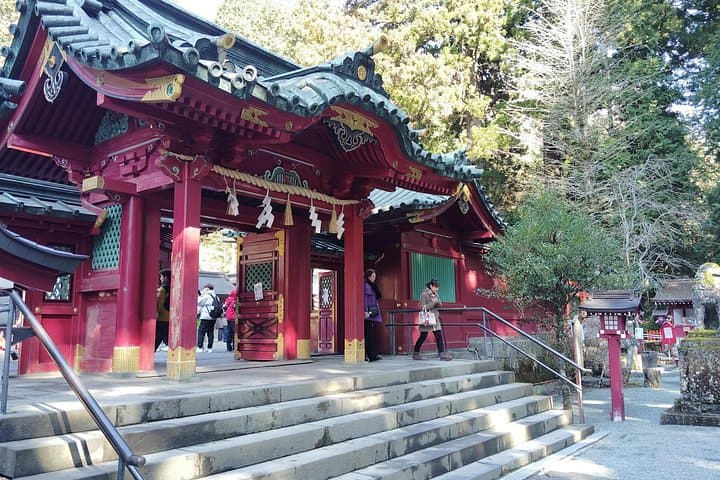
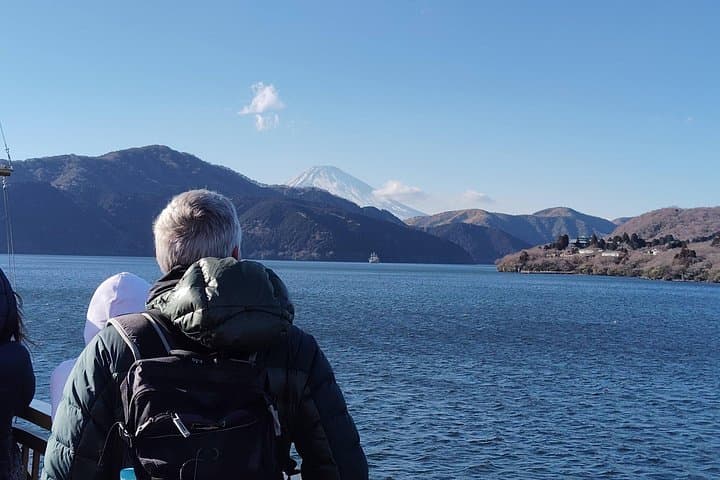
By midday you glide down to Lake Ashi, the lake cutting a dark mirror into the caldera. A sightseeing boat cuts across it, carving a straight white wake that points, on clear days, toward a stoic Mount Fuji. The route is sensory rather than purely physical: the shriek of the train’s brakes, the quiet of the ropeway at altitude, the slap of water on hull as the boat turns toward the torii gate of a lakeside shrine.
This corridor—Odawara through Hakone-Yumoto, up to Owakudani and back down to Togendai—sits on the Pacific Ring of Fire and has been a strategic pass since Edo-period travelers moved between Kyoto and Edo. Geology here is young and active; Owakudani’s sulfur vents and pumice-strewn slopes are reminders that the landscape is still cooking. Culturally, Hakone formed around hot springs and checkpoints, and visitors today will find onsen inns and Edo-era relics scattered between modern cable stations.
Practical guidance: the full loop involves roughly 7–8 hours of combined travel and stops, with an altitude swing of approximately 800–1,000 meters from sea-level coastal Odawara to the high ridge near Owakudani. Expect several short walks—cobbled streets in Yumoto, stairs at ropeway stations, flat lakeside promenades. Comfortable shoes, layered clothing, and a reusable water bottle make the day significantly easier. Weather can change fast at higher elevations; clear winter mornings reward you with Fuji sightings, while summer brings humidity and lush green slopes. If you want an easier day, choose a guided small-group tour that handles connections; otherwise, the Hakone Free Pass is useful for independent travelers.
Timing tips: arrive early to beat crowds at Owakudani and secure a boat seat at Togendai. Respect fenced areas around fumaroles; volcanic gas can be hazardous for people with respiratory issues. Above all, let each mode of transport set the pace—the mountain will keep its own rhythm and reward patience with layered views and small cultural encounters from shrine gates to steamed eggs.
The guided itinerary runs about 7–8 hours, including rail, cable car, ropeway, boat, and timed stops at major viewpoints.
Generally admission is not included for independent attractions; the tour covers transport and guiding but check specifics when booking.
Yes—clear, cold mornings, especially in late autumn and winter, offer the best chance of unobstructed views of Mount Fuji from the lake and ropeway.
Yes; the tour is rated easy to moderate with only short walks, but volcanic fumes at Owakudani can affect sensitive individuals—consult your guide.
Meals are usually not included; there are restaurants at Togendai and Hakone-Yumoto for lunch and onsen cuisine afterward.
The meeting point is in front of Odawara Station Tourist Information Center; the tour concludes at Hakone-Yumoto Station for easy onward travel.
DeepExperience operates guided outdoor trips and adventures with an emphasis on safety, stewardship, and memorable experiences.
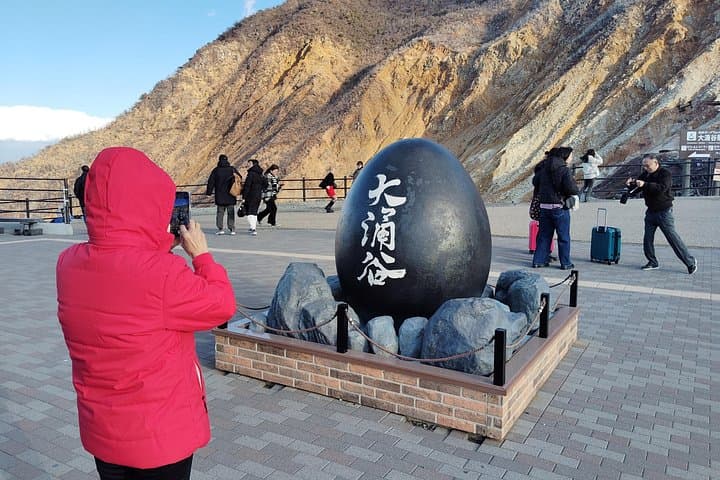
The day opens at Odawara Station under a low coastal sky, a bustle of commuters and luggage carts that quickly thins as you step onto the bus bound for the mountains. Within an hour the town gives way to the Hakone Tozan Railway, a narrow-gauge line that keeps one foot in the town’s old Tokaido road history and the other in a rapidly greener world. The train climbs in hairpin turns, the forest pressing close, until you trade iron rails for cable car cables and then for the high ropeway that scans volcanic ridgelines. Steam puffs from Owakudani's vents like a live map of geologic activity; the black eggs sold there are more than a snack, they are a handheld encounter with the earth’s heat.
The day opens at Odawara Station under a low coastal sky, a bustle of commuters and luggage carts that quickly thins as you step onto the bus bound for the mountains. Within an hour the town gives way to the Hakone Tozan Railway, a narrow-gauge line that keeps one foot in the town’s old Tokaido road history and the other in a rapidly greener world. The train climbs in hairpin turns, the forest pressing close, until you trade iron rails for cable car cables and then for the high ropeway that scans volcanic ridgelines. Steam puffs from Owakudani's vents like a live map of geologic activity; the black eggs sold there are more than a snack, they are a handheld encounter with the earth’s heat.
By midday you glide down to Lake Ashi, the lake cutting a dark mirror into the caldera. A sightseeing boat cuts across it, carving a straight white wake that points, on clear days, toward a stoic Mount Fuji. The route is sensory rather than purely physical: the shriek of the train’s brakes, the quiet of the ropeway at altitude, the slap of water on hull as the boat turns toward the torii gate of a lakeside shrine.
This corridor—Odawara through Hakone-Yumoto, up to Owakudani and back down to Togendai—sits on the Pacific Ring of Fire and has been a strategic pass since Edo-period travelers moved between Kyoto and Edo. Geology here is young and active; Owakudani’s sulfur vents and pumice-strewn slopes are reminders that the landscape is still cooking. Culturally, Hakone formed around hot springs and checkpoints, and visitors today will find onsen inns and Edo-era relics scattered between modern cable stations.
Practical guidance: the full loop involves roughly 7–8 hours of combined travel and stops, with an altitude swing of approximately 800–1,000 meters from sea-level coastal Odawara to the high ridge near Owakudani. Expect several short walks—cobbled streets in Yumoto, stairs at ropeway stations, flat lakeside promenades. Comfortable shoes, layered clothing, and a reusable water bottle make the day significantly easier. Weather can change fast at higher elevations; clear winter mornings reward you with Fuji sightings, while summer brings humidity and lush green slopes. If you want an easier day, choose a guided small-group tour that handles connections; otherwise, the Hakone Free Pass is useful for independent travelers.
Timing tips: arrive early to beat crowds at Owakudani and secure a boat seat at Togendai. Respect fenced areas around fumaroles; volcanic gas can be hazardous for people with respiratory issues. Above all, let each mode of transport set the pace—the mountain will keep its own rhythm and reward patience with layered views and small cultural encounters from shrine gates to steamed eggs.