THE ADVENTURE COLLECTIVE® · Independent discovery and booking for outdoor travel

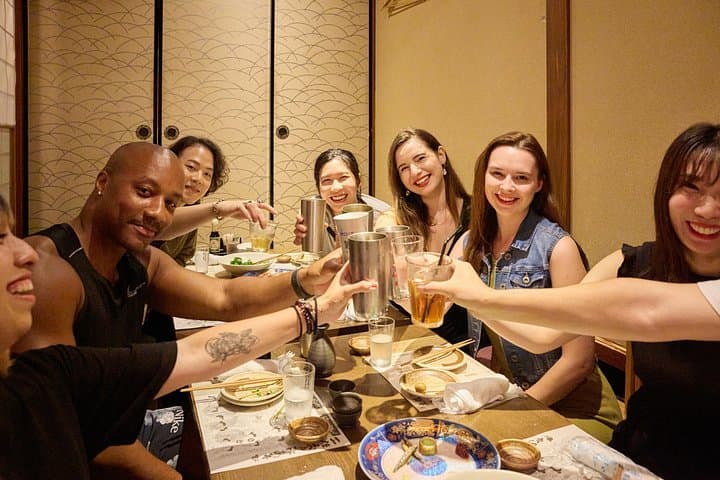
Spend an evening soaking in an outdoor onsen beneath the Hakuba peaks, then toast the night at a nearby izakaya. This guided outing combines a traditional hot-spring soak with regional food and easy transport.
Spend an evening soaking in an outdoor onsen beneath the Hakuba peaks, then toast the night at a nearby izakaya. This guided outing combines a traditional hot-spring soak with regional food and easy transport.
Evening light softens the ridgelines of the Hakuba Range as travelers arrive at a modest onsen tucked at the tree line. Steam rises from the outdoor bath and the mountains watch in silence; the water warms the skin while the cold alpine air pricks at the cheeks, creating a sharp, cleansing contrast that defines the experience.
Verified experiences and guided adventures in the surrounding area.
Operated by Meet Tokyo · Hakuba, Nagano
Evening light softens the ridgelines of the Hakuba Range as travelers arrive at a modest onsen tucked at the tree line. Steam rises from the outdoor bath and the mountains watch in silence; the water warms the skin while the cold alpine air pricks at the cheeks, creating a sharp, cleansing contrast that defines the experience.
This part of Nagano sits on complex volcanic geology—hot springs here follow tectonic fractures that channel deep, mineral-rich water to the surface. The onsen tradition in Japan blends centuries of local bathing culture with practical community hygiene; pairing it with an izakaya meal continues a long regional habit of social dining after labor or travel. Visitors can expect an approachable, routined etiquette: wash before entering, keep towels out of shared water, and respect quiet conversation.
Practicalities matter: the tour runs about 4–5 hours, includes hot spring admission and a Japanese-style izakaya dinner, and uses air-conditioned transport between points. Guests should be able to walk short steps and handle modest temperature changes between indoor and outdoor spaces. Pregnant travelers or those with significant heart conditions are advised not to take hot baths.
Timing your visit for late afternoon lets you catch the changing light, then move indoors for a multi-course izakaya meal with regional sake and small plates. Bring a lightweight jacket for the post-bath chill, cash or IC card for incidental purchases, and a respectful attitude toward local customs—the reward is a clear-headed evening warmed by water, food, and mountain presence.
Traditional Japanese onsens are typically nude for communal baths; bathing suits are generally not allowed—small towels are used for modesty outside the water.
Some facilities provide rental towels; check the tour details, but bringing your own small towel is recommended.
Yes — the tour lists air-conditioned vehicle transport between the onsen and izakaya as included in the itinerary.
Policies vary by onsen; children are often welcome but may need to follow specific rules and the tour specifies infants must sit on laps.
Meet Tokyo operates guided outdoor trips and adventures with an emphasis on safety, stewardship, and memorable experiences.



Evening light softens the ridgelines of the Hakuba Range as travelers arrive at a modest onsen tucked at the tree line. Steam rises from the outdoor bath and the mountains watch in silence; the water warms the skin while the cold alpine air pricks at the cheeks, creating a sharp, cleansing contrast that defines the experience.
Evening light softens the ridgelines of the Hakuba Range as travelers arrive at a modest onsen tucked at the tree line. Steam rises from the outdoor bath and the mountains watch in silence; the water warms the skin while the cold alpine air pricks at the cheeks, creating a sharp, cleansing contrast that defines the experience.
This part of Nagano sits on complex volcanic geology—hot springs here follow tectonic fractures that channel deep, mineral-rich water to the surface. The onsen tradition in Japan blends centuries of local bathing culture with practical community hygiene; pairing it with an izakaya meal continues a long regional habit of social dining after labor or travel. Visitors can expect an approachable, routined etiquette: wash before entering, keep towels out of shared water, and respect quiet conversation.
Practicalities matter: the tour runs about 4–5 hours, includes hot spring admission and a Japanese-style izakaya dinner, and uses air-conditioned transport between points. Guests should be able to walk short steps and handle modest temperature changes between indoor and outdoor spaces. Pregnant travelers or those with significant heart conditions are advised not to take hot baths.
Timing your visit for late afternoon lets you catch the changing light, then move indoors for a multi-course izakaya meal with regional sake and small plates. Bring a lightweight jacket for the post-bath chill, cash or IC card for incidental purchases, and a respectful attitude toward local customs—the reward is a clear-headed evening warmed by water, food, and mountain presence.