THE ADVENTURE COLLECTIVE® · Independent discovery and booking for outdoor travel

Launch off ridge platforms, fly above eucalyptus and canyons, and cross six ziplines on the slopes of Haleakala. This 2-hour upcountry Maui tour pairs accessible thrills with sweeping volcanic views and practical safety measures.
Launch off ridge platforms, fly above eucalyptus and canyons, and cross six ziplines on the slopes of Haleakala. This 2-hour upcountry Maui tour pairs accessible thrills with sweeping volcanic views and practical safety measures.
You clip in, feel the harness cinch, and the world narrows to a single cable that hums ahead. The first push sends you off the platform and the island unfolds: eucalyptus heads nod, gulches gape, and the slopes of Haleakala—ancient lava made patient by wind and rain—slide beneath your feet. For the next 90–120 minutes you’ll move between vaulted canopies and canyon mouths on six lines that cross 90-foot drops, carry you over seasonal ponds, and thread through tall forest where the air smells faintly of citrus and resin.
Verified experiences and guided adventures in the surrounding area.
Operated by Skyline Hawaii - Haleakala · Kula, Hawaii
You clip in, feel the harness cinch, and the world narrows to a single cable that hums ahead. The first push sends you off the platform and the island unfolds: eucalyptus heads nod, gulches gape, and the slopes of Haleakala—ancient lava made patient by wind and rain—slide beneath your feet. For the next 90–120 minutes you’ll move between vaulted canopies and canyon mouths on six lines that cross 90-foot drops, carry you over seasonal ponds, and thread through tall forest where the air smells faintly of citrus and resin.
Haleakala isn’t just a mountain; it’s the island’s backbone. Geologically, the volcano’s broad shield was shaped by successive lava flows and later carved by erosion into steep gulches; the zipline course uses those natural ridgelines to create dramatic, airborne sightlines. Culturally, Upcountry Maui—Kula and Makawao—has a mixed history of native Hawaiian lore, missionary-era ranching, and plantation agriculture; you’ll see fenced pastures and ironwood windbreaks that tell that quieter story beneath the adrenaline.
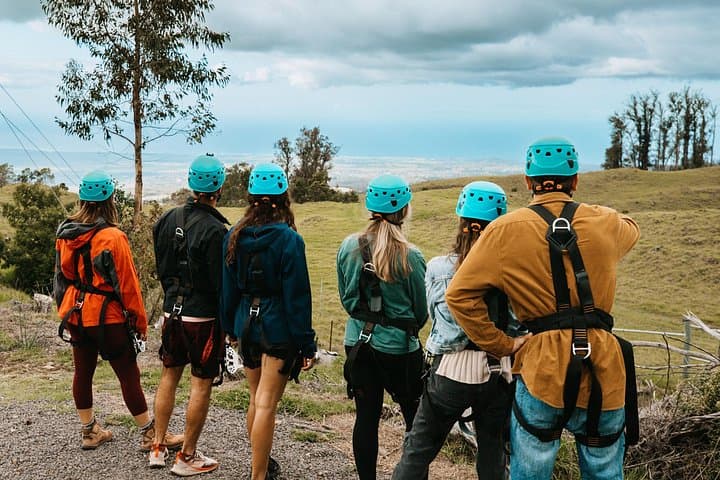
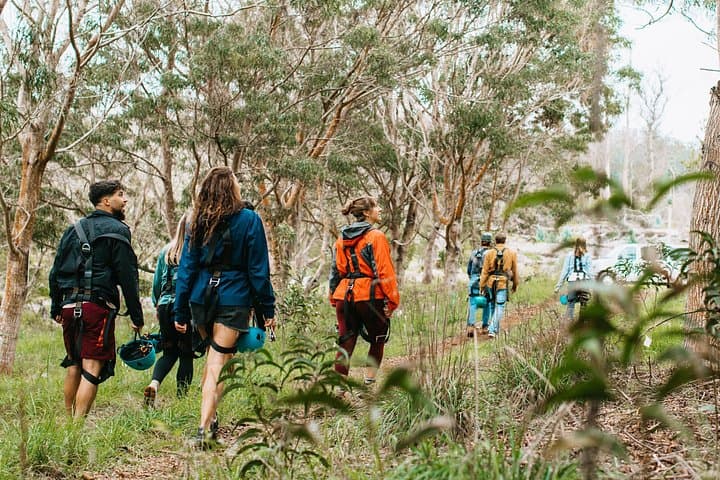
The route balances thrill with accessibility: wooden-plank suspension bridges and short uphill approaches connect platforms, and staff guide you through braking and leaning techniques so even first-timers feel steady. Expect terrain that ranges from packed dirt trails to the occasional rocky step; participants must be able to hike roughly 1/2 mile over uneven ground. Guides often pause on platforms to point out native plants and explain how the island’s rainfall patterns carve the valleys below.
Plan for sun and wind. Check-in is 30 minutes before your scheduled tour time; temperatures in the Upcountry are cooler than the beaches, and a wind that tugs at your harness can turn a warm morning into a brisk one. The operation enforces weight (60–260 lbs) and age (8+) limits for safety, and guests who have recently scuba dived should wait 24 hours.
Practical tips: wear snug, closed-toe shoes and sun-blocking layers, bring reef-safe sunscreen, and carry a small water bottle. Morning slots offer calmer winds and softer light for photos; late afternoon tours trade warmth for a golden glow over the ridges. If you’re prone to vertigo, tell your guides—most lines are built to make riders feel controlled rather than exposed.
The Haleakala zipline is equal parts landscape lesson and pulse-quickener. You leave with a new perspective on how the island’s slopes were sculpted—and a memory of flying low enough to count stars of fern below and high enough to see the crater’s shadow push across the land.
The experience runs about 2 hours, which includes check-in, harnessing, safety briefings, and six zipline rides.
Yes—participants must weigh between 60 lbs (36 kg) and 260 lbs (118 kg) and be at least 8 years old; under-16s require an accompanying adult.
Closed-toe shoes, comfortable shorts or pants, and layers for wind are recommended; no open-toed sandals or loose clothing that can catch on gear.
Not recommended for those with spinal injuries, serious heart conditions, or pregnancy; consult the operator for specific medical questions.
Most operators provide secured mounts or allow tethered phones on select lines—check with staff and follow safety rules about holding devices.
You must wait at least 24 hours after scuba diving before participating due to pressure-related safety guidelines.
Skyline Hawaii - Haleakala operates guided outdoor trips and adventures with an emphasis on safety, stewardship, and memorable experiences.
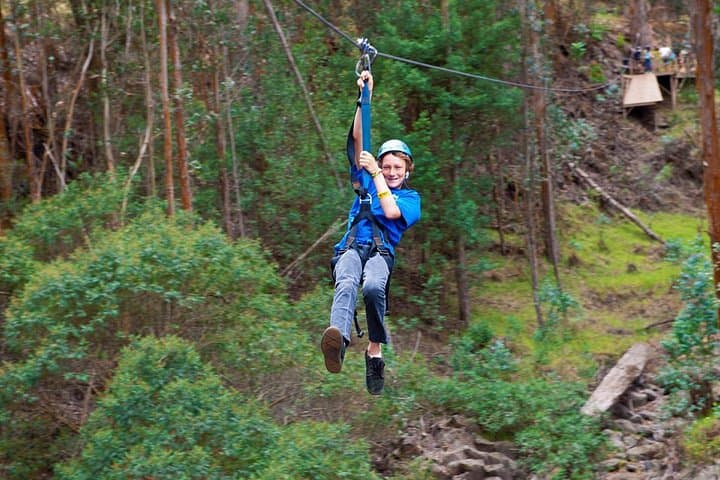
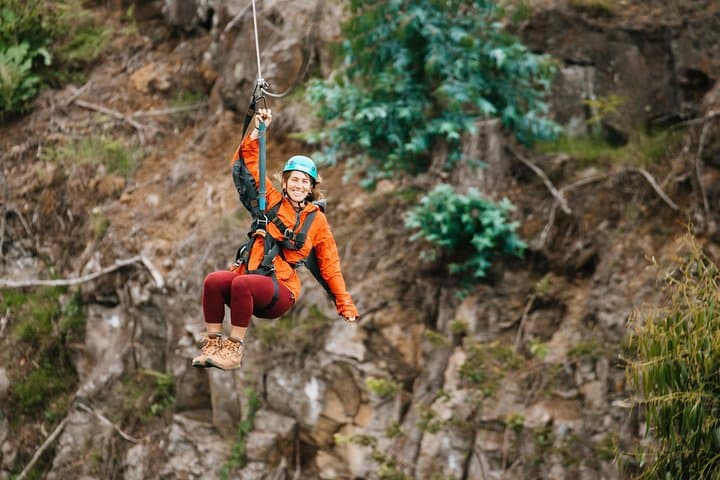
You clip in, feel the harness cinch, and the world narrows to a single cable that hums ahead. The first push sends you off the platform and the island unfolds: eucalyptus heads nod, gulches gape, and the slopes of Haleakala—ancient lava made patient by wind and rain—slide beneath your feet. For the next 90–120 minutes you’ll move between vaulted canopies and canyon mouths on six lines that cross 90-foot drops, carry you over seasonal ponds, and thread through tall forest where the air smells faintly of citrus and resin.
You clip in, feel the harness cinch, and the world narrows to a single cable that hums ahead. The first push sends you off the platform and the island unfolds: eucalyptus heads nod, gulches gape, and the slopes of Haleakala—ancient lava made patient by wind and rain—slide beneath your feet. For the next 90–120 minutes you’ll move between vaulted canopies and canyon mouths on six lines that cross 90-foot drops, carry you over seasonal ponds, and thread through tall forest where the air smells faintly of citrus and resin.
Haleakala isn’t just a mountain; it’s the island’s backbone. Geologically, the volcano’s broad shield was shaped by successive lava flows and later carved by erosion into steep gulches; the zipline course uses those natural ridgelines to create dramatic, airborne sightlines. Culturally, Upcountry Maui—Kula and Makawao—has a mixed history of native Hawaiian lore, missionary-era ranching, and plantation agriculture; you’ll see fenced pastures and ironwood windbreaks that tell that quieter story beneath the adrenaline.
The route balances thrill with accessibility: wooden-plank suspension bridges and short uphill approaches connect platforms, and staff guide you through braking and leaning techniques so even first-timers feel steady. Expect terrain that ranges from packed dirt trails to the occasional rocky step; participants must be able to hike roughly 1/2 mile over uneven ground. Guides often pause on platforms to point out native plants and explain how the island’s rainfall patterns carve the valleys below.
Plan for sun and wind. Check-in is 30 minutes before your scheduled tour time; temperatures in the Upcountry are cooler than the beaches, and a wind that tugs at your harness can turn a warm morning into a brisk one. The operation enforces weight (60–260 lbs) and age (8+) limits for safety, and guests who have recently scuba dived should wait 24 hours.
Practical tips: wear snug, closed-toe shoes and sun-blocking layers, bring reef-safe sunscreen, and carry a small water bottle. Morning slots offer calmer winds and softer light for photos; late afternoon tours trade warmth for a golden glow over the ridges. If you’re prone to vertigo, tell your guides—most lines are built to make riders feel controlled rather than exposed.
The Haleakala zipline is equal parts landscape lesson and pulse-quickener. You leave with a new perspective on how the island’s slopes were sculpted—and a memory of flying low enough to count stars of fern below and high enough to see the crater’s shadow push across the land.