THE ADVENTURE COLLECTIVE® · Independent discovery and booking for outdoor travel

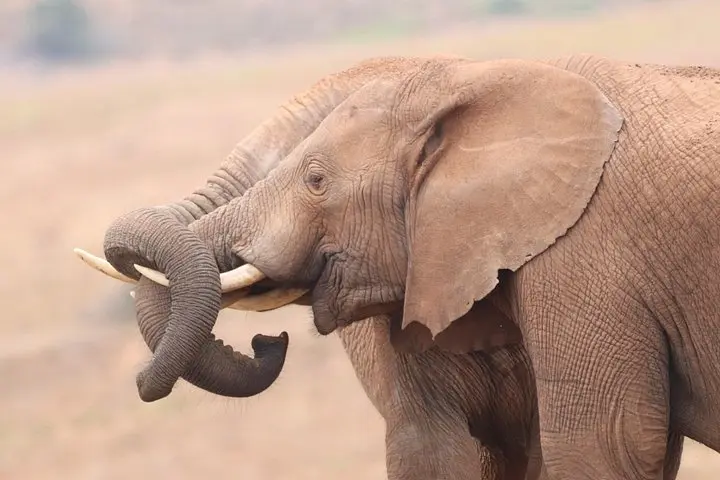
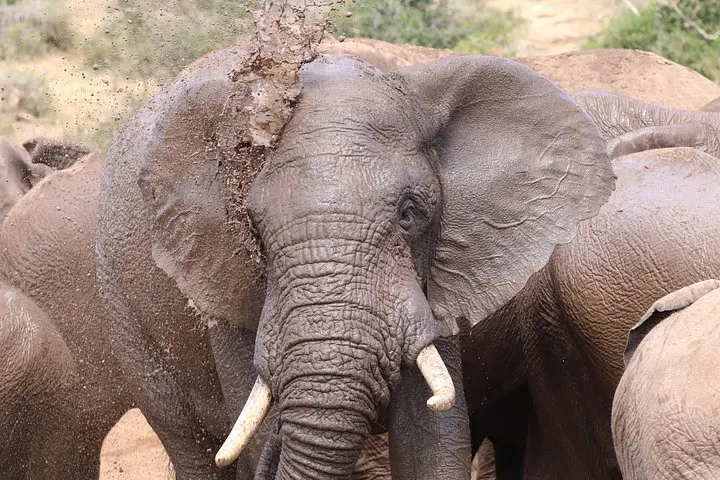
See large herds of African elephant on a focused half-day game drive from Port Elizabeth. This short safari pairs reliable wildlife viewing with local insight and a riverside lunch stop at Taste of Africa.
See large herds of African elephant on a focused half-day game drive from Port Elizabeth. This short safari pairs reliable wildlife viewing with local insight and a riverside lunch stop at Taste of Africa.
The low morning sun cuts across ochre plains as the safari vehicle crunches toward a distant silhouette of elephants—mothers nudging calves, tusks chalking the air like punctuation. The bush around Addo is not quiet; it breathes and watches, the scrub and riverbeds nudging you forward as much as the guide pointing out a grazing kudu or a distant buffalo herd.
Verified experiences and guided adventures in the surrounding area.
Operated by Zasendle Adventures · Addo, Eastern Cape
The low morning sun cuts across ochre plains as the safari vehicle crunches toward a distant silhouette of elephants—mothers nudging calves, tusks chalking the air like punctuation. The bush around Addo is not quiet; it breathes and watches, the scrub and riverbeds nudging you forward as much as the guide pointing out a grazing kudu or a distant buffalo herd.
Established in 1931 to protect dwindling elephant numbers, Addo Elephant National Park has grown into South Africa’s third-largest reserve, its landscape an evolving patchwork of coastal dunes, thornveld, and the Zuurberg foothills. Beneath the veld lies Karoo-era geology: shale and sandstone folded into low ridges that shape seasonal watercourses and the park’s plant communities. The human history here stretches from Khoisan use of river corridors to modern conservation efforts focused on restoring ecological balance.
On a half-day drive from Port Elizabeth (Gqeberha), expect a focused wildlife encounter: large herds of elephant are reliable, while sightings of lion, black rhino, and leopard are possible but not guaranteed. Local guides read spoor and use patience—wildlife appears when they choose.
Practical guidance: morning departures maximize animal activity and cooler temperatures; bring binoculars and a camera with a good zoom, and layer clothing for shifting coastal breezes. Park entrance and conservation fees are usually included; lunch stops such as Taste of Africa on the Sundays River offer a predictable break before returning to Port Elizabeth. Respect vehicle rules—stay seated, keep noise low, and let the landscape do the guiding.
The park entrance is roughly a 30–45 minute drive from central Port Elizabeth depending on traffic and exact pickup point.
Elephants are highly likely; lions, rhino, and leopard live in the park but sightings cannot be guaranteed on a half-day drive.
Yes—this half-day safari is rated easy and suitable for most ages, though mobility limits that prevent boarding a vehicle may be an issue.
Most tours include entrance and conservation fees; confirm at booking and carry some local currency for optional lunch purchases.
Zasendle Adventures operates guided outdoor trips and adventures with an emphasis on safety, stewardship, and memorable experiences.
The low morning sun cuts across ochre plains as the safari vehicle crunches toward a distant silhouette of elephants—mothers nudging calves, tusks chalking the air like punctuation. The bush around Addo is not quiet; it breathes and watches, the scrub and riverbeds nudging you forward as much as the guide pointing out a grazing kudu or a distant buffalo herd.
The low morning sun cuts across ochre plains as the safari vehicle crunches toward a distant silhouette of elephants—mothers nudging calves, tusks chalking the air like punctuation. The bush around Addo is not quiet; it breathes and watches, the scrub and riverbeds nudging you forward as much as the guide pointing out a grazing kudu or a distant buffalo herd.
Established in 1931 to protect dwindling elephant numbers, Addo Elephant National Park has grown into South Africa’s third-largest reserve, its landscape an evolving patchwork of coastal dunes, thornveld, and the Zuurberg foothills. Beneath the veld lies Karoo-era geology: shale and sandstone folded into low ridges that shape seasonal watercourses and the park’s plant communities. The human history here stretches from Khoisan use of river corridors to modern conservation efforts focused on restoring ecological balance.
On a half-day drive from Port Elizabeth (Gqeberha), expect a focused wildlife encounter: large herds of elephant are reliable, while sightings of lion, black rhino, and leopard are possible but not guaranteed. Local guides read spoor and use patience—wildlife appears when they choose.
Practical guidance: morning departures maximize animal activity and cooler temperatures; bring binoculars and a camera with a good zoom, and layer clothing for shifting coastal breezes. Park entrance and conservation fees are usually included; lunch stops such as Taste of Africa on the Sundays River offer a predictable break before returning to Port Elizabeth. Respect vehicle rules—stay seated, keep noise low, and let the landscape do the guiding.