THE ADVENTURE COLLECTIVE® · Independent discovery and booking for outdoor travel

Spend a half-day exploring Antelope Canyon’s narrow, light-filled corridors and the soaring rim of Horseshoe Bend. This guide explains what to expect, from logistics and geology to practical packing tips.
Spend a half-day exploring Antelope Canyon’s narrow, light-filled corridors and the soaring rim of Horseshoe Bend. This guide explains what to expect, from logistics and geology to practical packing tips.
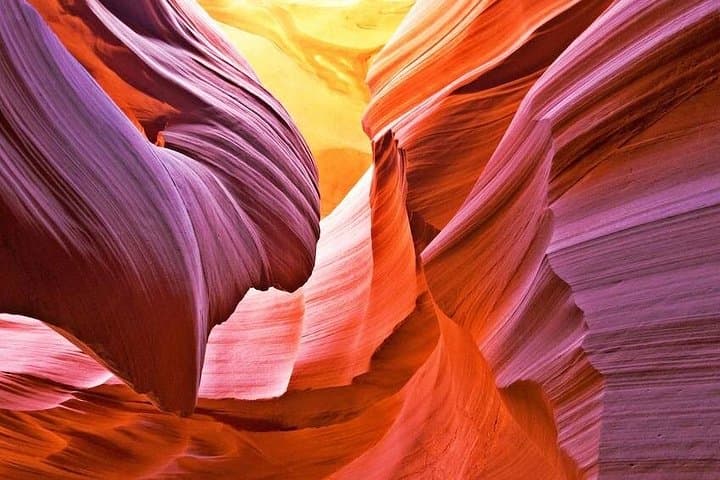
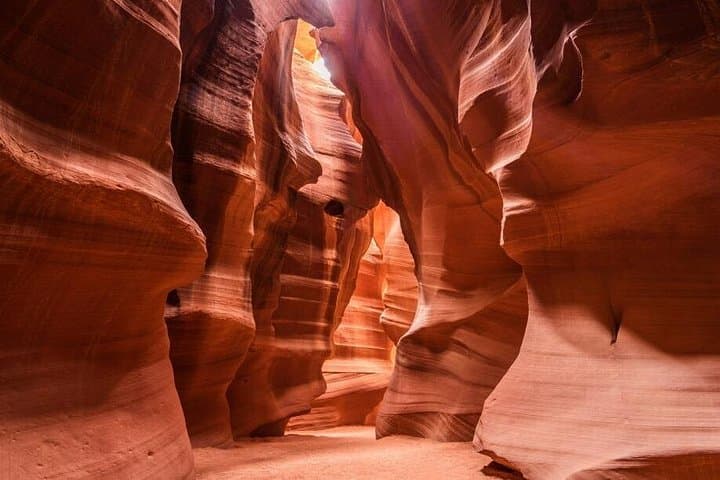
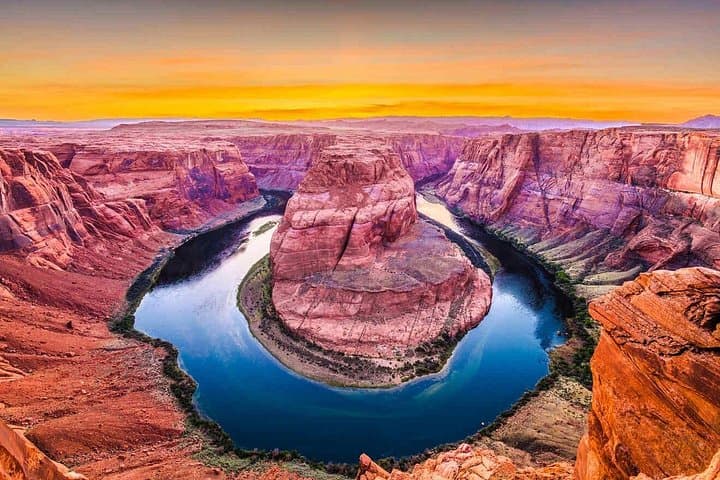
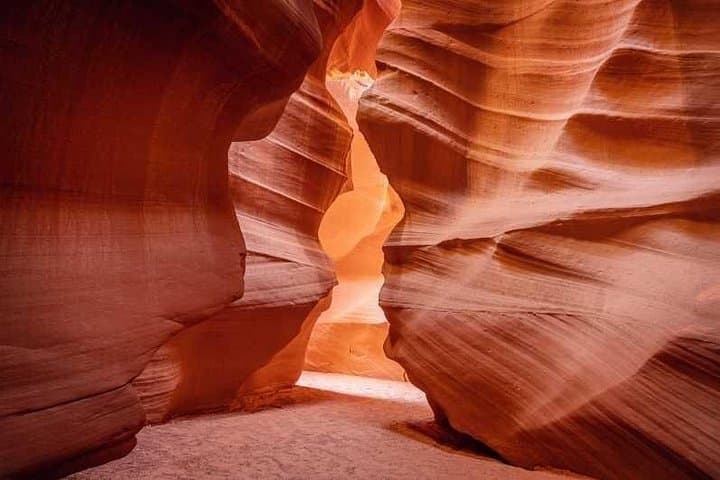
You step off the van and the desert air hits like a warm hand; the sandstone around Page hums with sun and wind. In a single half-day this shuttle tour moves you from the tight, sculpted corridors of Antelope Canyon to the vertigo-inducing rim of Horseshoe Bend, each site demanding a different kind of attention — one inward, one outward.
Verified experiences and guided adventures in the surrounding area.
Operated by Scenic Bend · Page, Arizona
You step off the van and the desert air hits like a warm hand; the sandstone around Page hums with sun and wind. In a single half-day this shuttle tour moves you from the tight, sculpted corridors of Antelope Canyon to the vertigo-inducing rim of Horseshoe Bend, each site demanding a different kind of attention — one inward, one outward.
Antelope Canyon is Navajo land, carved by flash floods over millennia into sinuous slot channels. Upper (ground-level entrance) favors dramatic light beams in summer; Lower requires short climbs and metal stairways installed for safer access. Glen Canyon Dam and Horseshoe Bend speak to the region’s interplay of human engineering and geologic force: the Colorado River still dares you to look down into its incised meander.
Culturally, visits are guided by Navajo guides who manage access and interpret place names; permits support reservation stewardship. Geologically, expect narrow passages, smooth cross-bedded sandstone, and color shifts as the sun moves.
Practical guidance: the tour lasts about 4–5 hours with hotel shuttle included; wear closed-toe shoes and layers for temperature swings. Carry sun protection and a small daypack; cameras are welcome but tripods and large gear may be restricted depending on the canyon chosen. Expect short walks on uneven rock and stairways at overlooks. Confirm pickup the day before, arrive early, and be prepared for tight spaces in the slot canyons. With a little planning, this compact, iconic outing rewards with unforgettable light and a palpable sense of landscape time.
Upper is easier (ground-level entry) and more likely to produce sunbeams in summer; Lower is narrower with stair sections and often better for photographers in early morning or late morning light.
Infants and small children can ride in strollers for parts of the tour, but expect stair sections and tight spaces in Lower Antelope that may require carrying children at times.
Full wheelchair access is limited—Upper Antelope has ground-level access but uneven surfaces; many parts of the experience involve steps and narrow passages, so accessibility is limited.
The tour includes an air-conditioned shuttle, bottled water, Navajo guide/permit fees, and Antelope Canyon admission (Upper or Lower) plus stops at Glen Canyon Dam overlook and Horseshoe Bend.
Scenic Bend operates guided outdoor trips and adventures with an emphasis on safety, stewardship, and memorable experiences.
You step off the van and the desert air hits like a warm hand; the sandstone around Page hums with sun and wind. In a single half-day this shuttle tour moves you from the tight, sculpted corridors of Antelope Canyon to the vertigo-inducing rim of Horseshoe Bend, each site demanding a different kind of attention — one inward, one outward.
You step off the van and the desert air hits like a warm hand; the sandstone around Page hums with sun and wind. In a single half-day this shuttle tour moves you from the tight, sculpted corridors of Antelope Canyon to the vertigo-inducing rim of Horseshoe Bend, each site demanding a different kind of attention — one inward, one outward.
Antelope Canyon is Navajo land, carved by flash floods over millennia into sinuous slot channels. Upper (ground-level entrance) favors dramatic light beams in summer; Lower requires short climbs and metal stairways installed for safer access. Glen Canyon Dam and Horseshoe Bend speak to the region’s interplay of human engineering and geologic force: the Colorado River still dares you to look down into its incised meander.
Culturally, visits are guided by Navajo guides who manage access and interpret place names; permits support reservation stewardship. Geologically, expect narrow passages, smooth cross-bedded sandstone, and color shifts as the sun moves.
Practical guidance: the tour lasts about 4–5 hours with hotel shuttle included; wear closed-toe shoes and layers for temperature swings. Carry sun protection and a small daypack; cameras are welcome but tripods and large gear may be restricted depending on the canyon chosen. Expect short walks on uneven rock and stairways at overlooks. Confirm pickup the day before, arrive early, and be prepared for tight spaces in the slot canyons. With a little planning, this compact, iconic outing rewards with unforgettable light and a palpable sense of landscape time.