THE ADVENTURE COLLECTIVE® · Independent discovery and booking for outdoor travel

Walk through South Africa’s recent past on a compact, five-hour tour that combines the Apartheid Museum with the living streets of Soweto. Expect focused exhibits, memorial gardens, Vilakazi Street stops and a practical, accessible itinerary.
Walk through South Africa’s recent past on a compact, five-hour tour that combines the Apartheid Museum with the living streets of Soweto. Expect focused exhibits, memorial gardens, Vilakazi Street stops and a practical, accessible itinerary.
You step from the car into a quiet plaza of concrete and copper, the Apartheid Museum’s panels folding stories into space. The air on this south Johannesburg afternoon carries voices—vendors on Vilakazi Street, a distant traffic hum, and the low murmur of visitors moving through exhibits that map decades of law, resistance and everyday life.
Verified experiences and guided adventures in the surrounding area.
Operated by Thabelo · Johannesburg, Gauteng
You step from the car into a quiet plaza of concrete and copper, the Apartheid Museum’s panels folding stories into space. The air on this south Johannesburg afternoon carries voices—vendors on Vilakazi Street, a distant traffic hum, and the low murmur of visitors moving through exhibits that map decades of law, resistance and everyday life.
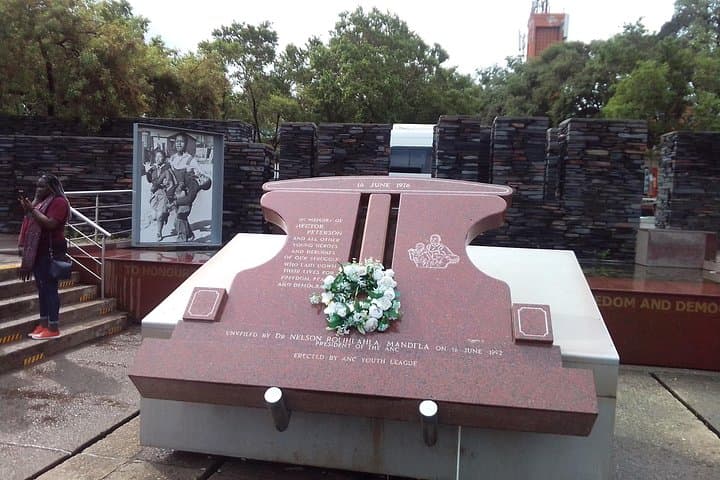
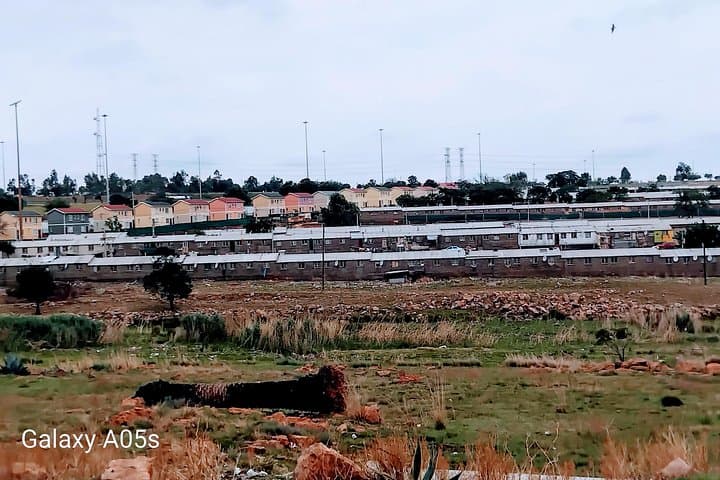
The route stitches two essential threads: the museum’s curated chronology of apartheid and Soweto’s living memory. Geology played a role here too—the Witwatersrand ridge and its gold brought rapid urban growth, shaping the settlements you’ll drive past: miners’ hostels, government housing, and the open roofs of informal dwellings. Cultural landmarks include Vilakazi Street (Mandela and Tutu houses) and the Hector Pieterson memorial, a quiet garden that marks the 1976 student uprising that changed South Africa.
Practical guidance sits alongside context. This half-day loop runs about five hours with short walks: expect mostly paved surfaces and several short, accessible exhibits and memorial gardens. The tour typically includes private transport, a professional driver-guide, entry fees, and water; it’s suitable for most fitness levels and wheelchair accessible. Bring ID for admissions, carry small bills for vendors, and plan morning slots to avoid peak heat and the busiest crowds.
Respectful behavior matters: photography is common, but be mindful in memorial spaces. The experience is less about sightseeing and more about listening—history laid out in concrete, mural and memory, with Soweto’s streets giving the past a present-day pulse.
Yes — transportation and museum access are described as wheelchair accessible; notify the operator in advance to confirm any specific assistance needs.
The tour description indicates entry fees to the Apartheid Museum and Hector Pieterson memorial are included in the booking inclusions.
Walking is limited and mostly on paved surfaces; expect short walks within the museum and brief walks at memorial gardens and Vilakazi Street.
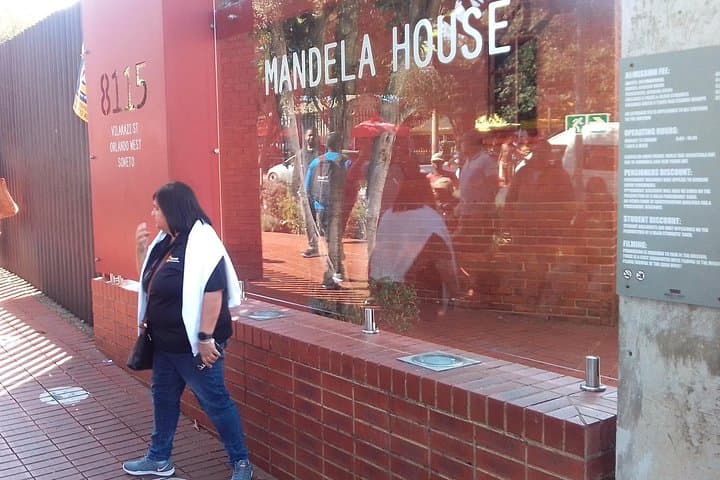
The itinerary commonly includes a stop on Vilakazi Street where the Mandela House is located; availability to enter may depend on opening hours and tour timing.
Thabelo operates guided outdoor trips and adventures with an emphasis on safety, stewardship, and memorable experiences.
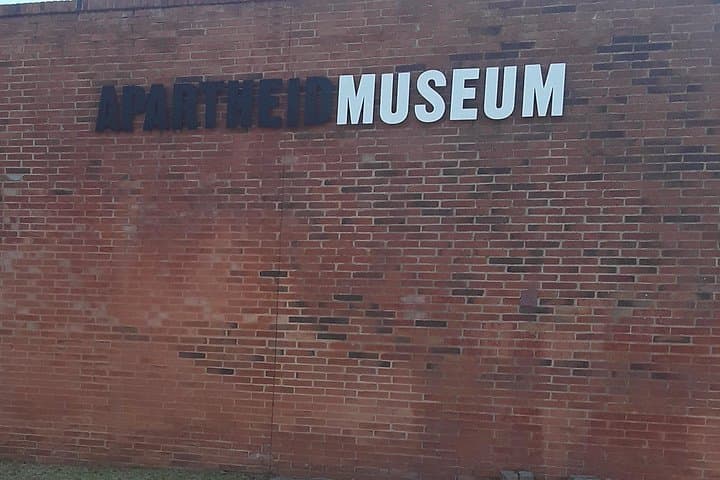
You step from the car into a quiet plaza of concrete and copper, the Apartheid Museum’s panels folding stories into space. The air on this south Johannesburg afternoon carries voices—vendors on Vilakazi Street, a distant traffic hum, and the low murmur of visitors moving through exhibits that map decades of law, resistance and everyday life.
You step from the car into a quiet plaza of concrete and copper, the Apartheid Museum’s panels folding stories into space. The air on this south Johannesburg afternoon carries voices—vendors on Vilakazi Street, a distant traffic hum, and the low murmur of visitors moving through exhibits that map decades of law, resistance and everyday life.
The route stitches two essential threads: the museum’s curated chronology of apartheid and Soweto’s living memory. Geology played a role here too—the Witwatersrand ridge and its gold brought rapid urban growth, shaping the settlements you’ll drive past: miners’ hostels, government housing, and the open roofs of informal dwellings. Cultural landmarks include Vilakazi Street (Mandela and Tutu houses) and the Hector Pieterson memorial, a quiet garden that marks the 1976 student uprising that changed South Africa.
Practical guidance sits alongside context. This half-day loop runs about five hours with short walks: expect mostly paved surfaces and several short, accessible exhibits and memorial gardens. The tour typically includes private transport, a professional driver-guide, entry fees, and water; it’s suitable for most fitness levels and wheelchair accessible. Bring ID for admissions, carry small bills for vendors, and plan morning slots to avoid peak heat and the busiest crowds.
Respectful behavior matters: photography is common, but be mindful in memorial spaces. The experience is less about sightseeing and more about listening—history laid out in concrete, mural and memory, with Soweto’s streets giving the past a present-day pulse.