THE ADVENTURE COLLECTIVE® · Independent discovery and booking for outdoor travel
Explore Melidoni Cave, watch traditional pottery in Margarites, and visit the historic Arkadi Monastery on a guided half-day from Rethymno. Expect short walks, uneven steps, and iconic Cretan views—perfect for a compact cultural outing.
Explore Melidoni Cave, watch traditional pottery in Margarites, and visit the historic Arkadi Monastery on a guided half-day from Rethymno. Expect short walks, uneven steps, and iconic Cretan views—perfect for a compact cultural outing.
You step off the minibus into a scrub-scented wind and the monastery courtyard opens like a stone book—sun-bright flags snapping above carved sandstone. The guide gestures toward the cloister where voices of the past linger; beyond, terraced hills roll toward the valley of Melidoni, and the dam’s concrete arc punctuates the skyline.
Verified experiences and guided adventures in the surrounding area.
Operated by PLATANOS TOURS · Rethymno, Crete
You step off the minibus into a scrub-scented wind and the monastery courtyard opens like a stone book—sun-bright flags snapping above carved sandstone. The guide gestures toward the cloister where voices of the past linger; beyond, terraced hills roll toward the valley of Melidoni, and the dam’s concrete arc punctuates the skyline.
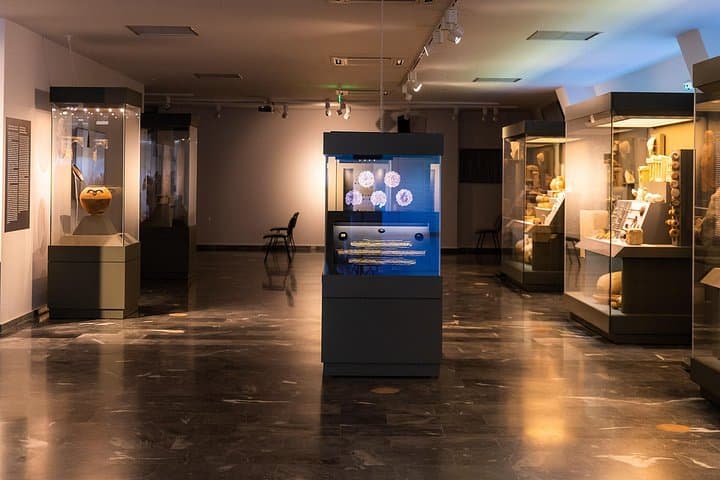
This half-day loop from Rethymno stitches geology, craft and history into a compact route. Melidoni Cave is limestone carved by slow water; tight passages and high caverns tell of subterranean plumbing that still directs streams below. Margarites village keeps a living craft culture—potters shape red clay on kick-wheels much as their grandparents did. Arkadi Monastery, rebuilt after Ottoman-era strife, is central to Crete’s 19th-century resistance and offers sober frescoes and a sympathetic museum.
Local rhythms matter: a coffee stop in a kafeneio, a potter’s hands dusted with clay, a short walk to a dam overlook for broad, wind-pushed views. Nature here behaves with intent—the wind on the plateau pushes you toward the next vista, and sunlight makes the limestone glow.
Practical guidance: wear sturdy walking shoes and bring a refillable water bottle; the tour includes coach transfers and short on-foot visits but expect uneven steps in the cave and at the monastery. Bring cash for small-entry fees, souvenirs or a taverna lunch. Morning departures avoid midday heat in summer; aim for layers and sun protection year-round. With minimal exertion required, this is a concise, sensory introduction to northeastern Crete.
Admission is usually not included—there may be a small local fee for Melidoni Cave and Arkadi Monastery; bring cash.
Walking between short exhibits and viewpoints involves brief strolls and stair sections; overall exertion is low.
Yes—pickups and drop-offs are typically provided from Rethymno and nearby towns listed by the operator.
There are scheduled coffee or lunch breaks on-site at Arkadi and in villages; meals are at your own expense.
PLATANOS TOURS operates guided outdoor trips and adventures with an emphasis on safety, stewardship, and memorable experiences.
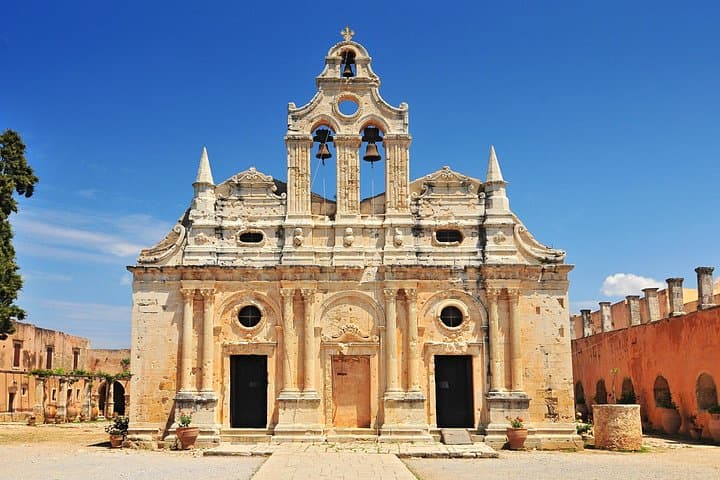
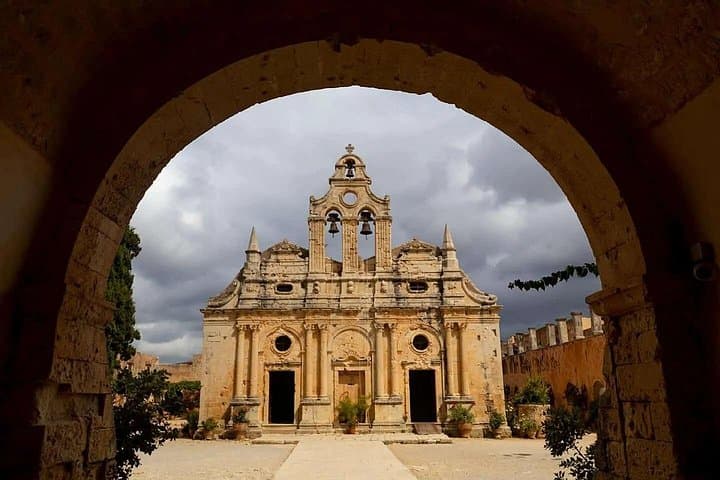
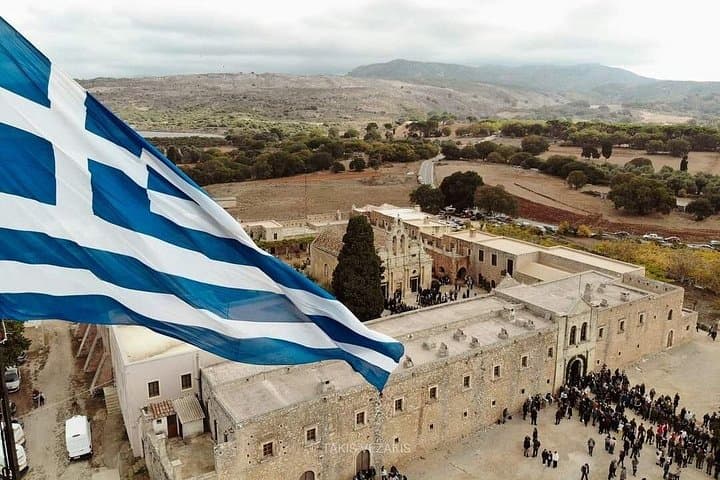
You step off the minibus into a scrub-scented wind and the monastery courtyard opens like a stone book—sun-bright flags snapping above carved sandstone. The guide gestures toward the cloister where voices of the past linger; beyond, terraced hills roll toward the valley of Melidoni, and the dam’s concrete arc punctuates the skyline.
You step off the minibus into a scrub-scented wind and the monastery courtyard opens like a stone book—sun-bright flags snapping above carved sandstone. The guide gestures toward the cloister where voices of the past linger; beyond, terraced hills roll toward the valley of Melidoni, and the dam’s concrete arc punctuates the skyline.
This half-day loop from Rethymno stitches geology, craft and history into a compact route. Melidoni Cave is limestone carved by slow water; tight passages and high caverns tell of subterranean plumbing that still directs streams below. Margarites village keeps a living craft culture—potters shape red clay on kick-wheels much as their grandparents did. Arkadi Monastery, rebuilt after Ottoman-era strife, is central to Crete’s 19th-century resistance and offers sober frescoes and a sympathetic museum.
Local rhythms matter: a coffee stop in a kafeneio, a potter’s hands dusted with clay, a short walk to a dam overlook for broad, wind-pushed views. Nature here behaves with intent—the wind on the plateau pushes you toward the next vista, and sunlight makes the limestone glow.
Practical guidance: wear sturdy walking shoes and bring a refillable water bottle; the tour includes coach transfers and short on-foot visits but expect uneven steps in the cave and at the monastery. Bring cash for small-entry fees, souvenirs or a taverna lunch. Morning departures avoid midday heat in summer; aim for layers and sun protection year-round. With minimal exertion required, this is a concise, sensory introduction to northeastern Crete.
