THE ADVENTURE COLLECTIVE® · Independent discovery and booking for outdoor travel

Spend a half-day from Aswan moving between Kitchener’s Island botanical gardens and a nearby Nubian village along the Nile. Expect shaded garden paths, colorful village life, henna workshops and short, flat walks suitable for most travelers.
Spend a half-day from Aswan moving between Kitchener’s Island botanical gardens and a nearby Nubian village along the Nile. Expect shaded garden paths, colorful village life, henna workshops and short, flat walks suitable for most travelers.
Morning light slides over the Nile and Aswan’s riverbanks, and a small motorboat threads between palm-fringed islands. The water dares you to slow down as you approach Kitchener’s Island, a planted refuge of exotic and native trees where shaded paths make the heat manageable. Later the guide steers you toward a Nubian village, where color, henna and the rhythm of daily life unfold along the river.
Verified experiences and guided adventures in the surrounding area.
Operated by Tips for traveler · Aswan, Aswan Governorate
Morning light slides over the Nile and Aswan’s riverbanks, and a small motorboat threads between palm-fringed islands. The water dares you to slow down as you approach Kitchener’s Island, a planted refuge of exotic and native trees where shaded paths make the heat manageable. Later the guide steers you toward a Nubian village, where color, henna and the rhythm of daily life unfold along the river.
Aswan sits on the southern edge of Pharaonic Egypt and acted as the ancient quarry and trade gateway to Nubia. Kitchener’s Island (Jebel al-Nabatat) is a 19th-century botanical project created under British rule and today preserves dozens of tree species on former floodplain soils. The Nubian villages on the Nile banks retain a distinct language, crafts and social rhythms—look for henna artists, small schools teaching Nubian script and family-run crocodile breeding enclosures historically tied to local tradition.
Expect low-impact walking on compacted garden paths and flat village lanes; the whole half-day loop runs about five hours including transfers. Bring sun protection and a light layer for river breezes, and plan for cash purchases and quick photo stops. Guides typically include pickup and air-conditioned transport, but wear comfortable shoes for short, uneven stretches.
Practical notes: start early to avoid midday heat, be respectful when photographing people (ask first), and carry water and small bills for souvenirs. This is an easy, culturally rich outing that blends horticulture, history and a lived-in Nile culture into a single short excursion.
Guided visits and transport are included on most half-day tours, but any formal garden entry fees or private experiences in the village may be extra—confirm with your operator.
Yes—small vendors, henna artists and school donations typically take cash; carry small Egyptian pound notes for purchases and tips.
Tours are described as stroller-accessible with light walking; some island paths and village lanes are uneven—a compact stroller is recommended.
Summers are very hot (often above 40°C/104°F); early mornings in spring, fall or winter are the most pleasant times for this half-day outing.
Tips for traveler operates guided outdoor trips and adventures with an emphasis on safety, stewardship, and memorable experiences.

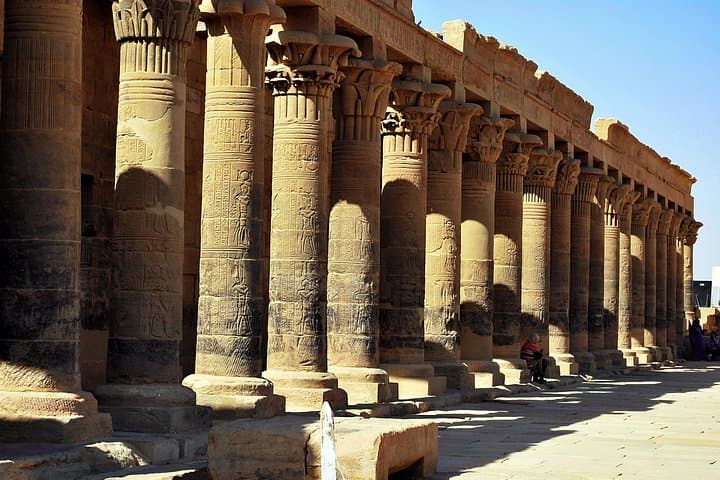
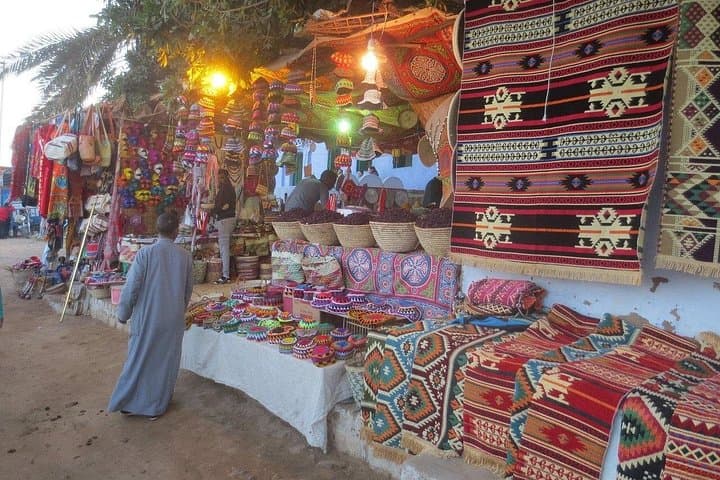
Morning light slides over the Nile and Aswan’s riverbanks, and a small motorboat threads between palm-fringed islands. The water dares you to slow down as you approach Kitchener’s Island, a planted refuge of exotic and native trees where shaded paths make the heat manageable. Later the guide steers you toward a Nubian village, where color, henna and the rhythm of daily life unfold along the river.
Morning light slides over the Nile and Aswan’s riverbanks, and a small motorboat threads between palm-fringed islands. The water dares you to slow down as you approach Kitchener’s Island, a planted refuge of exotic and native trees where shaded paths make the heat manageable. Later the guide steers you toward a Nubian village, where color, henna and the rhythm of daily life unfold along the river.
Aswan sits on the southern edge of Pharaonic Egypt and acted as the ancient quarry and trade gateway to Nubia. Kitchener’s Island (Jebel al-Nabatat) is a 19th-century botanical project created under British rule and today preserves dozens of tree species on former floodplain soils. The Nubian villages on the Nile banks retain a distinct language, crafts and social rhythms—look for henna artists, small schools teaching Nubian script and family-run crocodile breeding enclosures historically tied to local tradition.
Expect low-impact walking on compacted garden paths and flat village lanes; the whole half-day loop runs about five hours including transfers. Bring sun protection and a light layer for river breezes, and plan for cash purchases and quick photo stops. Guides typically include pickup and air-conditioned transport, but wear comfortable shoes for short, uneven stretches.
Practical notes: start early to avoid midday heat, be respectful when photographing people (ask first), and carry water and small bills for souvenirs. This is an easy, culturally rich outing that blends horticulture, history and a lived-in Nile culture into a single short excursion.