THE ADVENTURE COLLECTIVE® · Independent discovery and booking for outdoor travel

Spend a focused morning visiting Tegenungan waterfall, the archaeological carvings of Goa Gajah, and scenic Ubud rice terraces. This half-day tour packs cultural landmarks and natural highlights into one accessible loop for travelers short on time.
Spend a focused morning visiting Tegenungan waterfall, the archaeological carvings of Goa Gajah, and scenic Ubud rice terraces. This half-day tour packs cultural landmarks and natural highlights into one accessible loop for travelers short on time.
You start the morning in a cool minivan, road noise falling away as Bali’s countryside slides into view: a ribbon of rice paddies, a roadside temple, then the sudden drop into the green bowl where Tegenungan waterfall hurls itself into mist.
Verified experiences and guided adventures in the surrounding area.
Operated by Ubud baliday tour · Ubud, Bali
You start the morning in a cool minivan, road noise falling away as Bali’s countryside slides into view: a ribbon of rice paddies, a roadside temple, then the sudden drop into the green bowl where Tegenungan waterfall hurls itself into mist.
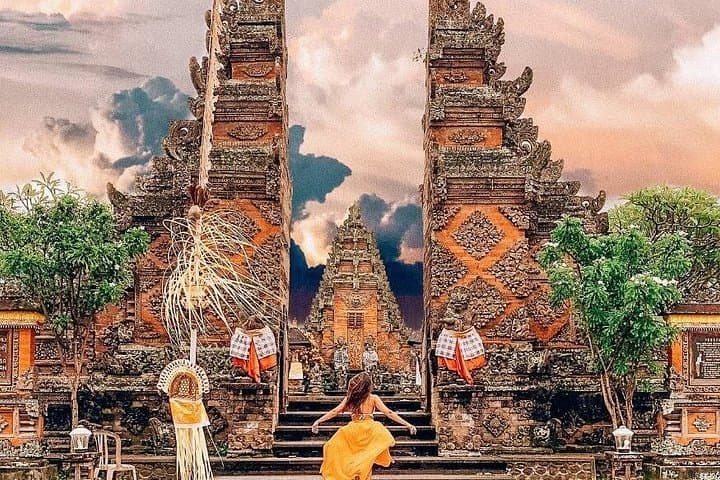
The route stitches together three different faces of central Bali—geology carved by volcanic soils and river erosion, Hindu-Buddhist history visible in carved stone at Goa Gajah (the Elephant Cave, dated to around the 9th century), and the engineered slopes of Ubud’s rice terraces shaped by subak irrigation traditions. Villagers still dry rice in small compounds and temple bells mark the day’s rhythms.
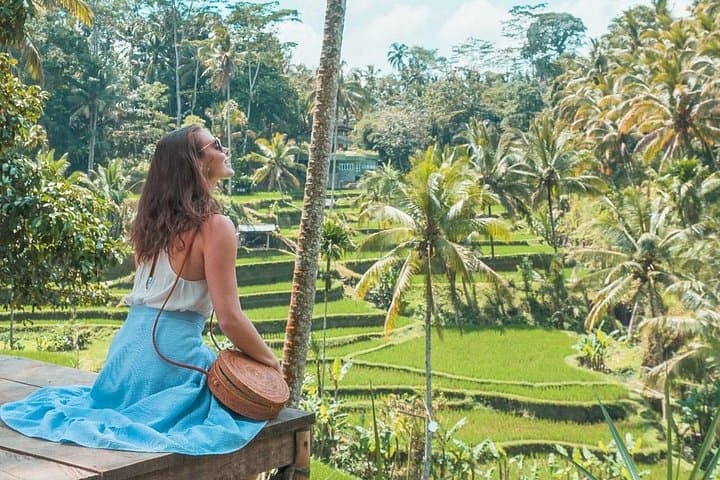
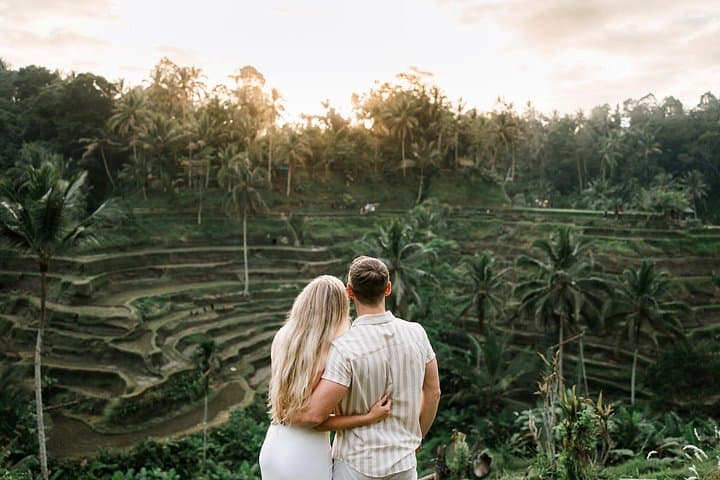
Tegenungan’s basalt cliffs and constant spray give a sensory wake-up call; Goa Gajah presents carved reliefs and a small sacred pool; the rice terraces are wider views and a quieter pace—good spots for a midday meal with a view. Expect short walks and steps at each stop rather than long hikes; elevation in central Ubud ranges roughly 200–600 m, with shady sections and exposed viewpoints.
Practical guidance: the half-day runs about 4–5 hours, usually starting around 08:00 and returning by 14:00–15:00 depending on traffic. Wear sturdy, water-resistant shoes for uneven paths, bring sunscreen and a hat for terrace viewpoints, and carry small change for local entrance fees and vendors. Respect temple dress codes—sarong or modest covering is required—and plan for occasional rain during the monsoon months. This tour is compact but gives a clear, tangible introduction to Bali’s culture and landscape for visitors short on time.
A sarong or modest covering is required at Goa Gajah; many tours provide one or you can bring your own to be respectful.
Yes—the tour is rated easy, but participants should be able to manage stairs and short uneven sections; notify operator of mobility needs.
Driving segments are short—usually 20–45 minutes—though traffic around Ubud and Seminyak can extend travel time on busy days.
Entrance fees are typically included per the itinerary and a bottle of water is provided; plan to pay for lunch unless specified otherwise in your booking.
Ubud baliday tour operates guided outdoor trips and adventures with an emphasis on safety, stewardship, and memorable experiences.
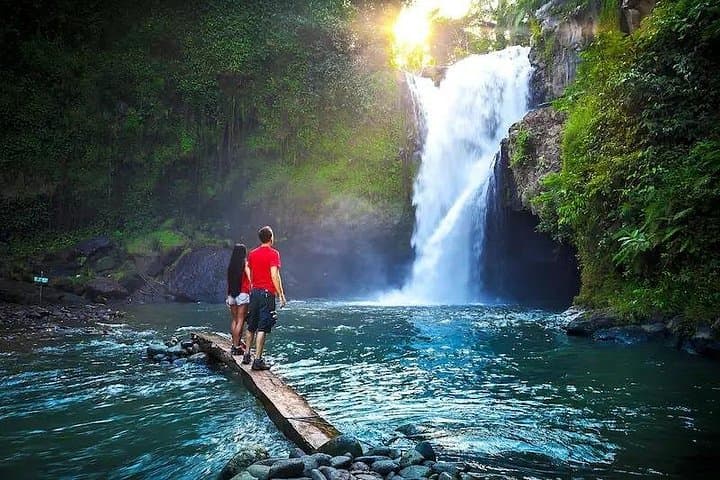
You start the morning in a cool minivan, road noise falling away as Bali’s countryside slides into view: a ribbon of rice paddies, a roadside temple, then the sudden drop into the green bowl where Tegenungan waterfall hurls itself into mist.
You start the morning in a cool minivan, road noise falling away as Bali’s countryside slides into view: a ribbon of rice paddies, a roadside temple, then the sudden drop into the green bowl where Tegenungan waterfall hurls itself into mist.
The route stitches together three different faces of central Bali—geology carved by volcanic soils and river erosion, Hindu-Buddhist history visible in carved stone at Goa Gajah (the Elephant Cave, dated to around the 9th century), and the engineered slopes of Ubud’s rice terraces shaped by subak irrigation traditions. Villagers still dry rice in small compounds and temple bells mark the day’s rhythms.
Tegenungan’s basalt cliffs and constant spray give a sensory wake-up call; Goa Gajah presents carved reliefs and a small sacred pool; the rice terraces are wider views and a quieter pace—good spots for a midday meal with a view. Expect short walks and steps at each stop rather than long hikes; elevation in central Ubud ranges roughly 200–600 m, with shady sections and exposed viewpoints.
Practical guidance: the half-day runs about 4–5 hours, usually starting around 08:00 and returning by 14:00–15:00 depending on traffic. Wear sturdy, water-resistant shoes for uneven paths, bring sunscreen and a hat for terrace viewpoints, and carry small change for local entrance fees and vendors. Respect temple dress codes—sarong or modest covering is required—and plan for occasional rain during the monsoon months. This tour is compact but gives a clear, tangible introduction to Bali’s culture and landscape for visitors short on time.