THE ADVENTURE COLLECTIVE® · Independent discovery and booking for outdoor travel

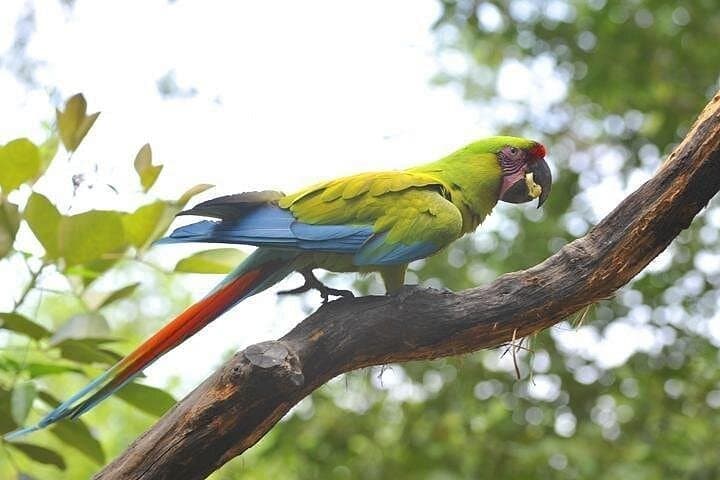
Trade Guayaquil’s bustle for a morning among the Tumbesian dry forest at Cerro Blanco. This half-day birding tour covers marked trails and a ridge viewpoint where endemic and threatened coastal species are most active.
Trade Guayaquil’s bustle for a morning among the Tumbesian dry forest at Cerro Blanco. This half-day birding tour covers marked trails and a ridge viewpoint where endemic and threatened coastal species are most active.
Morning lifts like a slow breath over the slopes of Cerro Blanco, where a humid veil and the cry of distant birds mark the start of a half-day that trades city noise for layered forest sound.
Verified experiences and guided adventures in the surrounding area.
Operated by Perfect Destiny · Guayaquil, Guayas
Morning lifts like a slow breath over the slopes of Cerro Blanco, where a humid veil and the cry of distant birds mark the start of a half-day that trades city noise for layered forest sound.
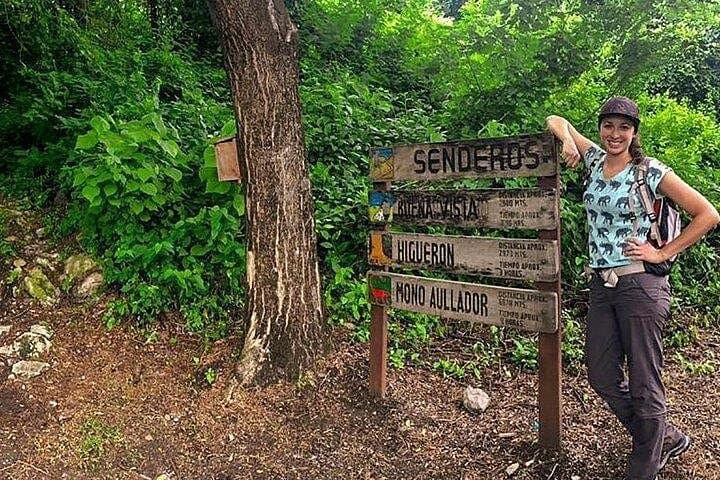
The protected forest, recognized by BirdLife International in 1998 as the first Important Bird Area on Ecuador’s coast, is a prime remnant of Tumbesian dry forest. Trails extend roughly 6.5 km with marked routes that climb toward a ridge viewpoint. Geologically the area is low coastal hills—erosion-shaped slopes and outcrops that catch early fog—which creates microclimates where evergreen giants and dry-forest species mingle.
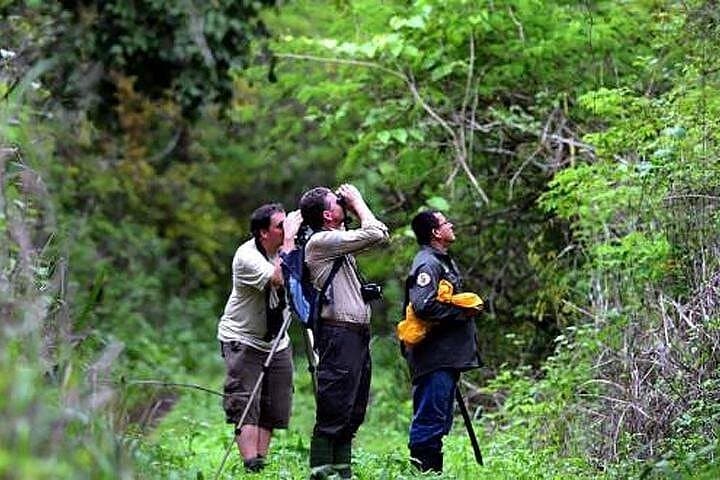
Culturally, Cerro Blanco sits near rural parishes outside Guayaquil; local guides often weave natural history with notes on traditional land use and restoration efforts. Expect to move slowly: quiet footfalls, trained eyes scanning canopy and understory, and the occasional call of an endemic species.
Practically, the tour is accessible to most walkers. Guides provide transportation and pick-up from hotels in Guayaquil; binoculars and a field guide transform sightings into IDs. Morning hours give the best light and the most activity, but fog can cool temps and sharpen song detection. Trails vary from packed dirt to rooty singletrack—good traction and layers make the day comfortable.
This half-day balances high bird-diversity viewing with manageable walking, ideal for travelers who want concentrated wildlife time without a full-day commitment.
Most tours include hotel pick-up in Guayaquil and transport to the forest; independent travelers can reach nearby access points by car in about 30–60 minutes depending on traffic.
Yes—routes are marked and the pace is relaxed; guides cater to novice birders and families.
Facilities are limited; most tours use small park or trailhead restrooms—bring hand sanitizer and plan accordingly.
Perfect Destiny operates guided outdoor trips and adventures with an emphasis on safety, stewardship, and memorable experiences.
Morning lifts like a slow breath over the slopes of Cerro Blanco, where a humid veil and the cry of distant birds mark the start of a half-day that trades city noise for layered forest sound.
Morning lifts like a slow breath over the slopes of Cerro Blanco, where a humid veil and the cry of distant birds mark the start of a half-day that trades city noise for layered forest sound.
The protected forest, recognized by BirdLife International in 1998 as the first Important Bird Area on Ecuador’s coast, is a prime remnant of Tumbesian dry forest. Trails extend roughly 6.5 km with marked routes that climb toward a ridge viewpoint. Geologically the area is low coastal hills—erosion-shaped slopes and outcrops that catch early fog—which creates microclimates where evergreen giants and dry-forest species mingle.
Culturally, Cerro Blanco sits near rural parishes outside Guayaquil; local guides often weave natural history with notes on traditional land use and restoration efforts. Expect to move slowly: quiet footfalls, trained eyes scanning canopy and understory, and the occasional call of an endemic species.
Practically, the tour is accessible to most walkers. Guides provide transportation and pick-up from hotels in Guayaquil; binoculars and a field guide transform sightings into IDs. Morning hours give the best light and the most activity, but fog can cool temps and sharpen song detection. Trails vary from packed dirt to rooty singletrack—good traction and layers make the day comfortable.
This half-day balances high bird-diversity viewing with manageable walking, ideal for travelers who want concentrated wildlife time without a full-day commitment.