THE ADVENTURE COLLECTIVE® · Independent discovery and booking for outdoor travel

Walk shaded trails and rim cenotes along the Ruta de los Cenotes for concentrated birdwatching near Puerto Morelos. This half-day tour focuses on endemic Yucatán species and migrants, paired with local geology and cultural insights.
Walk shaded trails and rim cenotes along the Ruta de los Cenotes for concentrated birdwatching near Puerto Morelos. This half-day tour focuses on endemic Yucatán species and migrants, paired with local geology and cultural insights.
You step off the shaded track and the jungle answers: a trilled warble, wings flicking through the understory, a kingfisher flashing like a coin over a roadside cenote. The Ruta de los Cenotes west of Puerto Morelos threads through low dry forest and sinkholes where freshwater holes and limestone outcrops shape both habitat and history.
Verified experiences and guided adventures in the surrounding area.
Operated by Contoy Excursions · Puerto Morelos, Quintana Roo
You step off the shaded track and the jungle answers: a trilled warble, wings flicking through the understory, a kingfisher flashing like a coin over a roadside cenote. The Ruta de los Cenotes west of Puerto Morelos threads through low dry forest and sinkholes where freshwater holes and limestone outcrops shape both habitat and history.
This stretch of the Yucatán Peninsula sits atop porous limestone carved by underground rivers; cenotes are the visible mouths of that system and a magnet for birds and people alike. The coastline nearby has long been part of Mayan trade routes, and local communities still read seasons by migratory arrivals. Guides here combine natural-history knowledge with cultural context, pointing out how traditional land use and cenote access shaped modern conservation.
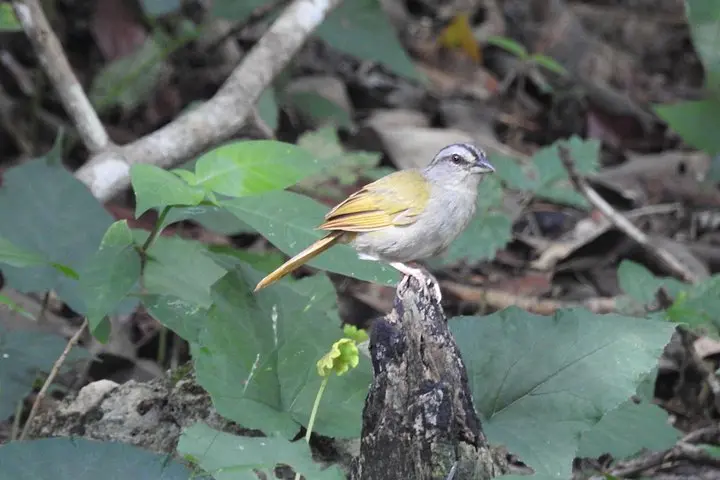
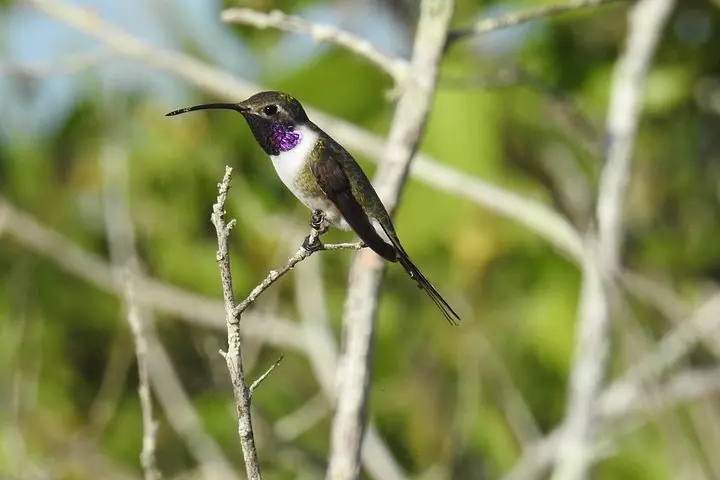
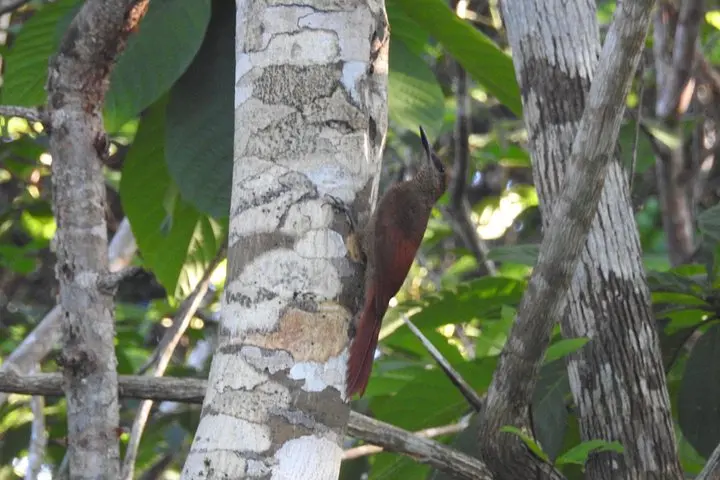
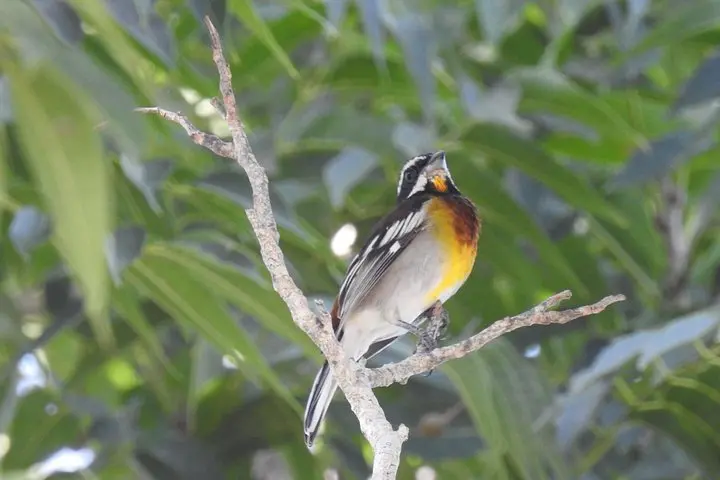
On this half-day tour you’ll hike short, uneven trails between hidden clearings and cenote edges to observe endemic species — trogons, motmots, and a variety of orioles — alongside winter migrants like warblers and tanagers. The terrain is compact dirt, low roots, and occasional limestone steps; humidity and heat can make pacing deliberate.
Practical guidance: bring binoculars, a field guide or app, at least 1 liter of water, sun protection, and insect repellent. Wear closed-toe shoes with grip and lightweight layers; expect 4–6 hours on your feet with multiple stops. Mornings are best for bird activity and softer light for photography. Respect private cenote access rules, keep voices low, and follow your guide’s lead to minimize disturbance. With prepared gear and a bit of patience, the Ruta de los Cenotes delivers concentrated birding in classic Yucatán karst scenery.
Expect Yucatán specialties like Motmots, Yucatan Woodpecker, various orioles and trogons, plus seasonal migrants such as New World warblers in winter months.
Children are welcome but must be accompanied by an adult; trails are uneven and guides recommend moderate fitness for participants.
Tour listings often include a driver/guide; confirm pickup details at booking since meeting points can vary depending on operator arrangements.
Early morning yields the most active bird behavior and cooler temperatures; late afternoon can also be productive but may be hotter and more insect-prone.
Contoy Excursions operates guided outdoor trips and adventures with an emphasis on safety, stewardship, and memorable experiences.
You step off the shaded track and the jungle answers: a trilled warble, wings flicking through the understory, a kingfisher flashing like a coin over a roadside cenote. The Ruta de los Cenotes west of Puerto Morelos threads through low dry forest and sinkholes where freshwater holes and limestone outcrops shape both habitat and history.
You step off the shaded track and the jungle answers: a trilled warble, wings flicking through the understory, a kingfisher flashing like a coin over a roadside cenote. The Ruta de los Cenotes west of Puerto Morelos threads through low dry forest and sinkholes where freshwater holes and limestone outcrops shape both habitat and history.
This stretch of the Yucatán Peninsula sits atop porous limestone carved by underground rivers; cenotes are the visible mouths of that system and a magnet for birds and people alike. The coastline nearby has long been part of Mayan trade routes, and local communities still read seasons by migratory arrivals. Guides here combine natural-history knowledge with cultural context, pointing out how traditional land use and cenote access shaped modern conservation.
On this half-day tour you’ll hike short, uneven trails between hidden clearings and cenote edges to observe endemic species — trogons, motmots, and a variety of orioles — alongside winter migrants like warblers and tanagers. The terrain is compact dirt, low roots, and occasional limestone steps; humidity and heat can make pacing deliberate.
Practical guidance: bring binoculars, a field guide or app, at least 1 liter of water, sun protection, and insect repellent. Wear closed-toe shoes with grip and lightweight layers; expect 4–6 hours on your feet with multiple stops. Mornings are best for bird activity and softer light for photography. Respect private cenote access rules, keep voices low, and follow your guide’s lead to minimize disturbance. With prepared gear and a bit of patience, the Ruta de los Cenotes delivers concentrated birding in classic Yucatán karst scenery.