THE ADVENTURE COLLECTIVE® · Independent discovery and booking for outdoor travel

A focused half-day birding safari from Kintai to Vente Cape and the Nemunas Delta. Expect scopes, reed-bed hides, and seasonal waves of migrants including eagles, warblers and waders.
A focused half-day birding safari from Kintai to Vente Cape and the Nemunas Delta. Expect scopes, reed-bed hides, and seasonal waves of migrants including eagles, warblers and waders.
Mornings on the Nemunas Delta begin with a thin mist over flooded meadows and the urgent crack of a marsh bird taking wing. On this half-day safari from Kintai you move slowly — by foot and from low observation hides — toward Vente Cape, where the river breathes into the Curonian Lagoon and thousands of migrants funnel past each autumn.
Verified experiences and guided adventures in the surrounding area.
Operated by Wet Weim Adventure Company · Kintai, Klaipėda County
Mornings on the Nemunas Delta begin with a thin mist over flooded meadows and the urgent crack of a marsh bird taking wing. On this half-day safari from Kintai you move slowly — by foot and from low observation hides — toward Vente Cape, where the river breathes into the Curonian Lagoon and thousands of migrants funnel past each autumn.
The delta’s flat, silty landscape is the result of centuries of sediment carried by the Nemunas. Human history is present in reed-thatched hamlets and the Ventė bird‑ringing station, founded in 1929 by Tadas Ivanauskas, which still records movements of eagles, warblers and godwits. The geology is simple but decisive: shallow channels, flooded meadows and reed beds create a patchwork of habitats used by waterfowl and raptors.
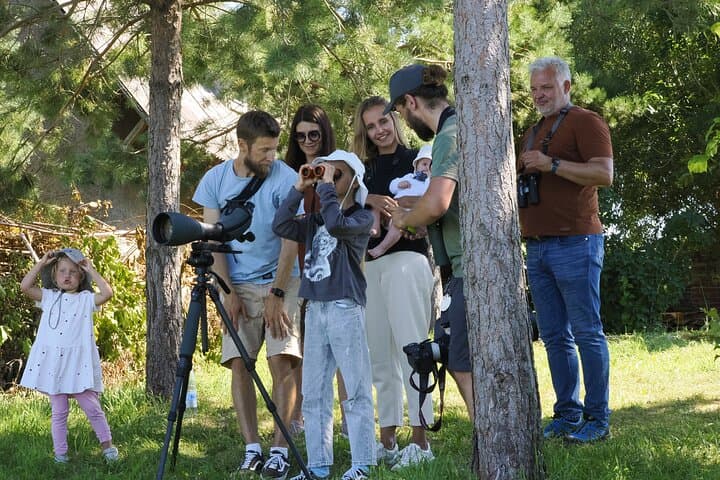
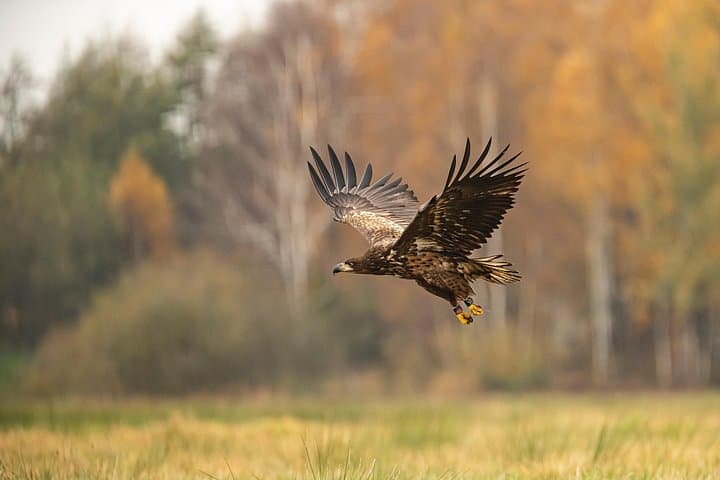
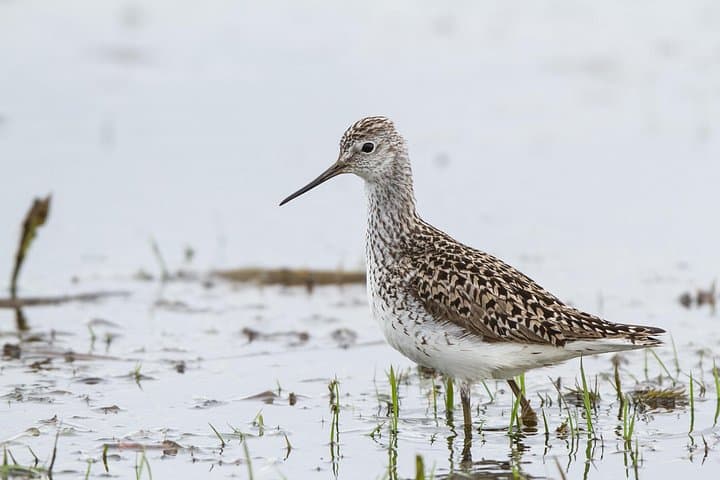
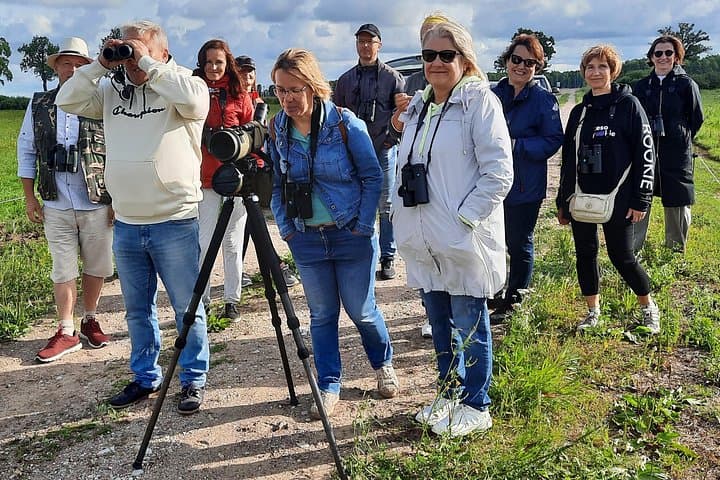
Expect tight, focused birding: white‑tailed eagles quartering the sky, kingfishers flashing along slow channels, and flocks of waders probing the mud. Guides set up scopes and lead short hikes between viewing points; the setting is quiet and often windy, so birds are audible before they are visible.
Practical edge — arrive early for low sun angles and active birds, wear waterproof footwear for reed margins, and pack layers for sudden coastal wind. Bring a notebook or phone for quick IDs; binoculars and a spotting scope are usually supplied, but personal optics speed detection. The route is accessible for most fitness levels and lasts about five hours, making it a concentrated, high-value wildlife morning for any birder visiting Western Lithuania.
The tour runs about five hours with short, flat walks between hides and observation points; most sections are accessible and not strenuous.
Guides provide binoculars and a 20–60x spotting scope, but bringing your own binoculars is recommended for quicker scanning.
Yes — the route is rated easy and guides accommodate beginners and families, though children should be able to remain quietly observant.
Expect waterfowl and waders, migratory passerines in season, plus raptors such as white‑tailed eagle and local specialties like kingfisher and aquatic warbler when present.
Wet Weim Adventure Company operates guided outdoor trips and adventures with an emphasis on safety, stewardship, and memorable experiences.
Mornings on the Nemunas Delta begin with a thin mist over flooded meadows and the urgent crack of a marsh bird taking wing. On this half-day safari from Kintai you move slowly — by foot and from low observation hides — toward Vente Cape, where the river breathes into the Curonian Lagoon and thousands of migrants funnel past each autumn.
Mornings on the Nemunas Delta begin with a thin mist over flooded meadows and the urgent crack of a marsh bird taking wing. On this half-day safari from Kintai you move slowly — by foot and from low observation hides — toward Vente Cape, where the river breathes into the Curonian Lagoon and thousands of migrants funnel past each autumn.
The delta’s flat, silty landscape is the result of centuries of sediment carried by the Nemunas. Human history is present in reed-thatched hamlets and the Ventė bird‑ringing station, founded in 1929 by Tadas Ivanauskas, which still records movements of eagles, warblers and godwits. The geology is simple but decisive: shallow channels, flooded meadows and reed beds create a patchwork of habitats used by waterfowl and raptors.
Expect tight, focused birding: white‑tailed eagles quartering the sky, kingfishers flashing along slow channels, and flocks of waders probing the mud. Guides set up scopes and lead short hikes between viewing points; the setting is quiet and often windy, so birds are audible before they are visible.
Practical edge — arrive early for low sun angles and active birds, wear waterproof footwear for reed margins, and pack layers for sudden coastal wind. Bring a notebook or phone for quick IDs; binoculars and a spotting scope are usually supplied, but personal optics speed detection. The route is accessible for most fitness levels and lasts about five hours, making it a concentrated, high-value wildlife morning for any birder visiting Western Lithuania.