THE ADVENTURE COLLECTIVE® · Independent discovery and booking for outdoor travel

Head offshore from Dubrovnik for a six-hour, family-friendly fishing trip that targets bonito, seabass, amberjack and the occasional tuna. This half-day tour blends local seafaring know-how with multiple fishing techniques—ideal for new anglers and seasoned bait casters alike.
Head offshore from Dubrovnik for a six-hour, family-friendly fishing trip that targets bonito, seabass, amberjack and the occasional tuna. This half-day tour blends local seafaring know-how with multiple fishing techniques—ideal for new anglers and seasoned bait casters alike.
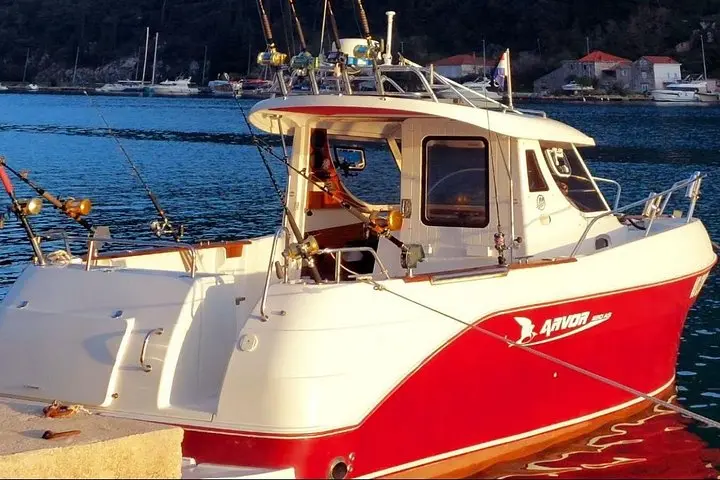
The bow slices the Adriatic at mid-morning and salt spray flicks against the rail like a warning and a promise. Dubrovnik shrinks behind you—its stone walls and orange roofs resolving into a straight line on the horizon—while the blue opens wider. The captain checks lines and baits with the kind of quiet concentration that bookends years on these waters; the sea seems to test you back, with currents that dare your rod tip and deep channels that tempt big fish to commit.
Verified experiences and guided adventures in the surrounding area.
Operated by Mario · Dubrovnik, Dubrovnik-Neretva County
The bow slices the Adriatic at mid-morning and salt spray flicks against the rail like a warning and a promise. Dubrovnik shrinks behind you—its stone walls and orange roofs resolving into a straight line on the horizon—while the blue opens wider. The captain checks lines and baits with the kind of quiet concentration that bookends years on these waters; the sea seems to test you back, with currents that dare your rod tip and deep channels that tempt big fish to commit.
These waters carry a long seam of maritime history. Once the heart of the Republic of Ragusa, Dubrovnik’s economy turned on seamanship and trade; today, local captains apply that inherited knowledge to fishing grounds carved by karst geology and Adriatic currents. Offshore, shelves and sudden drop-offs create corridors for bluefin tuna and swordfish, while rock outcrops closer to shore shelter sea bream, grouper, and seabass.
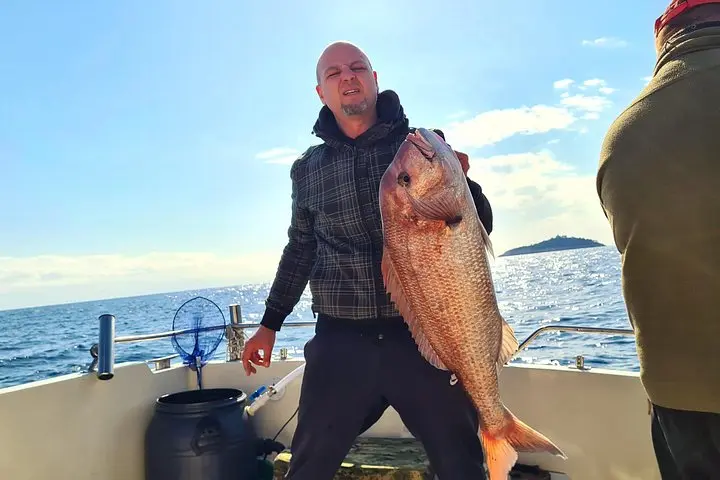
The tour hunts a rotating list of targets — Bonito, Amberjack, Dentex, European seabass, squid, little tunny, and occasional mahi mahi — using spinning, popping, trolling, drifting, jigging and bottom fishing. Swordfish are subject to catch-and-release rules; other species may require a local license or special tags. Drinks are included aboard, and the group-friendly setup welcomes children (bring or request child-sized life vests) and anglers of all experience levels.
Practicalities are simple but important. The trip runs about six hours and the meeting point sits just outside Dubrovnik; a taxi is the fastest option (about 10 minutes), or take local bus 1A/1B if you prefer public transit. Buy the required Croatian fishing license in advance—online portals are available—or ask the captain for current regulations. The operator cancels in bad weather and offers a full refund for cancellations made at least 24 hours prior.
Expect varied sea states depending on season: calm glass in summer, choppier, wind-prone conditions in spring and fall. Bring sun protection and non-slip shoes, and consider motion-sickness medication if you’re sensitive. The captain supplies rods and basic tackle, but check for child vests and tell staff about mobility or health restrictions; the tour is not recommended for those with spinal injuries.
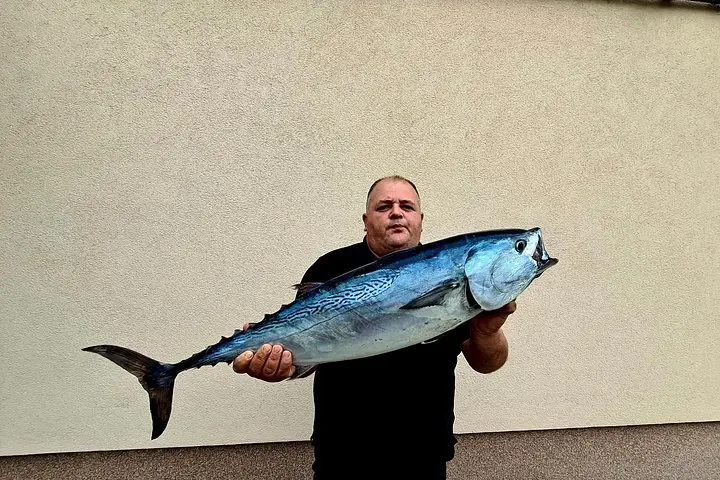
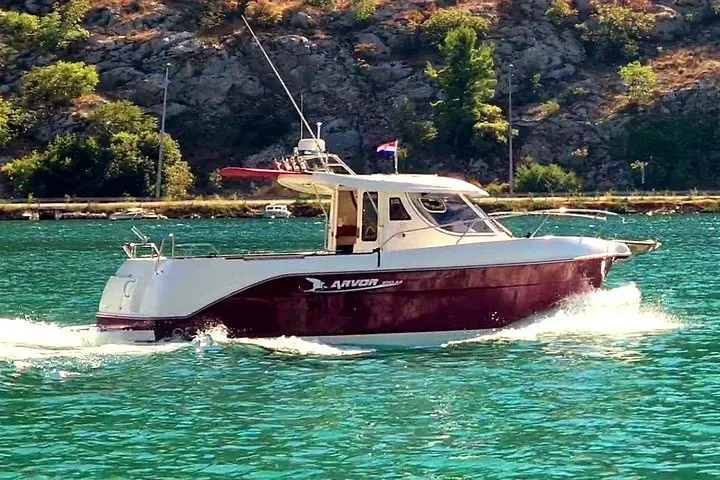
For photographers, the shifting light between island shadows and open sea gives dramatic frames—capture the first run of a hooked fish, a low-angle of the boat cutting foam, or the serrated profile of a landed bonito with Dubrovnik’s walls receding in the distance. This is a working sea experience: focused, sometimes brisk, and always honest. It’s less about guaranteed trophies and more about time on the water—learning local methods, reading a current, and watching the coast of Dalmatia reveal itself from a very different vantage.
Yes—guests must hold a local fishing license. You can buy one online in advance or ask the captain for guidance on current requirements and tags.
Children are welcome but may need to sit on laps; request child-sized life vests in advance if available or bring your own.
Swordfish encounters are subject to catch-and-release rules; the crew will handle release to minimize harm and follow local regulations.
Yes—the tour is private and social; even non-anglers enjoy the scenery, boat ride, and chance to learn basic techniques.
The boat provides rods, basic tackle, and drinks; guests should bring personal sun protection, suitable footwear, and required licenses.
Full refunds are available if you cancel at least 24 hours before departure; the operator will cancel in bad weather and issue refunds accordingly.
Mario operates guided outdoor trips and adventures with an emphasis on safety, stewardship, and memorable experiences.
The bow slices the Adriatic at mid-morning and salt spray flicks against the rail like a warning and a promise. Dubrovnik shrinks behind you—its stone walls and orange roofs resolving into a straight line on the horizon—while the blue opens wider. The captain checks lines and baits with the kind of quiet concentration that bookends years on these waters; the sea seems to test you back, with currents that dare your rod tip and deep channels that tempt big fish to commit.
The bow slices the Adriatic at mid-morning and salt spray flicks against the rail like a warning and a promise. Dubrovnik shrinks behind you—its stone walls and orange roofs resolving into a straight line on the horizon—while the blue opens wider. The captain checks lines and baits with the kind of quiet concentration that bookends years on these waters; the sea seems to test you back, with currents that dare your rod tip and deep channels that tempt big fish to commit.
These waters carry a long seam of maritime history. Once the heart of the Republic of Ragusa, Dubrovnik’s economy turned on seamanship and trade; today, local captains apply that inherited knowledge to fishing grounds carved by karst geology and Adriatic currents. Offshore, shelves and sudden drop-offs create corridors for bluefin tuna and swordfish, while rock outcrops closer to shore shelter sea bream, grouper, and seabass.
The tour hunts a rotating list of targets — Bonito, Amberjack, Dentex, European seabass, squid, little tunny, and occasional mahi mahi — using spinning, popping, trolling, drifting, jigging and bottom fishing. Swordfish are subject to catch-and-release rules; other species may require a local license or special tags. Drinks are included aboard, and the group-friendly setup welcomes children (bring or request child-sized life vests) and anglers of all experience levels.
Practicalities are simple but important. The trip runs about six hours and the meeting point sits just outside Dubrovnik; a taxi is the fastest option (about 10 minutes), or take local bus 1A/1B if you prefer public transit. Buy the required Croatian fishing license in advance—online portals are available—or ask the captain for current regulations. The operator cancels in bad weather and offers a full refund for cancellations made at least 24 hours prior.
Expect varied sea states depending on season: calm glass in summer, choppier, wind-prone conditions in spring and fall. Bring sun protection and non-slip shoes, and consider motion-sickness medication if you’re sensitive. The captain supplies rods and basic tackle, but check for child vests and tell staff about mobility or health restrictions; the tour is not recommended for those with spinal injuries.
For photographers, the shifting light between island shadows and open sea gives dramatic frames—capture the first run of a hooked fish, a low-angle of the boat cutting foam, or the serrated profile of a landed bonito with Dubrovnik’s walls receding in the distance. This is a working sea experience: focused, sometimes brisk, and always honest. It’s less about guaranteed trophies and more about time on the water—learning local methods, reading a current, and watching the coast of Dalmatia reveal itself from a very different vantage.