THE ADVENTURE COLLECTIVE® · Independent discovery and booking for outdoor travel

Spend a half day exploring Dolmabahçe Palace's gilded rooms and cruising the Bosphorus between Europe and Asia. This private tour pairs palace history with a shared boat passage, ideal for travelers short on time.
Spend a half day exploring Dolmabahçe Palace's gilded rooms and cruising the Bosphorus between Europe and Asia. This private tour pairs palace history with a shared boat passage, ideal for travelers short on time.
You step out onto the quay as the Bosphorus pulls itself between two continents, wind sharpening the scent of salt and brewing tea. The minivan drops you at Dolmabahçe Palace—a 19th‑century palace of marble staircases and crystal—where gilt rooms demand a steady pace and an eye for detail.
Verified experiences and guided adventures in the surrounding area.
Operated by Travel Tips Turkey · Istanbul, Istanbul Province
You step out onto the quay as the Bosphorus pulls itself between two continents, wind sharpening the scent of salt and brewing tea. The minivan drops you at Dolmabahçe Palace—a 19th‑century palace of marble staircases and crystal—where gilt rooms demand a steady pace and an eye for detail.
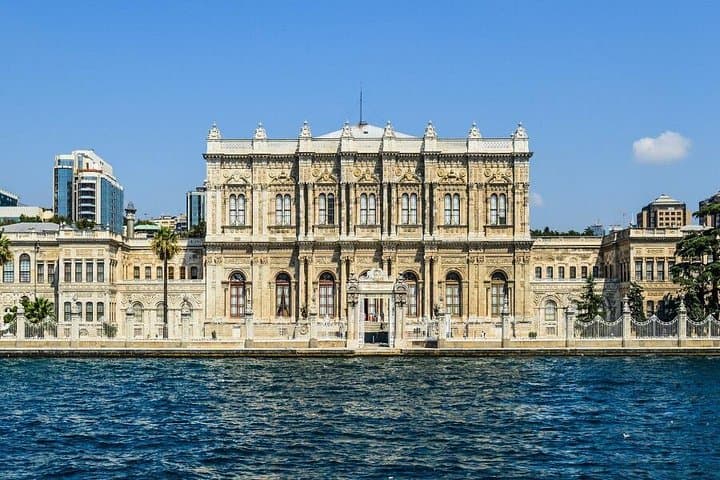
Dolmabahçe was completed in 1856 and became the late Ottoman administrative center; its façades blend Baroque, Rococo and Neoclassical flourishes over Ottoman form. Geologically, the Bosphorus is a narrow, fast-flowing strait carved by tectonic uplift and sea‑level changes that now channels Black Sea waters to the Marmara, creating current patterns captains read like a map.
Culturally, the route between Dolmabahçe and Rumeli Fortress strings together wooden yalıs, mosques, and bustling ferry docks—places where daily life, commerce and centuries of empire meet. Local cafés around Ortaköy pour strong Turkish coffee while seagulls wheel and occasional dolphins cut the wake.
Practical guidance: allow four to five hours total—two hours at the palace (ticket and security separate), and two hours for the Bosphorus passage. The cruise uses a public boat for an intimate but shared on‑water experience; expect standing room and brief stops for photos. Bring ID and cash for entrance fees, wear comfortable shoes for marble floors and stairs, and layer against sea breezes. Hotel pickup is typically from centrally located European‑side hotels—confirm your pickup point and reconfirm timing the day before. If winds pick up, operators may alter the route; keep plans flexible and keep a small bottle of water and sunscreen handy.
No—the tour typically does not include the palace entrance fee; visitors pay for tickets on site and should allow time for security checks.
Yes—the Bosphorus connects the European and Asian shores and the cruise passes notable landmarks on both sides, including waterfront mansions and fortresses.
The Bosphorus segment is usually on a public boat shared with other passengers, while the guide and land transfers are private.
Pickup is offered from centrally located hotels on the European side; hotels further away may incur an extra round‑trip fee—confirm at booking and reconfirm pickup timing.
Travel Tips Turkey operates guided outdoor trips and adventures with an emphasis on safety, stewardship, and memorable experiences.

You step out onto the quay as the Bosphorus pulls itself between two continents, wind sharpening the scent of salt and brewing tea. The minivan drops you at Dolmabahçe Palace—a 19th‑century palace of marble staircases and crystal—where gilt rooms demand a steady pace and an eye for detail.
You step out onto the quay as the Bosphorus pulls itself between two continents, wind sharpening the scent of salt and brewing tea. The minivan drops you at Dolmabahçe Palace—a 19th‑century palace of marble staircases and crystal—where gilt rooms demand a steady pace and an eye for detail.
Dolmabahçe was completed in 1856 and became the late Ottoman administrative center; its façades blend Baroque, Rococo and Neoclassical flourishes over Ottoman form. Geologically, the Bosphorus is a narrow, fast-flowing strait carved by tectonic uplift and sea‑level changes that now channels Black Sea waters to the Marmara, creating current patterns captains read like a map.
Culturally, the route between Dolmabahçe and Rumeli Fortress strings together wooden yalıs, mosques, and bustling ferry docks—places where daily life, commerce and centuries of empire meet. Local cafés around Ortaköy pour strong Turkish coffee while seagulls wheel and occasional dolphins cut the wake.
Practical guidance: allow four to five hours total—two hours at the palace (ticket and security separate), and two hours for the Bosphorus passage. The cruise uses a public boat for an intimate but shared on‑water experience; expect standing room and brief stops for photos. Bring ID and cash for entrance fees, wear comfortable shoes for marble floors and stairs, and layer against sea breezes. Hotel pickup is typically from centrally located European‑side hotels—confirm your pickup point and reconfirm timing the day before. If winds pick up, operators may alter the route; keep plans flexible and keep a small bottle of water and sunscreen handy.