THE ADVENTURE COLLECTIVE® · Independent discovery and booking for outdoor travel

In four brisk hours this tour takes you from Cape Town’s sun-swept beaches to the windswept cliffs of Cape Point and the curious penguins at Boulders Beach. Expect dramatic coastal views, easy walks, and a quick immersion in the peninsula’s geology and wildlife.
In four brisk hours this tour takes you from Cape Town’s sun-swept beaches to the windswept cliffs of Cape Point and the curious penguins at Boulders Beach. Expect dramatic coastal views, easy walks, and a quick immersion in the peninsula’s geology and wildlife.
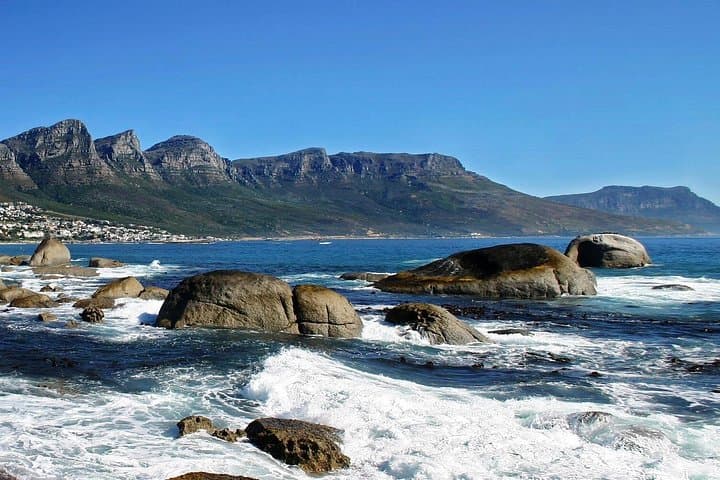
You step off the van and the ocean answers—cold Atlantic gusts sweep across the headland, throwing spray over wind-polished rock. In one direction the cliffs fall away in a raw, vertical line; in the other, the placid inlets of False Bay reflect winter light. This half-day tour compresses the Cape’s extremes—white sand, granite boulders, tidal surf and the dramatic promontory of Cape Point—into a four-hour sweep that reads like a primer on the peninsula’s natural history.
Verified experiences and guided adventures in the surrounding area.
Operated by Citi Shuttles · Cape Town, Western Cape
You step off the van and the ocean answers—cold Atlantic gusts sweep across the headland, throwing spray over wind-polished rock. In one direction the cliffs fall away in a raw, vertical line; in the other, the placid inlets of False Bay reflect winter light. This half-day tour compresses the Cape’s extremes—white sand, granite boulders, tidal surf and the dramatic promontory of Cape Point—into a four-hour sweep that reads like a primer on the peninsula’s natural history.
Geology here is immediate: 600-million-year-old Table Mountain sandstone meets Pleistocene sea terraces, and waves have carved the coastline into a series of steep headlands and sheltered bays. The reserve at Cape Point preserves this collision of rock and ocean, where endemic fynbos—low, woody shrubs unique to the Cape Floristic Region—crowds the slopes and the wind seems intent on keeping everything short and close to the ground.
Human stories thread through the landscape. European mariners like Bartolomeu Dias and later explorers marked these shores in the Age of Sail; Simon’s Town grew as a naval hub. Today small fishing villages—Kalk Bay and Simon’s Town—hold on to slow rhythms: cafés, fish stalls and a harbour where local culture meets a practical relationship with the sea.
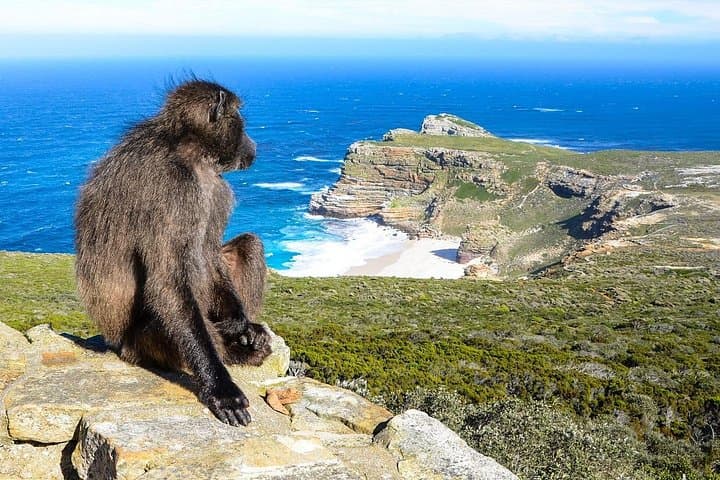
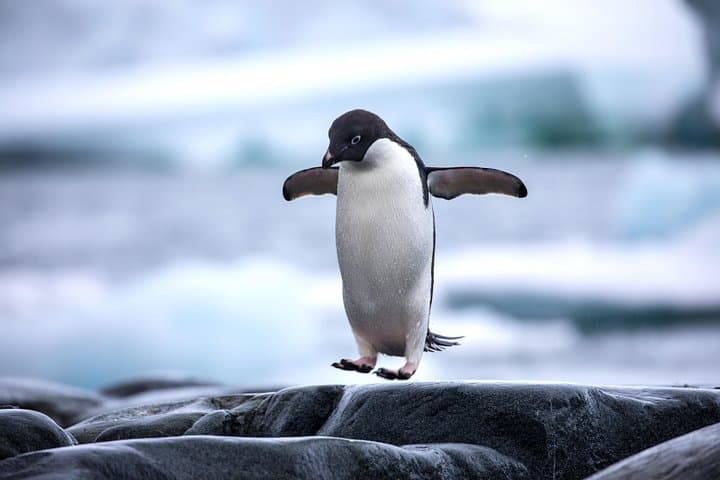
Wildlife is conspicuous and approachable if you keep your distance. At Boulders Beach African penguins waddle between granite islands and shallow coves; they’ve expanded from a handful of birds into a thriving colony, drawing conservation attention and visitor numbers alike. Cape fur seals ply the offshore kelp and baboons patrol the scrub higher on the slopes.
Practical guide: the tour typically runs four hours with hotel pickup in central Cape Town between 08:00–09:00 or 13:00–14:00. Expect brief stops at Clifton and Camps Bay (drive-by) before a 60–90 minute visit to Boulders Beach to use the boardwalks and watch penguins, and a longer stop at Cape Point for walking, views and the option to ride the funicular to the old lighthouse. Terrain is easy but can be uneven and windy—bring layered windproof clothing and sturdy shoes.
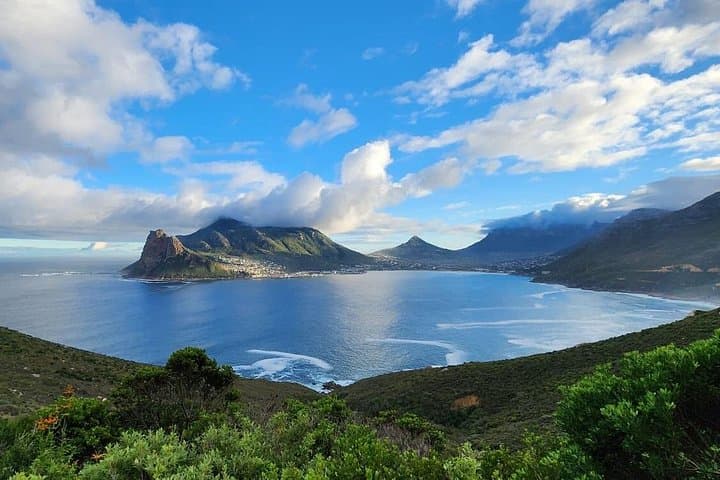
Timing matters: mornings are cooler and quieter; late afternoon offers dramatic light along Chapman's Peak and the headlands. Respect signage—do not feed or approach wildlife—and bring water, sunscreen and a small camera; a telephoto or zoom will keep you out of the penguins’ personal space while still filling the frame. For first-time visitors this tour is a concentrated, practical way to read the peninsula’s landscape, wildlife and maritime history in a single, bracing half-day.
The tour runs approximately four hours with scheduled hotel pickup in central Cape Town.
Yes—Boulders Beach hosts an accessible African penguin colony viewable from boardwalks; sightings are highly likely.
The tour includes the entrance fee to the Cape Point Nature Reserve as listed in the inclusions.
The tour is described as suitable for all fitness levels; transport and many surfaces are wheelchair accessible, but some viewpoints involve steps.
Pickup is offered from central Cape Town hotels and selected locations; you'll be informed of your pickup time and location after booking.
Morning offers cooler temperatures and fewer crowds; late afternoon provides dramatic light for photos and calmer penguin viewing at Boulders Beach.
Citi Shuttles operates guided outdoor trips and adventures with an emphasis on safety, stewardship, and memorable experiences.
You step off the van and the ocean answers—cold Atlantic gusts sweep across the headland, throwing spray over wind-polished rock. In one direction the cliffs fall away in a raw, vertical line; in the other, the placid inlets of False Bay reflect winter light. This half-day tour compresses the Cape’s extremes—white sand, granite boulders, tidal surf and the dramatic promontory of Cape Point—into a four-hour sweep that reads like a primer on the peninsula’s natural history.
You step off the van and the ocean answers—cold Atlantic gusts sweep across the headland, throwing spray over wind-polished rock. In one direction the cliffs fall away in a raw, vertical line; in the other, the placid inlets of False Bay reflect winter light. This half-day tour compresses the Cape’s extremes—white sand, granite boulders, tidal surf and the dramatic promontory of Cape Point—into a four-hour sweep that reads like a primer on the peninsula’s natural history.
Geology here is immediate: 600-million-year-old Table Mountain sandstone meets Pleistocene sea terraces, and waves have carved the coastline into a series of steep headlands and sheltered bays. The reserve at Cape Point preserves this collision of rock and ocean, where endemic fynbos—low, woody shrubs unique to the Cape Floristic Region—crowds the slopes and the wind seems intent on keeping everything short and close to the ground.
Human stories thread through the landscape. European mariners like Bartolomeu Dias and later explorers marked these shores in the Age of Sail; Simon’s Town grew as a naval hub. Today small fishing villages—Kalk Bay and Simon’s Town—hold on to slow rhythms: cafés, fish stalls and a harbour where local culture meets a practical relationship with the sea.
Wildlife is conspicuous and approachable if you keep your distance. At Boulders Beach African penguins waddle between granite islands and shallow coves; they’ve expanded from a handful of birds into a thriving colony, drawing conservation attention and visitor numbers alike. Cape fur seals ply the offshore kelp and baboons patrol the scrub higher on the slopes.
Practical guide: the tour typically runs four hours with hotel pickup in central Cape Town between 08:00–09:00 or 13:00–14:00. Expect brief stops at Clifton and Camps Bay (drive-by) before a 60–90 minute visit to Boulders Beach to use the boardwalks and watch penguins, and a longer stop at Cape Point for walking, views and the option to ride the funicular to the old lighthouse. Terrain is easy but can be uneven and windy—bring layered windproof clothing and sturdy shoes.
Timing matters: mornings are cooler and quieter; late afternoon offers dramatic light along Chapman's Peak and the headlands. Respect signage—do not feed or approach wildlife—and bring water, sunscreen and a small camera; a telephoto or zoom will keep you out of the penguins’ personal space while still filling the frame. For first-time visitors this tour is a concentrated, practical way to read the peninsula’s landscape, wildlife and maritime history in a single, bracing half-day.