THE ADVENTURE COLLECTIVE® · Independent discovery and booking for outdoor travel

Explore Épernay’s Avenue de Champagne, the church of Dom Pérignon in Hautvillers and Grand Cru vineyards around Aÿ on a private 3.5-hour tour. Perfect for first-time visitors who want context — geology, history and tasting — packed into a short, guided experience.
Explore Épernay’s Avenue de Champagne, the church of Dom Pérignon in Hautvillers and Grand Cru vineyards around Aÿ on a private 3.5-hour tour. Perfect for first-time visitors who want context — geology, history and tasting — packed into a short, guided experience.
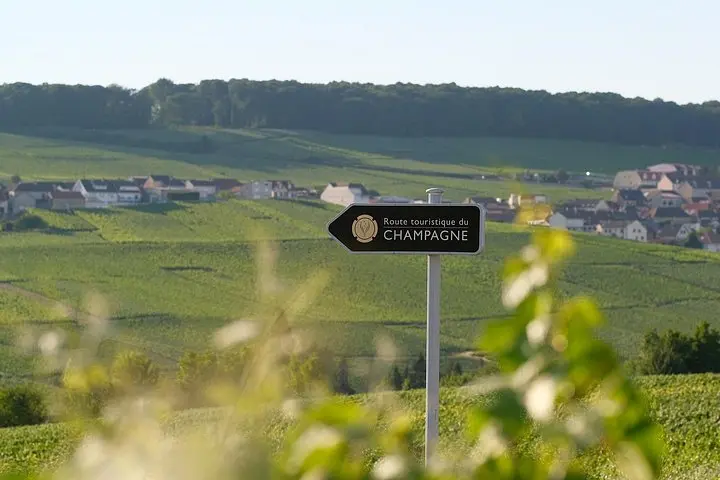
Morning light cuts across chalky rows of vines as a private minivan moves from Épernay into the historic hillsides of Champagne.
Verified experiences and guided adventures in the surrounding area.
Operated by Aÿ-Champagne Experience · Épernay, Grand Est
Morning light cuts across chalky rows of vines as a private minivan moves from Épernay into the historic hillsides of Champagne.
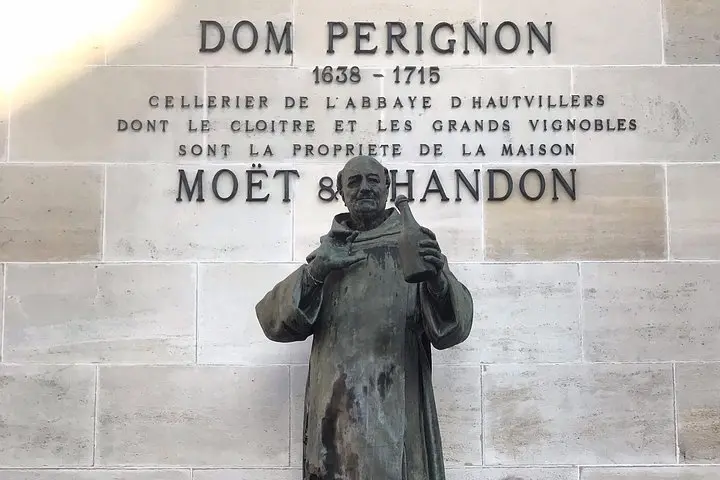
In roughly three and a half hours visitors move between the Avenue de Champagne, the quiet church of Hautvillers and panoramic viewpoints over the Marne Valley. The route threads through villages planted mainly to Pinot Noir and Chardonnay, where limestone soils and slope aspect shape tiny, intense plots. In Hautvillers a short guided stop at Dom Pérignon’s church connects the present tasting ritual to the region’s 17th–18th century experiments in secondary fermentation.
Geology matters here: Champagne’s chalk—part of the Paris Basin—keeps roots cool and lends wines their signature tension. Aÿ and Mareuil-sur-Aÿ reveal working presses, family cellars and the architecture of villages that once supplied royal tables. Tastings with a grower highlight Grand Cru and Premier Cru differences and include Ratafia and Marc for context on local distillation traditions.
Practical guidance: the tour is largely seated transport with brief outdoor stops on uneven vineyard tracks and cellar steps—comfortable shoes and a weather layer are wise. Tastings are seated and guided; drivers should note the alcohol policy if they plan to drink. Bring a camera for hilltop views and a small daypack for purchases or an extra jacket.
Timing: mornings offer cooler light and quieter cellars; late afternoons can be warmer and busier. The tour balances culture, geology and tasting in a compact, private format ideal for first-time visitors to Champagne.
Yes — pickup within about a 6 km (3.7 mi) perimeter around Épernay is included; confirm your exact meeting point at booking.
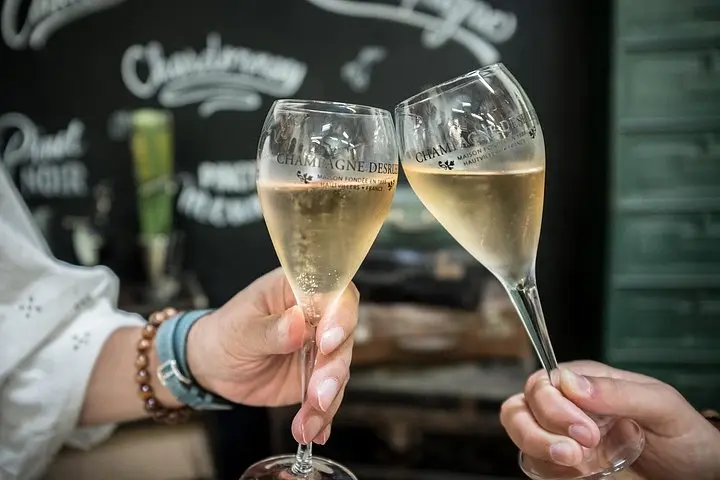
The itinerary includes a commented tasting of three Grand Cru/Premier Cru Champagnes plus additional tastings of local aperitifs and distillates such as Ratafia and Marc.
Many historic cellars have steps and narrow passages; accessibility varies by producer — notify the operator ahead so they can plan appropriate visits.
Yes — visits to independent growers typically allow purchases; ask about shipping or carry-on restrictions before buying.
Aÿ-Champagne Experience operates guided outdoor trips and adventures with an emphasis on safety, stewardship, and memorable experiences.
Morning light cuts across chalky rows of vines as a private minivan moves from Épernay into the historic hillsides of Champagne.
Morning light cuts across chalky rows of vines as a private minivan moves from Épernay into the historic hillsides of Champagne.
In roughly three and a half hours visitors move between the Avenue de Champagne, the quiet church of Hautvillers and panoramic viewpoints over the Marne Valley. The route threads through villages planted mainly to Pinot Noir and Chardonnay, where limestone soils and slope aspect shape tiny, intense plots. In Hautvillers a short guided stop at Dom Pérignon’s church connects the present tasting ritual to the region’s 17th–18th century experiments in secondary fermentation.
Geology matters here: Champagne’s chalk—part of the Paris Basin—keeps roots cool and lends wines their signature tension. Aÿ and Mareuil-sur-Aÿ reveal working presses, family cellars and the architecture of villages that once supplied royal tables. Tastings with a grower highlight Grand Cru and Premier Cru differences and include Ratafia and Marc for context on local distillation traditions.
Practical guidance: the tour is largely seated transport with brief outdoor stops on uneven vineyard tracks and cellar steps—comfortable shoes and a weather layer are wise. Tastings are seated and guided; drivers should note the alcohol policy if they plan to drink. Bring a camera for hilltop views and a small daypack for purchases or an extra jacket.
Timing: mornings offer cooler light and quieter cellars; late afternoons can be warmer and busier. The tour balances culture, geology and tasting in a compact, private format ideal for first-time visitors to Champagne.