THE ADVENTURE COLLECTIVE® · Independent discovery and booking for outdoor travel

Explore Charleston’s layered past on a focused 4.5-hour bus tour that pairs the intimate Aiken-Rhett House with the broader collections of the Charleston Museum. Expect preserved interiors, historic streets, and practical guidance for an easy urban history outing.
Explore Charleston’s layered past on a focused 4.5-hour bus tour that pairs the intimate Aiken-Rhett House with the broader collections of the Charleston Museum. Expect preserved interiors, historic streets, and practical guidance for an easy urban history outing.
You step off the visitor center curb into a street that still remembers the scent of salt and cedar—Charleston’s historic district opens like a map of time as the bus eases away. The tour moves at a deliberate, urban pace: broad antebellum facades give way to a narrow alley where brickwork leans toward the sky, then to a preserved interior whose floorboards hold generations of footsteps.
Verified experiences and guided adventures in the surrounding area.
Operated by Charms Of Charleston Tours · Charleston, South Carolina
You step off the visitor center curb into a street that still remembers the scent of salt and cedar—Charleston’s historic district opens like a map of time as the bus eases away. The tour moves at a deliberate, urban pace: broad antebellum facades give way to a narrow alley where brickwork leans toward the sky, then to a preserved interior whose floorboards hold generations of footsteps.
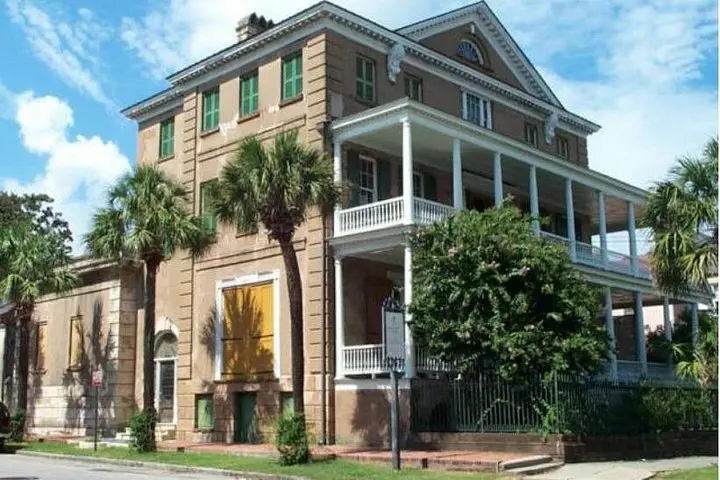
The Aiken-Rhett House (c. 1820) offers an intimate, unvarnished look at antebellum domestic life—house, dependencies and servant passages remain intact. The Charleston Museum, founded from collections dating to 1773, frames that house within the port city’s longer arc: colonial trade, rice and indigo economies, and the Civil War’s imprint. Geologically the city sits on Lowcountry tidal flats and barrier-island sediments; those marshes and tidal creeks shaped commerce and daily life, and they still define the view from many windows.
Culture here is layered: historic preservation, the living Gullah traditions in the region, and a museum habit of presenting objects that ask you to reckon with the past. Shopkeepers, guides, and the city itself are visible through small details—ironwork, tabby foundations, and neighborhood gardens.
Practical guidance: tours last about 4.5 hours, start and end at the Charleston Visitor Center; wear comfortable shoes and expect stairs inside historic homes. Bring water and sun protection for short outdoor stops. Photography rules vary—ask your guide before entering interiors. If you’re interested in architecture, social history, or museum collections, this half-day tour delivers concentrated context with efficient logistics.
The tour departs from and returns to the Charleston Visitor Center in the historic district; check your booking for the exact meeting point.
Yes—admission to both sites is included as part of this guided half-day tour.
The bus and visitor center are accessible, but some historic interiors have narrow staircases and limited accessibility—notify the operator of mobility needs when booking.
Photography rules vary; typically interior photography is restricted or limited—ask your guide on arrival to avoid accidental violations.
Charms Of Charleston Tours operates guided outdoor trips and adventures with an emphasis on safety, stewardship, and memorable experiences.

You step off the visitor center curb into a street that still remembers the scent of salt and cedar—Charleston’s historic district opens like a map of time as the bus eases away. The tour moves at a deliberate, urban pace: broad antebellum facades give way to a narrow alley where brickwork leans toward the sky, then to a preserved interior whose floorboards hold generations of footsteps.
You step off the visitor center curb into a street that still remembers the scent of salt and cedar—Charleston’s historic district opens like a map of time as the bus eases away. The tour moves at a deliberate, urban pace: broad antebellum facades give way to a narrow alley where brickwork leans toward the sky, then to a preserved interior whose floorboards hold generations of footsteps.
The Aiken-Rhett House (c. 1820) offers an intimate, unvarnished look at antebellum domestic life—house, dependencies and servant passages remain intact. The Charleston Museum, founded from collections dating to 1773, frames that house within the port city’s longer arc: colonial trade, rice and indigo economies, and the Civil War’s imprint. Geologically the city sits on Lowcountry tidal flats and barrier-island sediments; those marshes and tidal creeks shaped commerce and daily life, and they still define the view from many windows.
Culture here is layered: historic preservation, the living Gullah traditions in the region, and a museum habit of presenting objects that ask you to reckon with the past. Shopkeepers, guides, and the city itself are visible through small details—ironwork, tabby foundations, and neighborhood gardens.
Practical guidance: tours last about 4.5 hours, start and end at the Charleston Visitor Center; wear comfortable shoes and expect stairs inside historic homes. Bring water and sun protection for short outdoor stops. Photography rules vary—ask your guide before entering interiors. If you’re interested in architecture, social history, or museum collections, this half-day tour delivers concentrated context with efficient logistics.