THE ADVENTURE COLLECTIVE® · Independent discovery and booking for outdoor travel

Spend a focused half-day at Chengdu’s Research Base to watch giant pandas feeding, playing, and resting. This private tour includes hotel pickup, entrance, and a local guide to maximize viewing during the most active hours.
Spend a focused half-day at Chengdu’s Research Base to watch giant pandas feeding, playing, and resting. This private tour includes hotel pickup, entrance, and a local guide to maximize viewing during the most active hours.
Arriving at the Chengdu Research Base of Giant Panda Breeding feels like stepping into a city park that took on the job of protecting a national icon. Morning light filters through stands of bamboo; the animal enclosures hum with the low rustle of leaves and the soft chuff of pandas moving between feeding platforms. A private guide leads the way, cutting the noise of Chengdu traffic and placing you where the animals most often feed and rest.
Verified experiences and guided adventures in the surrounding area.
Operated by Panda Discovery · Chengdu, Sichuan
Arriving at the Chengdu Research Base of Giant Panda Breeding feels like stepping into a city park that took on the job of protecting a national icon. Morning light filters through stands of bamboo; the animal enclosures hum with the low rustle of leaves and the soft chuff of pandas moving between feeding platforms. A private guide leads the way, cutting the noise of Chengdu traffic and placing you where the animals most often feed and rest.
Founded in the late 1980s, the Base was built to mimic the pandas’ montane bamboo forests and to provide a controlled space for breeding and research. The site's gentle hills and planted groves echo the nearby Sichuan Basin’s geology—uplifted terraces that once fed rivers carving into softer rock. Culturally, pandas are a continuous presence in Chengdu life: public art, teahouses, and conservation messaging thread through neighborhoods.
Practically, a half-day visit focuses on early-morning activity: keep conversations low, follow the guide’s schedule to catch feeding windows, and allow time for the small on-site education center. Expect paved paths, modest elevation changes, and well-marked viewing platforms—suitable for most fitness levels. Photography is permitted but avoid flash; signs note restricted areas around dens and nurseries.
For planning: pick morning pickup to maximize animal activity, wear layered clothing for cool mornings and warmer afternoons, and bring a refillable water bottle. The tour’s hotel transfer and entrance fee simplify logistics, leaving visitors to concentrate on observing, learning, and supporting the conservation work that defines this place.
The tour is about four hours door-to-door and includes hotel pickup/drop-off, entrance fees, private guide, and private vehicle transport.
Early morning around feeding times is best—pandas tend to be more active before mid-day.
No—nursery areas are restricted and touching pandas is not allowed; these rules protect infant animals and staff safety.
Much of the site has paved paths and viewing platforms, but some areas include stairs; contact the operator ahead for specific accessibility needs.
Panda Discovery operates guided outdoor trips and adventures with an emphasis on safety, stewardship, and memorable experiences.
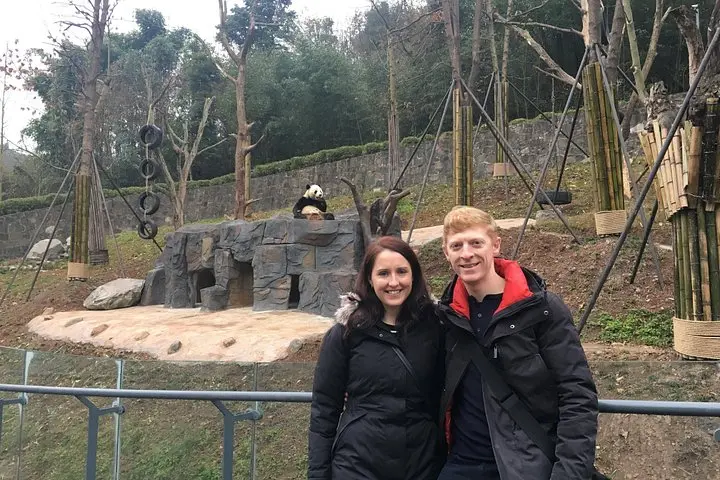
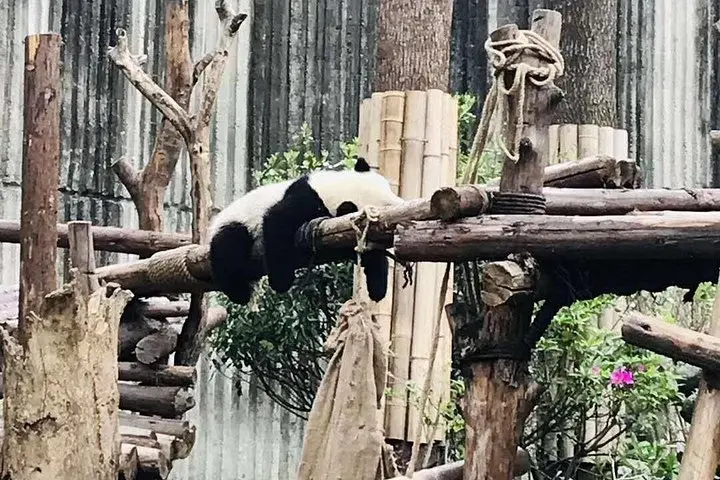
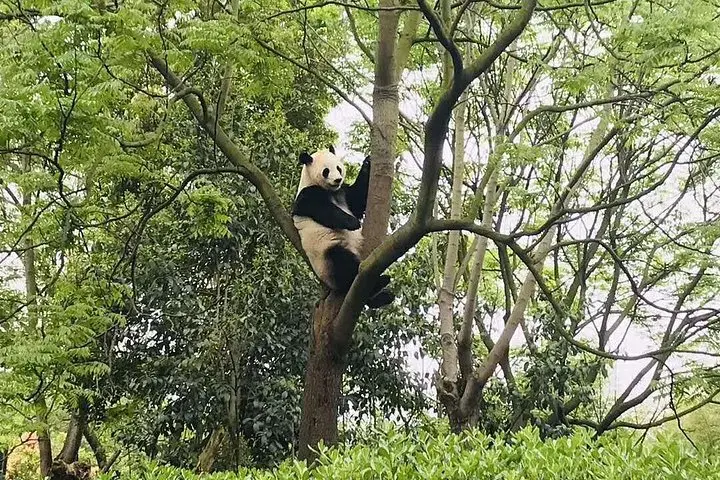

Arriving at the Chengdu Research Base of Giant Panda Breeding feels like stepping into a city park that took on the job of protecting a national icon. Morning light filters through stands of bamboo; the animal enclosures hum with the low rustle of leaves and the soft chuff of pandas moving between feeding platforms. A private guide leads the way, cutting the noise of Chengdu traffic and placing you where the animals most often feed and rest.
Arriving at the Chengdu Research Base of Giant Panda Breeding feels like stepping into a city park that took on the job of protecting a national icon. Morning light filters through stands of bamboo; the animal enclosures hum with the low rustle of leaves and the soft chuff of pandas moving between feeding platforms. A private guide leads the way, cutting the noise of Chengdu traffic and placing you where the animals most often feed and rest.
Founded in the late 1980s, the Base was built to mimic the pandas’ montane bamboo forests and to provide a controlled space for breeding and research. The site's gentle hills and planted groves echo the nearby Sichuan Basin’s geology—uplifted terraces that once fed rivers carving into softer rock. Culturally, pandas are a continuous presence in Chengdu life: public art, teahouses, and conservation messaging thread through neighborhoods.
Practically, a half-day visit focuses on early-morning activity: keep conversations low, follow the guide’s schedule to catch feeding windows, and allow time for the small on-site education center. Expect paved paths, modest elevation changes, and well-marked viewing platforms—suitable for most fitness levels. Photography is permitted but avoid flash; signs note restricted areas around dens and nurseries.
For planning: pick morning pickup to maximize animal activity, wear layered clothing for cool mornings and warmer afternoons, and bring a refillable water bottle. The tour’s hotel transfer and entrance fee simplify logistics, leaving visitors to concentrate on observing, learning, and supporting the conservation work that defines this place.