THE ADVENTURE COLLECTIVE® · Independent discovery and booking for outdoor travel

Spend a focused half-day exploring three of Chiang Mai’s most meaningful temples — the mountain-top Doi Suthep, the forested meditation tunnels of Wat Umong, and the royal mausoleums at Wat Suan Dok. Private transport and a licensed guide make for an efficient cultural outing.
Spend a focused half-day exploring three of Chiang Mai’s most meaningful temples — the mountain-top Doi Suthep, the forested meditation tunnels of Wat Umong, and the royal mausoleums at Wat Suan Dok. Private transport and a licensed guide make for an efficient cultural outing.
You step out of a cool minivan into mountain air that tastes faintly of incense and damp earth. The road climbs away from Chiang Mai’s grid; the trees press close and the city noise recedes. At Doi Suthep the naga staircase rises, a line of guardians leading toward gilded chedis that catch sunlight and temple bells that puncture the hush. At Wat Umong, tunnels and a small lake open a quieter page—mossed brick and the soft echo of chanting. Wat Suan Dok’s white-washed mausoleums sit in a lawn where history is read in stone and ritual.
Verified experiences and guided adventures in the surrounding area.
Operated by AP Good@travel · Chiang Mai, Chiang Mai Province
You step out of a cool minivan into mountain air that tastes faintly of incense and damp earth. The road climbs away from Chiang Mai’s grid; the trees press close and the city noise recedes. At Doi Suthep the naga staircase rises, a line of guardians leading toward gilded chedis that catch sunlight and temple bells that puncture the hush. At Wat Umong, tunnels and a small lake open a quieter page—mossed brick and the soft echo of chanting. Wat Suan Dok’s white-washed mausoleums sit in a lawn where history is read in stone and ritual.
Doi Suthep dates to the late 14th century and holds relics that made it a pilgrimage focus; Suan Dok began as a royal cremation ground and now houses university-style wiharns; Umong was revived in the 20th century as a meditation center in a forested bowl. Geologically, the route climbs the lower slopes of Doi Suthep, where lateritic soils give way to evergreen scrub and mature teak patches. Culturally, you’ll meet resident monks, offering bowls of silent practice and occasional chants—this is living heritage, not a museum.
Practically: expect 4–5 hours, private transport, short guided walks and choices—take the 306-step stair or the cable car at Doi Suthep. Dress respectfully (shoulders and knees covered), wear good walking shoes for uneven stone, and carry water; steps and temple grounds can be hot and, in wet months, slippery. A private guide will tailor pace and time, but plan for quiet observation windows and brief photography etiquette. This half-day tour is compact, historically rich, and easy to pace for travelers who want both scenery and cultural depth without a full-day commitment.
Most standard tour fees include admissions for the listed temples; confirm with your operator as municipal charges can change.
Yes — a cable car is available for those who prefer to avoid the staircase, though many visitors choose the steps for the approach and views.
Photography is generally allowed in exterior areas; ask before photographing internal shrines or people in prayer and respect signage restricting cameras.
Licensed guides typically brief visitors on temple etiquette and may provide wraps, but guests should arrive prepared with modest clothing and respect local customs.
AP Good@travel operates guided outdoor trips and adventures with an emphasis on safety, stewardship, and memorable experiences.
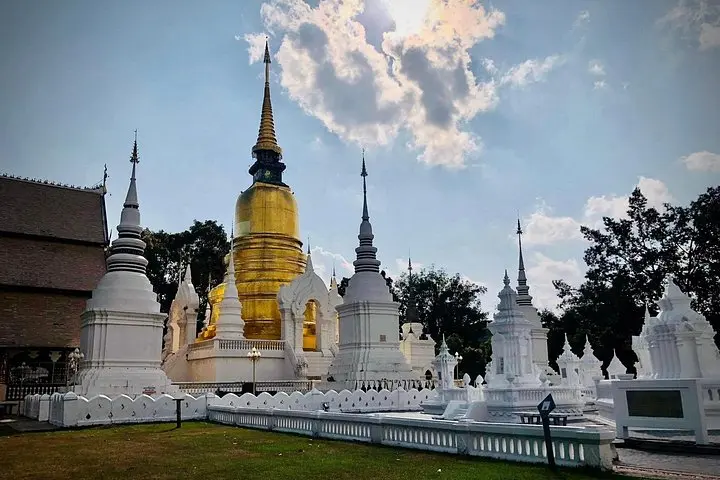
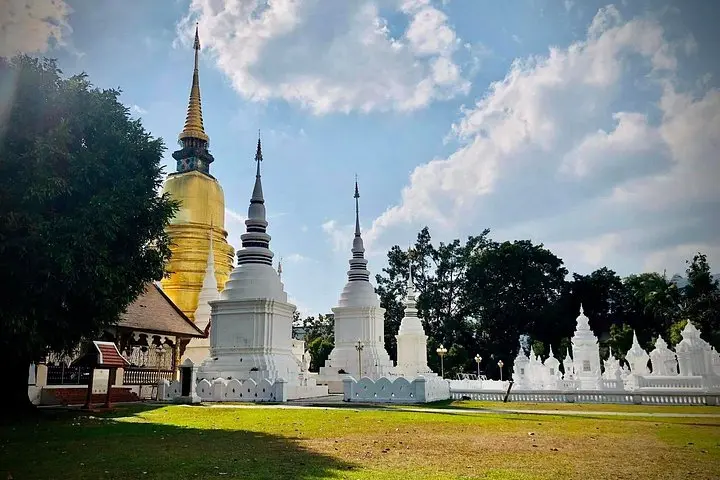
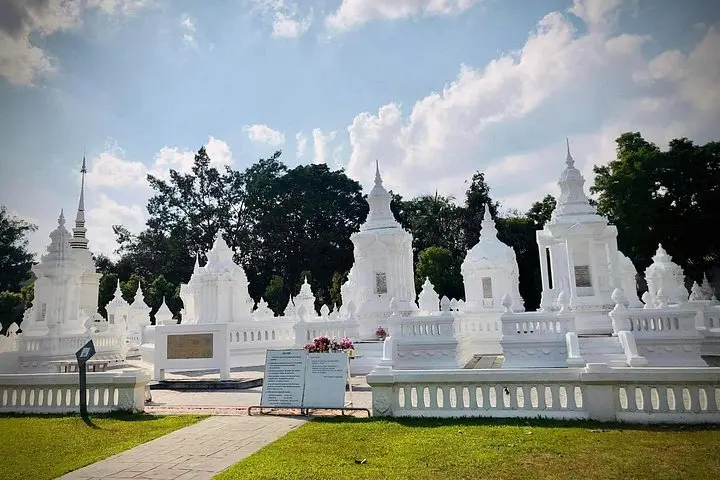
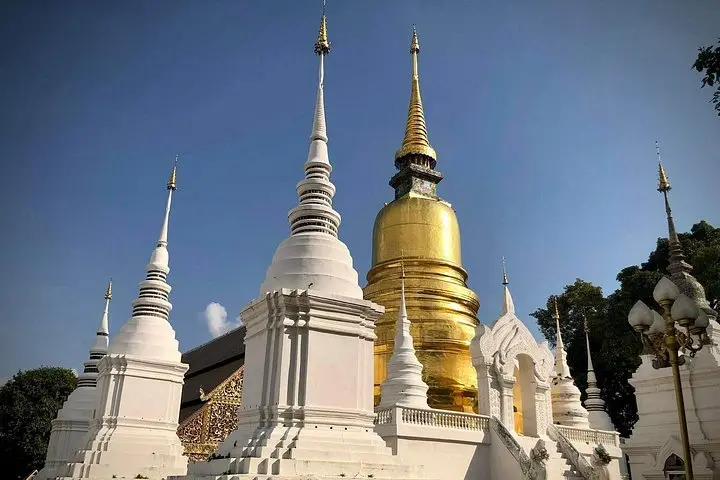
You step out of a cool minivan into mountain air that tastes faintly of incense and damp earth. The road climbs away from Chiang Mai’s grid; the trees press close and the city noise recedes. At Doi Suthep the naga staircase rises, a line of guardians leading toward gilded chedis that catch sunlight and temple bells that puncture the hush. At Wat Umong, tunnels and a small lake open a quieter page—mossed brick and the soft echo of chanting. Wat Suan Dok’s white-washed mausoleums sit in a lawn where history is read in stone and ritual.
You step out of a cool minivan into mountain air that tastes faintly of incense and damp earth. The road climbs away from Chiang Mai’s grid; the trees press close and the city noise recedes. At Doi Suthep the naga staircase rises, a line of guardians leading toward gilded chedis that catch sunlight and temple bells that puncture the hush. At Wat Umong, tunnels and a small lake open a quieter page—mossed brick and the soft echo of chanting. Wat Suan Dok’s white-washed mausoleums sit in a lawn where history is read in stone and ritual.
Doi Suthep dates to the late 14th century and holds relics that made it a pilgrimage focus; Suan Dok began as a royal cremation ground and now houses university-style wiharns; Umong was revived in the 20th century as a meditation center in a forested bowl. Geologically, the route climbs the lower slopes of Doi Suthep, where lateritic soils give way to evergreen scrub and mature teak patches. Culturally, you’ll meet resident monks, offering bowls of silent practice and occasional chants—this is living heritage, not a museum.
Practically: expect 4–5 hours, private transport, short guided walks and choices—take the 306-step stair or the cable car at Doi Suthep. Dress respectfully (shoulders and knees covered), wear good walking shoes for uneven stone, and carry water; steps and temple grounds can be hot and, in wet months, slippery. A private guide will tailor pace and time, but plan for quiet observation windows and brief photography etiquette. This half-day tour is compact, historically rich, and easy to pace for travelers who want both scenery and cultural depth without a full-day commitment.