THE ADVENTURE COLLECTIVE® · Independent discovery and booking for outdoor travel

Trade the city for a half-day among Chianti’s vineyards: two winery visits, guided tastings of Chianti Classico wines paired with Tuscan bites, and a stop in medieval Monteriggioni. Perfect for travelers who want a compact, sensory introduction to Tuscany’s wine country.
Trade the city for a half-day among Chianti’s vineyards: two winery visits, guided tastings of Chianti Classico wines paired with Tuscan bites, and a stop in medieval Monteriggioni. Perfect for travelers who want a compact, sensory introduction to Tuscany’s wine country.
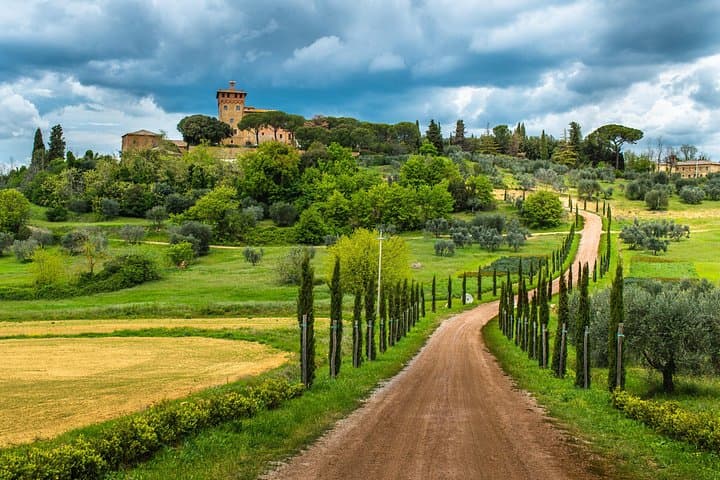
You step off the coach into an open lane where Chianti’s hills roll away in green bands, vineyards leaning like rows of waiting hands. Cypress lines and olive groves frame the view; the air carries fermenting grape sweetness and wood smoke from distant farmhouses.
Verified experiences and guided adventures in the surrounding area.
Operated by Veditalia · Monteriggioni, Tuscany
You step off the coach into an open lane where Chianti’s hills roll away in green bands, vineyards leaning like rows of waiting hands. Cypress lines and olive groves frame the view; the air carries fermenting grape sweetness and wood smoke from distant farmhouses.
This half-day tour threads through the Chianti Classico zone between Florence and Siena, a landscape shaped by Pliocene clays and limestone that give Chianti wines their mineral backbone. Wine culture here dates to Etruscan and medieval times; Monteriggioni’s 13th-century walls—stone, compact and stubborn—offer a short historical counterpoint to the modern cellars you’ll visit.
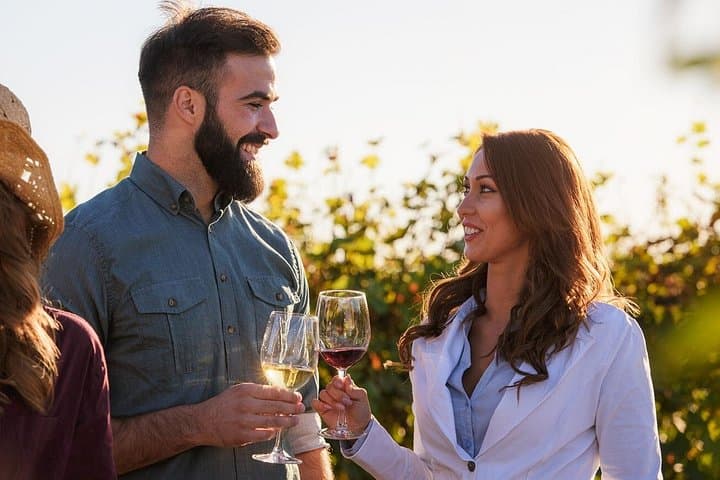
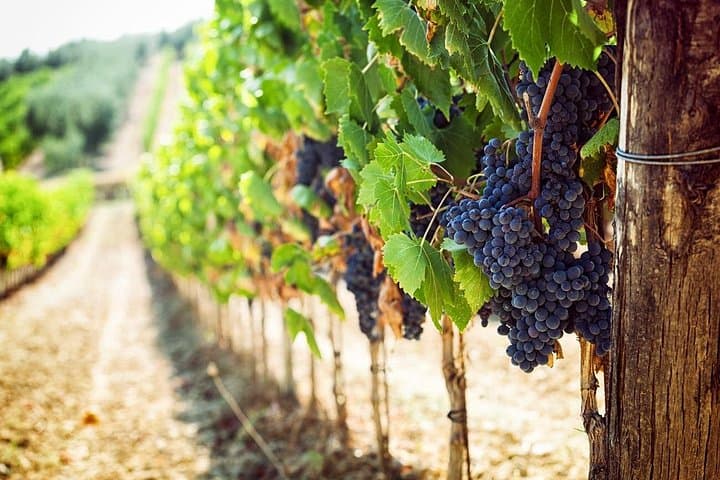
At two family-run wineries, winemakers explain vineyard exposure, Sangiovese’s role in Chianti Classico DOCG, and cellar practices while you taste up to seven wines paired with bruschetta, salami, pecorino, and local olive oil. Tasting is practical: learn to assess acidity, tannin, and balance, and how food shifts a wine’s profile.
Before returning to Florence there’s free time in Monteriggioni to walk the piazza and take in the ramparts’ views.
Practical guidance: travel light and wear comfortable walking shoes—wineries often have gravel, steps, and uneven cellar floors. Bring a refillable water bottle and a light layer; rural afternoons can be warm, cellars cool. Book morning departures for softer light and smaller crowds, and let your palate reset between pours with local bread and water. This is an easy, sensory-rich introduction to Chianti—more about tasting and culture than strenuous activity.
Yes — the tour includes round-trip transportation by air-conditioned coach from Florence.
Yes — inform the operator at booking; many wineries can accommodate common dietary needs with advance notice.
Absolutely — tastings are guided with explanations about grape varieties, tasting methods, and food pairing basics.
The stop in Monteriggioni is free time for independent exploration of the walls and piazza, not a guided tour.
Veditalia operates guided outdoor trips and adventures with an emphasis on safety, stewardship, and memorable experiences.

You step off the coach into an open lane where Chianti’s hills roll away in green bands, vineyards leaning like rows of waiting hands. Cypress lines and olive groves frame the view; the air carries fermenting grape sweetness and wood smoke from distant farmhouses.
You step off the coach into an open lane where Chianti’s hills roll away in green bands, vineyards leaning like rows of waiting hands. Cypress lines and olive groves frame the view; the air carries fermenting grape sweetness and wood smoke from distant farmhouses.
This half-day tour threads through the Chianti Classico zone between Florence and Siena, a landscape shaped by Pliocene clays and limestone that give Chianti wines their mineral backbone. Wine culture here dates to Etruscan and medieval times; Monteriggioni’s 13th-century walls—stone, compact and stubborn—offer a short historical counterpoint to the modern cellars you’ll visit.
At two family-run wineries, winemakers explain vineyard exposure, Sangiovese’s role in Chianti Classico DOCG, and cellar practices while you taste up to seven wines paired with bruschetta, salami, pecorino, and local olive oil. Tasting is practical: learn to assess acidity, tannin, and balance, and how food shifts a wine’s profile.
Before returning to Florence there’s free time in Monteriggioni to walk the piazza and take in the ramparts’ views.
Practical guidance: travel light and wear comfortable walking shoes—wineries often have gravel, steps, and uneven cellar floors. Bring a refillable water bottle and a light layer; rural afternoons can be warm, cellars cool. Book morning departures for softer light and smaller crowds, and let your palate reset between pours with local bread and water. This is an easy, sensory-rich introduction to Chianti—more about tasting and culture than strenuous activity.