THE ADVENTURE COLLECTIVE® · Independent discovery and booking for outdoor travel

Cross the border from Victoria Falls for a focused half-day in Chobe National Park—choose a 3-hour game drive or river cruise to watch the world’s largest elephant herds gather on the riverbanks. Practical tips and what to expect from the journey.
Cross the border from Victoria Falls for a focused half-day in Chobe National Park—choose a 3-hour game drive or river cruise to watch the world’s largest elephant herds gather on the riverbanks. Practical tips and what to expect from the journey.
You step out of the air-conditioned vehicle and the river takes over—broad, slow water that seems to push the trees into sharper relief. Early light picks out eyebrows of mud on elephant tusks; distant horns of buffalo punctuate the plain. On a half-day into Chobe National Park the landscape becomes a living map of water and wildlife, where the river dares you to watch closely.
Verified experiences and guided adventures in the surrounding area.
Operated by Afro Dawn Safaris · Kasane, Chobe District
You step out of the air-conditioned vehicle and the river takes over—broad, slow water that seems to push the trees into sharper relief. Early light picks out eyebrows of mud on elephant tusks; distant horns of buffalo punctuate the plain. On a half-day into Chobe National Park the landscape becomes a living map of water and wildlife, where the river dares you to watch closely.
Chobe was officially designated a national park in 1968 and protects one of southern Africa’s richest riverine ecosystems. Geologically the park is defined by the Chobe River corridor and its seasonal floodplains—silt and sandbanks that shape where game gathers and where hippos graze. The human story ties to local Tswana communities and to cross-border trade at Kazungula, where colonial and modern borders meet the river.
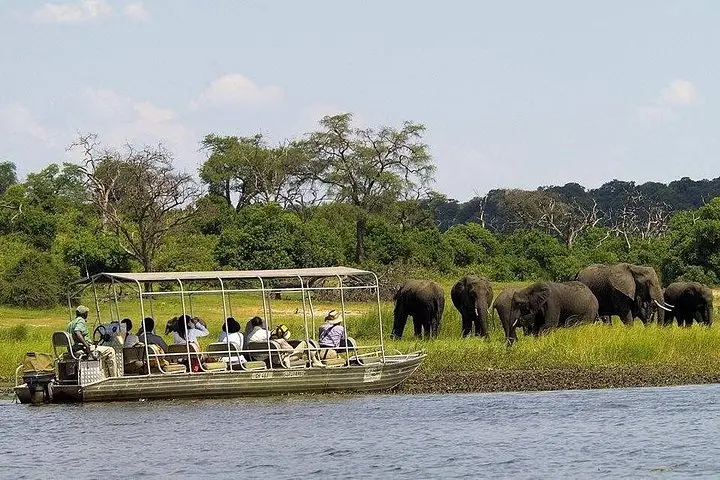
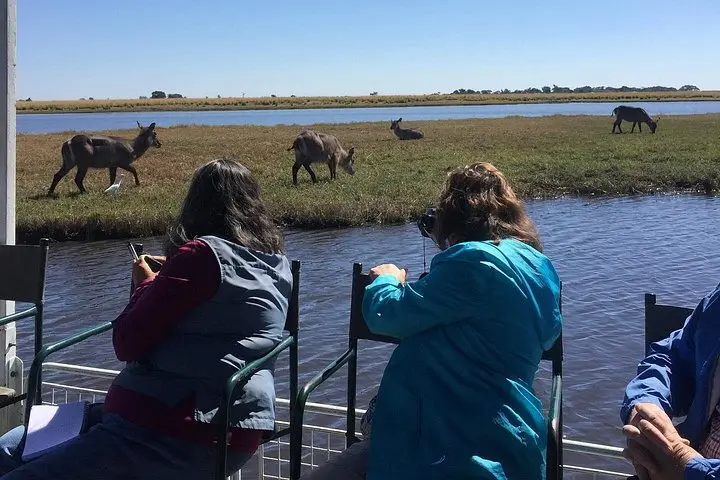
On this tour you’ll cross from Victoria Falls into Botswana, spend roughly three hours on either a game drive or a river cruise, pause for lunch, then return. Expect concentrated sightings of elephants, buffalo, zebra and hippo; predator sightings are possible but less frequent. Guides read the land—tracks, dung, flattened grass—and translate animal behavior into timing and distance.
Practical edge: bring your passport and any required visas, wear sun-protective clothing, and carry small denominations of local currency for optional tips or border fees. Binoculars and a telephoto lens add range; a light jacket is useful for early mornings. The trip is organized, accessible for most fitness levels, and best scheduled in the dry season when animals concentrate along the river.
Yes — this tour crosses the Botswana–Zimbabwe border. Most visitors need a passport; visa requirements depend on nationality, so check in advance and carry local currency for any border fees.
Both offer strong wildlife viewing; game drives can be better for predators and large herds on land, while cruises give excellent views of elephants at the water’s edge and hippo pods in channels.
Bottled water is included and there is a scheduled lunch break; if you have dietary needs, notify the operator ahead of time.
No — guides increase chances by choosing locations strategically, but wildlife is wild; seasons and recent rains influence concentrations and visibility.
Afro Dawn Safaris operates guided outdoor trips and adventures with an emphasis on safety, stewardship, and memorable experiences.
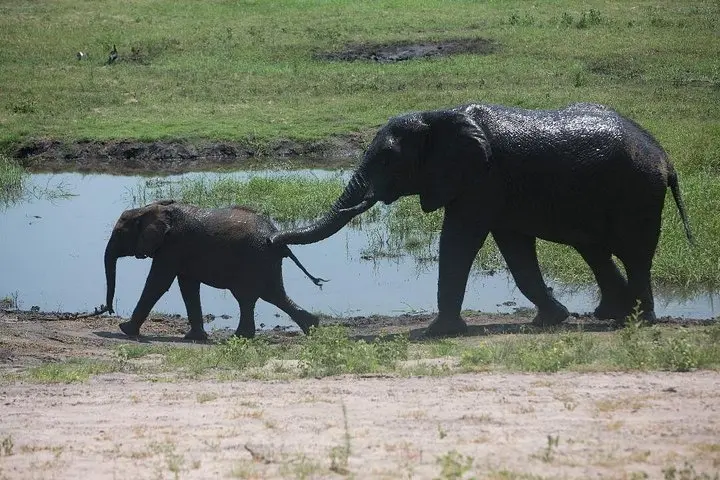
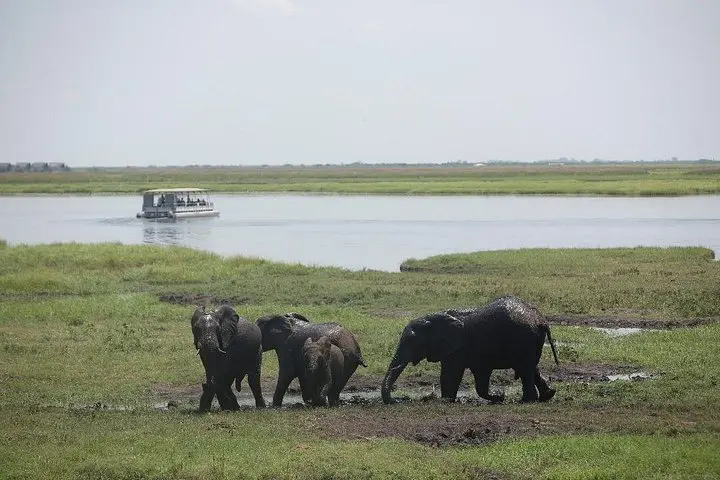
You step out of the air-conditioned vehicle and the river takes over—broad, slow water that seems to push the trees into sharper relief. Early light picks out eyebrows of mud on elephant tusks; distant horns of buffalo punctuate the plain. On a half-day into Chobe National Park the landscape becomes a living map of water and wildlife, where the river dares you to watch closely.
You step out of the air-conditioned vehicle and the river takes over—broad, slow water that seems to push the trees into sharper relief. Early light picks out eyebrows of mud on elephant tusks; distant horns of buffalo punctuate the plain. On a half-day into Chobe National Park the landscape becomes a living map of water and wildlife, where the river dares you to watch closely.
Chobe was officially designated a national park in 1968 and protects one of southern Africa’s richest riverine ecosystems. Geologically the park is defined by the Chobe River corridor and its seasonal floodplains—silt and sandbanks that shape where game gathers and where hippos graze. The human story ties to local Tswana communities and to cross-border trade at Kazungula, where colonial and modern borders meet the river.
On this tour you’ll cross from Victoria Falls into Botswana, spend roughly three hours on either a game drive or a river cruise, pause for lunch, then return. Expect concentrated sightings of elephants, buffalo, zebra and hippo; predator sightings are possible but less frequent. Guides read the land—tracks, dung, flattened grass—and translate animal behavior into timing and distance.
Practical edge: bring your passport and any required visas, wear sun-protective clothing, and carry small denominations of local currency for optional tips or border fees. Binoculars and a telephoto lens add range; a light jacket is useful for early mornings. The trip is organized, accessible for most fitness levels, and best scheduled in the dry season when animals concentrate along the river.