THE ADVENTURE COLLECTIVE® · Independent discovery and booking for outdoor travel

Glide through tidal channels and listen to howler monkeys on this half-day from Guayaquil. Explore mangrove-lined estuaries by canoe with a local naturalist and spot spoonbills, ospreys and kingfishers.
Glide through tidal channels and listen to howler monkeys on this half-day from Guayaquil. Explore mangrove-lined estuaries by canoe with a local naturalist and spot spoonbills, ospreys and kingfishers.
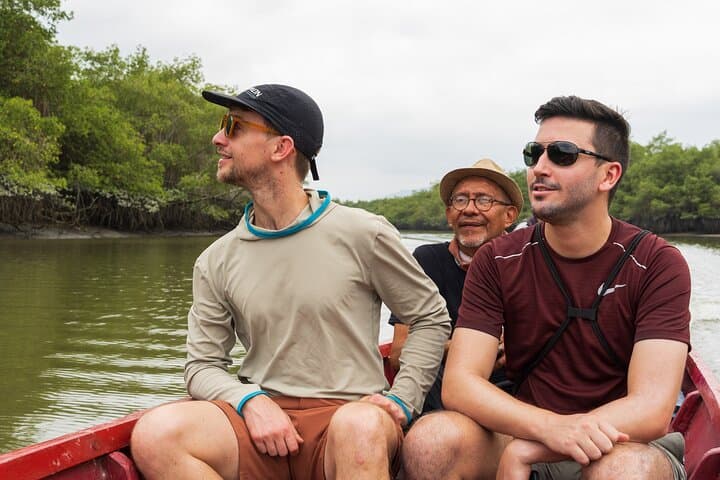
You step off the air-conditioned van and the air shifts — warmer, tangy with brackish water and leaf decay, the estuary calling you forward. A local naturalist meets the group, points to a channel where ospreys ride the thermals and howler monkeys announce themselves like distant drums. The canoe waits, low and steady, promising a quieter way to read the mangrove edges.
Verified experiences and guided adventures in the surrounding area.
Operated by Yamil Saman Cabrera · Guayaquil, Guayas
You step off the air-conditioned van and the air shifts — warmer, tangy with brackish water and leaf decay, the estuary calling you forward. A local naturalist meets the group, points to a channel where ospreys ride the thermals and howler monkeys announce themselves like distant drums. The canoe waits, low and steady, promising a quieter way to read the mangrove edges.
Churute Ecological Reserve protects coastal wetlands and patches of dry forest where sandy soils meet tidal channels. Geologically the area is a mix of alluvial plains and estuarine sediments; the mangroves act as living buffers, rooting in tidal mud while attracting fish, crustaceans and the birds that hunt them. Human communities around Churute have long balanced fishing and small-scale agriculture with these ecosystems, and local guides often include stories about traditional cast nets and seasonal harvests.
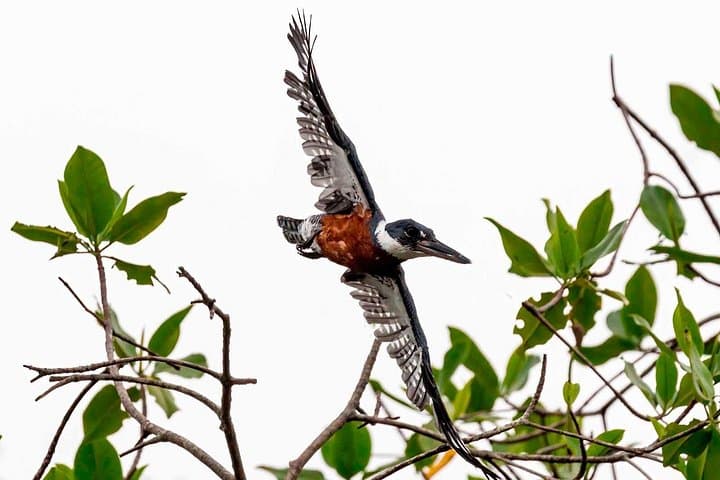
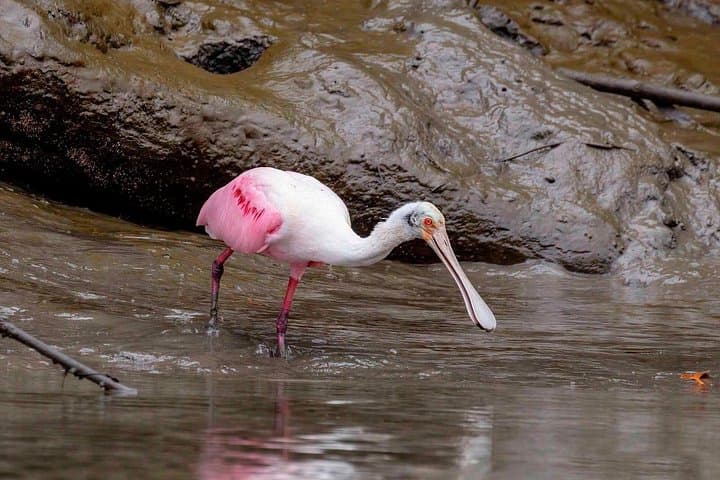
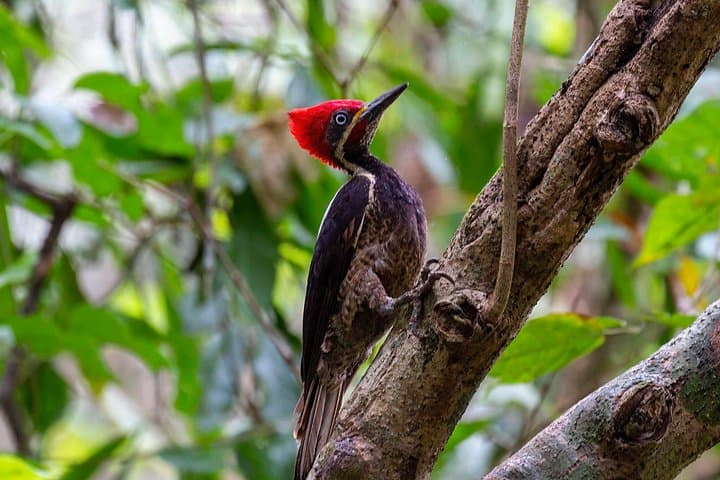
Expect short forest walks and a guided canoe glide through narrow estuary channels. Birdlife is the highlight: kingfishers dart, pink spoonbills wade, and pelicans wheel low over the water. The guide will point out plant uses and tell how mangrove conservation shapes local livelihoods.
Practical tips: bring binoculars, sun protection, and insect repellent; a light rain layer helps during the wet months. The tour covers about 5–6 hours including transport from Guayaquil — pace is gentle but active. Respect the wildlife by keeping noise low and hands off animals; these channels are fragile and will repay careful observation with close wildlife encounters.
Expect roughly 1.5 hours each way by private vehicle; the full tour is about 5–6 hours including transport, canoe time and lunch.
Yes — Churute’s estuary and forest attract shorebirds, waders and raptors; sightings depend on season and time of day but guides focus on known hotspots.
Yes — tours use low, stable canoes and guides handle navigation; passengers need only to sit and follow boarding instructions.
This operator advises against participation for pregnant travelers due to uneven terrain and boat transfers.
Yamil Saman Cabrera operates guided outdoor trips and adventures with an emphasis on safety, stewardship, and memorable experiences.
You step off the air-conditioned van and the air shifts — warmer, tangy with brackish water and leaf decay, the estuary calling you forward. A local naturalist meets the group, points to a channel where ospreys ride the thermals and howler monkeys announce themselves like distant drums. The canoe waits, low and steady, promising a quieter way to read the mangrove edges.
You step off the air-conditioned van and the air shifts — warmer, tangy with brackish water and leaf decay, the estuary calling you forward. A local naturalist meets the group, points to a channel where ospreys ride the thermals and howler monkeys announce themselves like distant drums. The canoe waits, low and steady, promising a quieter way to read the mangrove edges.
Churute Ecological Reserve protects coastal wetlands and patches of dry forest where sandy soils meet tidal channels. Geologically the area is a mix of alluvial plains and estuarine sediments; the mangroves act as living buffers, rooting in tidal mud while attracting fish, crustaceans and the birds that hunt them. Human communities around Churute have long balanced fishing and small-scale agriculture with these ecosystems, and local guides often include stories about traditional cast nets and seasonal harvests.
Expect short forest walks and a guided canoe glide through narrow estuary channels. Birdlife is the highlight: kingfishers dart, pink spoonbills wade, and pelicans wheel low over the water. The guide will point out plant uses and tell how mangrove conservation shapes local livelihoods.
Practical tips: bring binoculars, sun protection, and insect repellent; a light rain layer helps during the wet months. The tour covers about 5–6 hours including transport from Guayaquil — pace is gentle but active. Respect the wildlife by keeping noise low and hands off animals; these channels are fragile and will repay careful observation with close wildlife encounters.