THE ADVENTURE COLLECTIVE® · Independent discovery and booking for outdoor travel

Explore Cusco’s core in a focused half-day tour that links Qorikancha, Sacsayhuamán, Qenqo, Puka Pukara and Tambomachay. Perfect for travelers who want archaeological depth, local context, and a practical primer on high-altitude sightseeing.
Explore Cusco’s core in a focused half-day tour that links Qorikancha, Sacsayhuamán, Qenqo, Puka Pukara and Tambomachay. Perfect for travelers who want archaeological depth, local context, and a practical primer on high-altitude sightseeing.
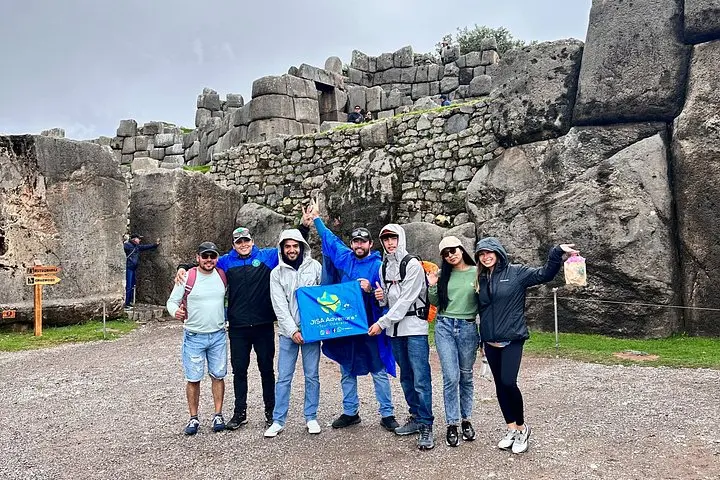
You step out onto the Plaza de Armas and the Andes press close: cool air, a scatter of vendedores, and the deep, patient stones of Cusco waiting to be read. This half-day loop moves from the gilded heart of Qorikancha through the stepped ramparts of Sacsayhuamán to smaller ritual sites that map the Inca worldview across the surrounding hills.
Verified experiences and guided adventures in the surrounding area.
Operated by JISA ADVENTURE · Cusco, Cusco
You step out onto the Plaza de Armas and the Andes press close: cool air, a scatter of vendedores, and the deep, patient stones of Cusco waiting to be read. This half-day loop moves from the gilded heart of Qorikancha through the stepped ramparts of Sacsayhuamán to smaller ritual sites that map the Inca worldview across the surrounding hills.
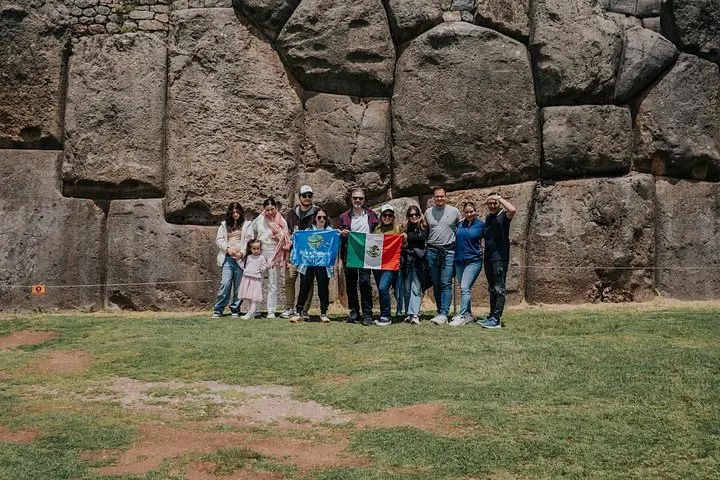
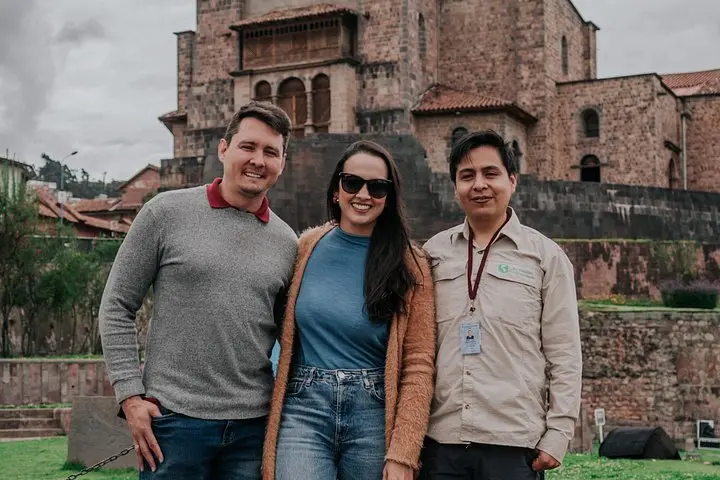
Cusco was the administrative center of the Inca Empire and later the stage for Spanish colonial reconfiguration. The city sits where high Andean geology meets human engineering — carved granite blocks at Sacsayhuamán, finely fitted masonry at Qorikancha, and carved rock chambers at Qenqo. Walks between stops thread through neighborhoods where colonial balconies and narrow alleys tell stories of conquest, adaptation, and living heritage.
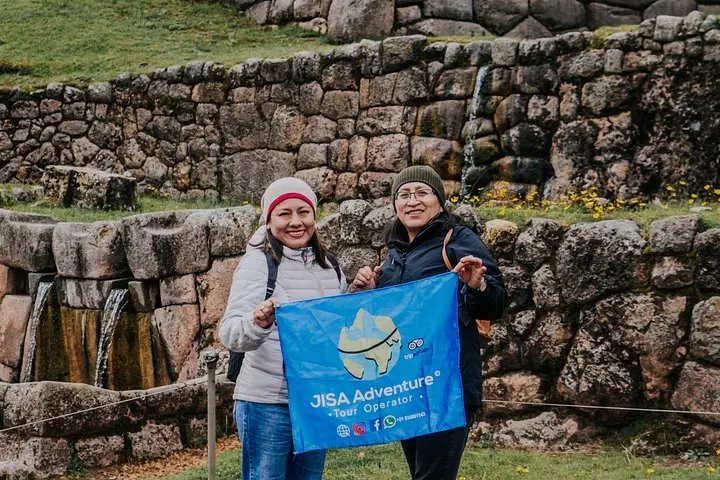
Local guides tie archaeology to daily life: learn about Inca hydraulics at Tambomachay and the defensive layout of Puka Pukara, and hear how modern Cusqueños mix Quechua traditions with Catholic festivals. Expect paved streets, short uphill stretches, and several sets of stone steps; the route is culturally dense rather than technically demanding.
Practical guidance: plan for altitude—move slowly, hydrate, and sit for a few minutes if breathless. Wear comfortable walking shoes and a windproof layer; sun is intense at 3,400 m. Aim for morning departures to avoid crowds and afternoon showers during the wet season. Bring small local currency for entrance fees and market purchases, and keep photography unobtrusive at ritual sites.
This is a 5-hour guided tour that typically visits Qorikancha, Sacsayhuamán, Qenqo, Puka Pucara and Tambomachay with brief driving segments between sites.
Entrance fees are often not included—bring local currency to cover site tickets if not specified in your booking confirmation.
The tour is culturally accessible but includes uneven stone steps and short uphill walks; travelers with significant mobility limitations should check in advance.
Cusco sits around 3,400 m; many visitors experience mild symptoms—rest, hydrate, avoid heavy exertion on your first day, and carry any necessary medication.
JISA ADVENTURE operates guided outdoor trips and adventures with an emphasis on safety, stewardship, and memorable experiences.
You step out onto the Plaza de Armas and the Andes press close: cool air, a scatter of vendedores, and the deep, patient stones of Cusco waiting to be read. This half-day loop moves from the gilded heart of Qorikancha through the stepped ramparts of Sacsayhuamán to smaller ritual sites that map the Inca worldview across the surrounding hills.
You step out onto the Plaza de Armas and the Andes press close: cool air, a scatter of vendedores, and the deep, patient stones of Cusco waiting to be read. This half-day loop moves from the gilded heart of Qorikancha through the stepped ramparts of Sacsayhuamán to smaller ritual sites that map the Inca worldview across the surrounding hills.
Cusco was the administrative center of the Inca Empire and later the stage for Spanish colonial reconfiguration. The city sits where high Andean geology meets human engineering — carved granite blocks at Sacsayhuamán, finely fitted masonry at Qorikancha, and carved rock chambers at Qenqo. Walks between stops thread through neighborhoods where colonial balconies and narrow alleys tell stories of conquest, adaptation, and living heritage.
Local guides tie archaeology to daily life: learn about Inca hydraulics at Tambomachay and the defensive layout of Puka Pukara, and hear how modern Cusqueños mix Quechua traditions with Catholic festivals. Expect paved streets, short uphill stretches, and several sets of stone steps; the route is culturally dense rather than technically demanding.
Practical guidance: plan for altitude—move slowly, hydrate, and sit for a few minutes if breathless. Wear comfortable walking shoes and a windproof layer; sun is intense at 3,400 m. Aim for morning departures to avoid crowds and afternoon showers during the wet season. Bring small local currency for entrance fees and market purchases, and keep photography unobtrusive at ritual sites.