THE ADVENTURE COLLECTIVE® · Independent discovery and booking for outdoor travel

Descend into the Cu Chi Tunnels on a compact half-day tour from Ho Chi Minh City. This guided visit combines a documentary briefing, visits to field kitchens and hospitals, a chance to crawl in reconstructed tunnels, and round-trip transport.
Descend into the Cu Chi Tunnels on a compact half-day tour from Ho Chi Minh City. This guided visit combines a documentary briefing, visits to field kitchens and hospitals, a chance to crawl in reconstructed tunnels, and round-trip transport.
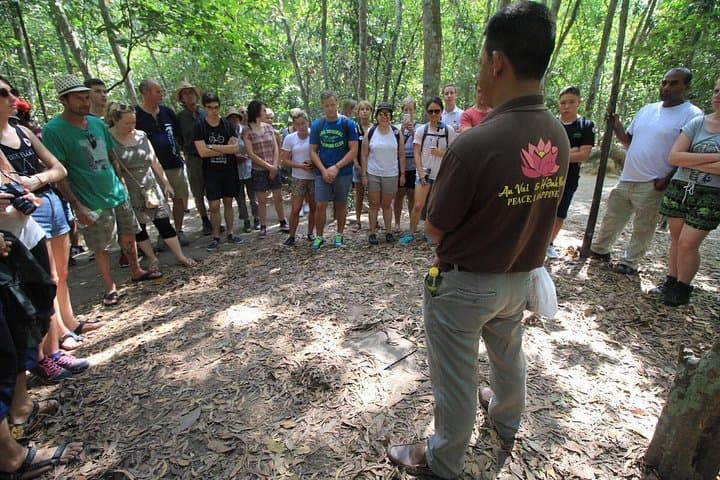
You step out of the van as the afternoon heat presses against the dust of the highway, the city noise already a pale memory. The earth here feels different: compacted, beaten-down, kept for hiding and survival. At the Cu Chi site a docent greets your group and a short documentary sets the scene—what follows is a measured walk through history and a literal descent into the claustrophobic lanes used by guerrilla fighters.
Verified experiences and guided adventures in the surrounding area.
Operated by Vietnam Travel Landscape · Cu Chi, Ho Chi Minh
You step out of the van as the afternoon heat presses against the dust of the highway, the city noise already a pale memory. The earth here feels different: compacted, beaten-down, kept for hiding and survival. At the Cu Chi site a docent greets your group and a short documentary sets the scene—what follows is a measured walk through history and a literal descent into the claustrophobic lanes used by guerrilla fighters.
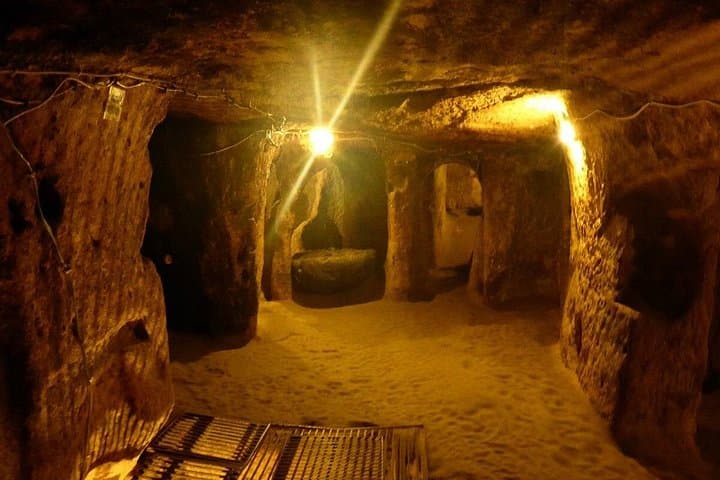
The tunnels are part of a larger network that stretches more than 220 km across the region and played a crucial role during the American war in Vietnam. Geologically the area is flat alluvial plain—hard-packed clay and sand that made narrow, concealed passages practical to dig and to camouflage. Cultural touches remain: replica kitchens, field hospitals and weapon workshops that show how daily life continued under siege.
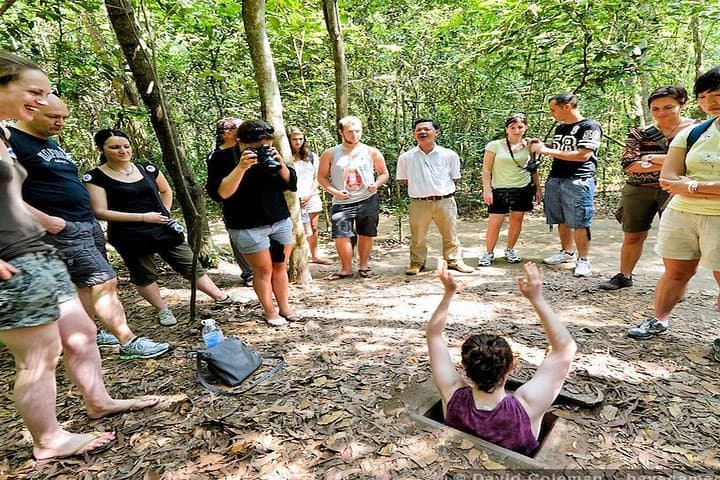
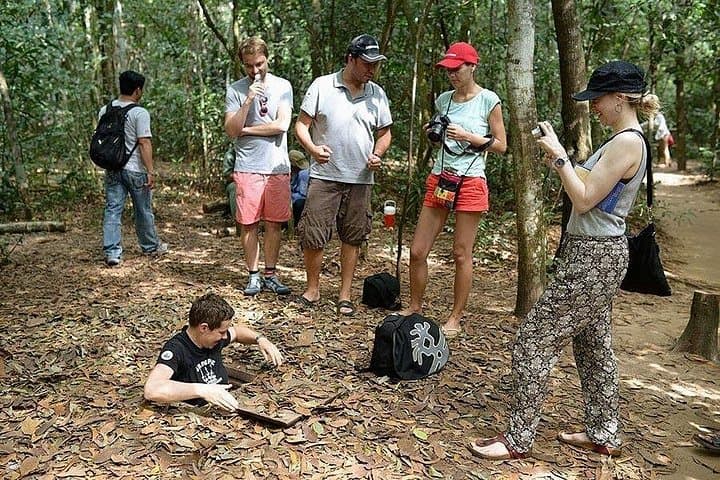
Expect a mix of outdoor exhibits and short, low-headroom tunnels that require stooping or crawling; guides will demonstrate trapdoors and rationing techniques. The tour includes manioc sampling, a short shooting-range option nearby (optional) and round-trip transport from Ho Chi Minh City, about a 1.5-hour drive each way. Tours run twice daily and last roughly six hours including transfers.
Practical edge: wear closed-toe shoes, bring insect repellent and a light layer for the cool tunnel interiors. Photography is allowed in most areas but respect memorial spaces. The visit is compact but intense—an accessible half-day that combines field interpretation with an immersive, tactile sense of wartime ingenuity.
The drive is approximately 1.5 hours each way, depending on traffic; the full tour is around 6 hours including transfers.
Parts of the site include preserved original sections and reconstructed demonstrations to show how living spaces, kitchens and traps functioned.
Some sections offer optional short crawls in low-ceilinged tunnel replicas; alternative viewing areas are available for those who prefer not to crawl.
Shooting at the nearby range is usually optional and arranged separately during the tour; it may require extra fees and identification.
Vietnam Travel Landscape operates guided outdoor trips and adventures with an emphasis on safety, stewardship, and memorable experiences.
You step out of the van as the afternoon heat presses against the dust of the highway, the city noise already a pale memory. The earth here feels different: compacted, beaten-down, kept for hiding and survival. At the Cu Chi site a docent greets your group and a short documentary sets the scene—what follows is a measured walk through history and a literal descent into the claustrophobic lanes used by guerrilla fighters.
You step out of the van as the afternoon heat presses against the dust of the highway, the city noise already a pale memory. The earth here feels different: compacted, beaten-down, kept for hiding and survival. At the Cu Chi site a docent greets your group and a short documentary sets the scene—what follows is a measured walk through history and a literal descent into the claustrophobic lanes used by guerrilla fighters.
The tunnels are part of a larger network that stretches more than 220 km across the region and played a crucial role during the American war in Vietnam. Geologically the area is flat alluvial plain—hard-packed clay and sand that made narrow, concealed passages practical to dig and to camouflage. Cultural touches remain: replica kitchens, field hospitals and weapon workshops that show how daily life continued under siege.
Expect a mix of outdoor exhibits and short, low-headroom tunnels that require stooping or crawling; guides will demonstrate trapdoors and rationing techniques. The tour includes manioc sampling, a short shooting-range option nearby (optional) and round-trip transport from Ho Chi Minh City, about a 1.5-hour drive each way. Tours run twice daily and last roughly six hours including transfers.
Practical edge: wear closed-toe shoes, bring insect repellent and a light layer for the cool tunnel interiors. Photography is allowed in most areas but respect memorial spaces. The visit is compact but intense—an accessible half-day that combines field interpretation with an immersive, tactile sense of wartime ingenuity.