THE ADVENTURE COLLECTIVE® · Independent discovery and booking for outdoor travel

Experience Kenya’s 42 ethnic groups through dance, music, and reconstructed homesteads at Bomas of Kenya. This four-hour tour from Nairobi combines guided context, live performances, and a stop at Maasai Market for local crafts.
Experience Kenya’s 42 ethnic groups through dance, music, and reconstructed homesteads at Bomas of Kenya. This four-hour tour from Nairobi combines guided context, live performances, and a stop at Maasai Market for local crafts.
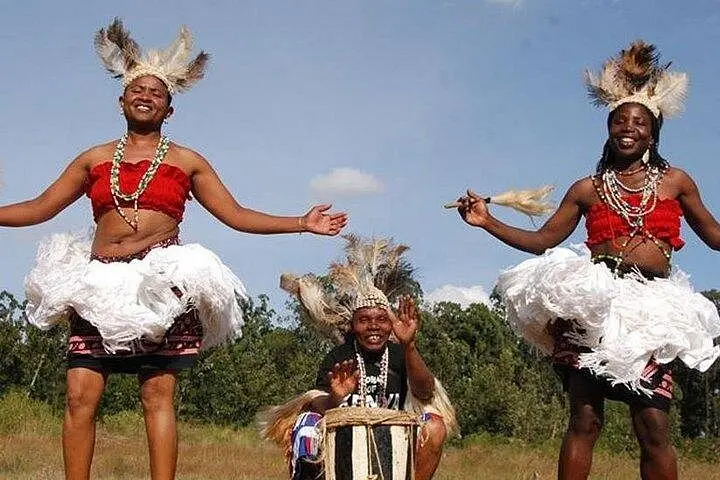
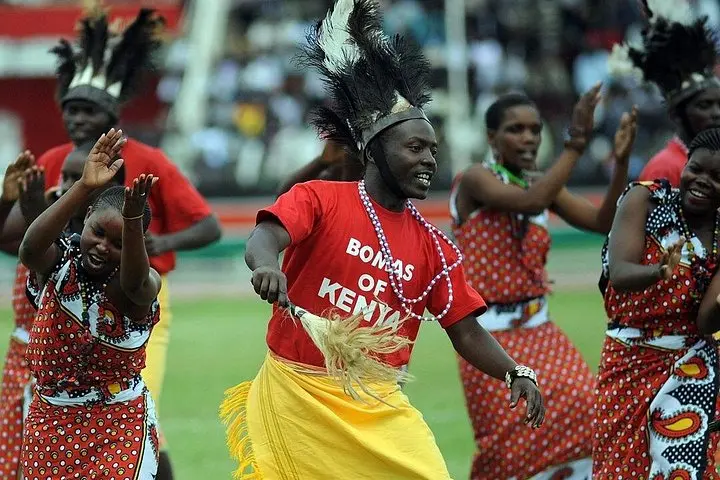
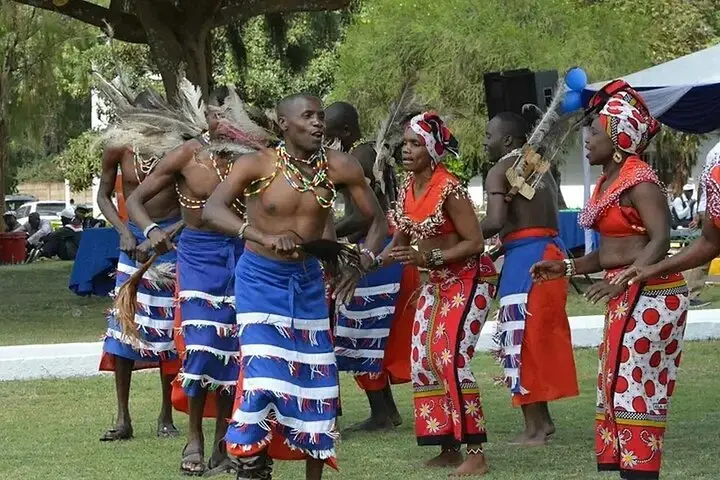
Late-afternoon heat softens over Nairobi as a small coach eases off Lang'ata Road and drops visitors at the low-slung compound of Bomas of Kenya. The arena hums with drums; performers in bright cloth move with practiced force, and the air fills with chants that map decades of ritual and social life.
Verified experiences and guided adventures in the surrounding area.
Operated by Gracepatt Safaris · Nairobi, Nairobi County
Late-afternoon heat softens over Nairobi as a small coach eases off Lang'ata Road and drops visitors at the low-slung compound of Bomas of Kenya. The arena hums with drums; performers in bright cloth move with practiced force, and the air fills with chants that map decades of ritual and social life.
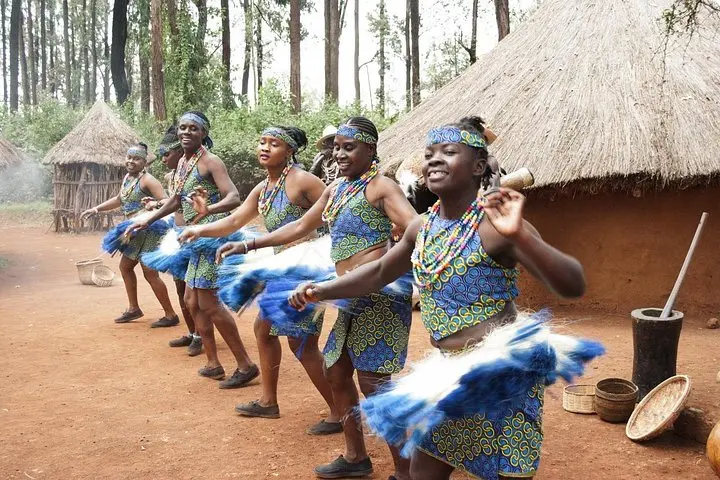
Bomas of Kenya was created in the 1970s to preserve and display the architectural styles and cultural practices of Kenya's 42 ethnic groups. The site doubles as a living museum: reproduced homesteads, thatched roofs, and public arenas illustrate regional building methods and community roles shaped by the Rift Valley's geology and Kenya's plateaus. Dance troupes interpret courtship, harvest, warrior, and initiation rites—each rhythm a compact lesson in history and social structure.
Visitors also get a short guided village tour and access to the nearby Maasai Market in Karen, where beadwork and woven goods reveal contemporary craft economies. The experience is largely accessible—standing and short walks—making it family-friendly and suitable for most travelers.
Practical guidance: tours run about four hours with hotel pickup and drop-off in Nairobi and typically start early afternoon; confirm pickup time when booking. Bring comfortable shoes for walking between exhibits, a refillable water bottle, and sun protection for outdoor areas. Photography of performances is usually allowed but check with guides and be respectful when photographing people in ceremonial dress. Note infants must sit on laps and the activity is rated easy physically. Arrive with small local currency for market purchases; many stalls accept cash only.
The tour runs about four hours total, including hotel pickup, the guided village tour, performances, and market time.
Yes—pickup and drop-off from Nairobi hotels are included; confirm your pickup point and time when booking.
Yes—performances are family-friendly and the activity is rated easy, though infants must sit on an adult’s lap.
Yes; the itinerary includes entry to Maasai Market Collections in Karen—bring small cash for purchases as many vendors prefer it.
Gracepatt Safaris operates guided outdoor trips and adventures with an emphasis on safety, stewardship, and memorable experiences.
Late-afternoon heat softens over Nairobi as a small coach eases off Lang'ata Road and drops visitors at the low-slung compound of Bomas of Kenya. The arena hums with drums; performers in bright cloth move with practiced force, and the air fills with chants that map decades of ritual and social life.
Late-afternoon heat softens over Nairobi as a small coach eases off Lang'ata Road and drops visitors at the low-slung compound of Bomas of Kenya. The arena hums with drums; performers in bright cloth move with practiced force, and the air fills with chants that map decades of ritual and social life.
Bomas of Kenya was created in the 1970s to preserve and display the architectural styles and cultural practices of Kenya's 42 ethnic groups. The site doubles as a living museum: reproduced homesteads, thatched roofs, and public arenas illustrate regional building methods and community roles shaped by the Rift Valley's geology and Kenya's plateaus. Dance troupes interpret courtship, harvest, warrior, and initiation rites—each rhythm a compact lesson in history and social structure.
Visitors also get a short guided village tour and access to the nearby Maasai Market in Karen, where beadwork and woven goods reveal contemporary craft economies. The experience is largely accessible—standing and short walks—making it family-friendly and suitable for most travelers.
Practical guidance: tours run about four hours with hotel pickup and drop-off in Nairobi and typically start early afternoon; confirm pickup time when booking. Bring comfortable shoes for walking between exhibits, a refillable water bottle, and sun protection for outdoor areas. Photography of performances is usually allowed but check with guides and be respectful when photographing people in ceremonial dress. Note infants must sit on laps and the activity is rated easy physically. Arrive with small local currency for market purchases; many stalls accept cash only.