THE ADVENTURE COLLECTIVE® · Independent discovery and booking for outdoor travel

Explore Saranda’s layered history on a four-hour tour that combines hilltop views from Lekuresi Castle with close-up visits to museums, an art gallery and a late-antique synagogue complex. Ideal for travelers who want concentrated cultural context with coastal scenery.
Explore Saranda’s layered history on a four-hour tour that combines hilltop views from Lekuresi Castle with close-up visits to museums, an art gallery and a late-antique synagogue complex. Ideal for travelers who want concentrated cultural context with coastal scenery.
A warm Ionian wind greets you as the minivan climbs the road above Saranda, the blue of the bay widening beneath the terraces of white houses.
Verified experiences and guided adventures in the surrounding area.
Operated by Tea Tours · Saranda, Vlorë County
A warm Ionian wind greets you as the minivan climbs the road above Saranda, the blue of the bay widening beneath the terraces of white houses.
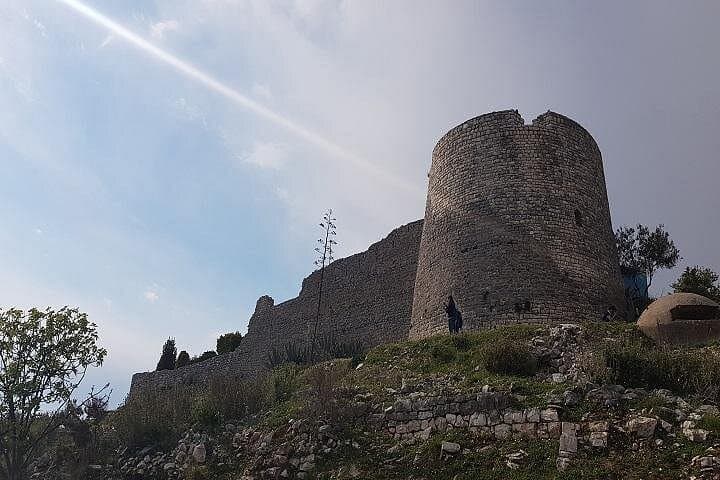
This four-hour circuit drops you into the city’s layered past: Roman and Byzantine remains, Ottoman-era echoes and the island silhouette of Corfu on the horizon. Start at Lekuresi Castle — a 16th-century hill fortress — where stone ramps and defensive walls open to sweeping views over the Saranda bay, Ksamil islands and the coastal road toward Butrint.
The tour threads through civic history in compact steps: the Archaeological Museum’s numismatic displays, a small but informative Heritage Museum, an art gallery highlighting local contemporary practice, and the Incoming Gate of Onhezmi — the city’s ancient threshold. Inside Lekuresi’s eastern flank you’ll find the V–VI century synagogue complex that later became a Paleochristian basilica, a physical palimpsest of faith and reuse.
Expect mostly paved streets, short stair sections and uneven archaeological surfaces; the pace is relaxed but involves walking between sites and up to the hilltop fortress.
Practical notes: mornings and late afternoons are cooler and offer softer light for photos; carry cash for small museum donations and local vendors. Footwear with good tread helps on castle stones. Hydration, sun protection and a light layer for breezy hilltop exposure will keep the visit comfortable. For travelers who like history with coastal air, this half-day tour packs local archaeology, sweeping views and clear cultural context into a compact, accessible outing.
The tour runs about four hours and visits Lekuresi Castle, several museums, an art gallery and historic sites in central Saranda.
Admission specifics vary; the tour description lists museums and monuments but check the booking details — small local fees or donations may apply on site.
The operator notes stroller accessibility for flat sections, but the castle and archaeological areas have stairs and uneven surfaces that make full stroller access limited.
Yes — on clear days Lekuresi Castle provides visible views across the channel to Corfu and the nearby Ksamil islands.
Tea Tours operates guided outdoor trips and adventures with an emphasis on safety, stewardship, and memorable experiences.
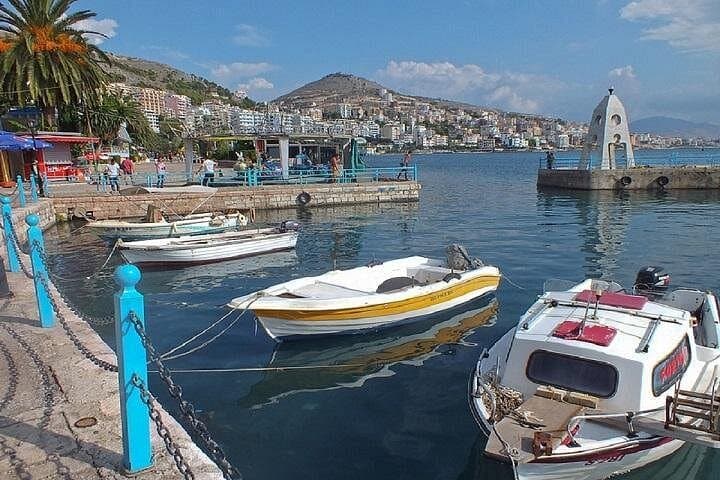
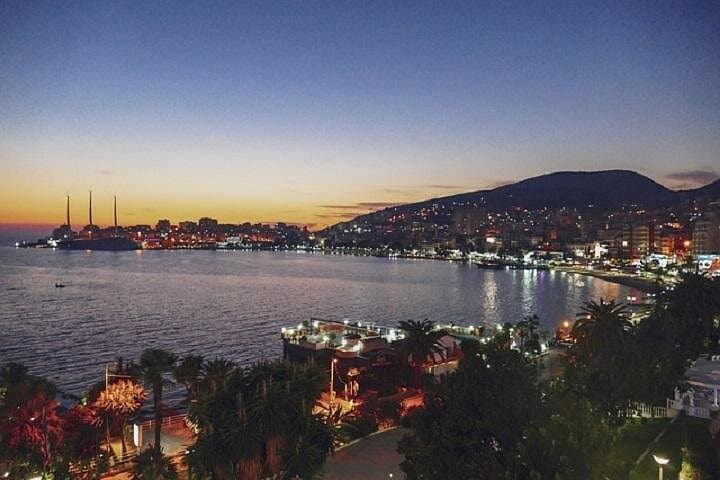
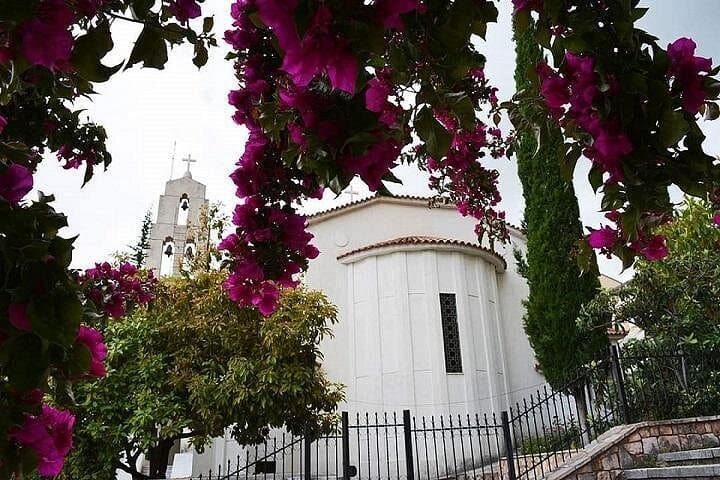
A warm Ionian wind greets you as the minivan climbs the road above Saranda, the blue of the bay widening beneath the terraces of white houses.
A warm Ionian wind greets you as the minivan climbs the road above Saranda, the blue of the bay widening beneath the terraces of white houses.
This four-hour circuit drops you into the city’s layered past: Roman and Byzantine remains, Ottoman-era echoes and the island silhouette of Corfu on the horizon. Start at Lekuresi Castle — a 16th-century hill fortress — where stone ramps and defensive walls open to sweeping views over the Saranda bay, Ksamil islands and the coastal road toward Butrint.
The tour threads through civic history in compact steps: the Archaeological Museum’s numismatic displays, a small but informative Heritage Museum, an art gallery highlighting local contemporary practice, and the Incoming Gate of Onhezmi — the city’s ancient threshold. Inside Lekuresi’s eastern flank you’ll find the V–VI century synagogue complex that later became a Paleochristian basilica, a physical palimpsest of faith and reuse.
Expect mostly paved streets, short stair sections and uneven archaeological surfaces; the pace is relaxed but involves walking between sites and up to the hilltop fortress.
Practical notes: mornings and late afternoons are cooler and offer softer light for photos; carry cash for small museum donations and local vendors. Footwear with good tread helps on castle stones. Hydration, sun protection and a light layer for breezy hilltop exposure will keep the visit comfortable. For travelers who like history with coastal air, this half-day tour packs local archaeology, sweeping views and clear cultural context into a compact, accessible outing.