THE ADVENTURE COLLECTIVE® · Independent discovery and booking for outdoor travel

Move from Qoricancha’s sun-worn walls to the ramparts of Sacsayhuamán on a 5–6 hour half-day circuit around Cusco’s major Inca sites. This practical guide covers what to expect, altitude tips, and how to make the most of each ruin.
Move from Qoricancha’s sun-worn walls to the ramparts of Sacsayhuamán on a 5–6 hour half-day circuit around Cusco’s major Inca sites. This practical guide covers what to expect, altitude tips, and how to make the most of each ruin.
Morning light in Cusco hits the stone like a wake-up call — Quechua voices and taxi horns recede as the group gathers at Qoricancha, the Temple of the Sun. Granite plazas and broad Inca ramps set the pace for a half-day circuit that moves from the city’s colonial heart into the high terraces above it.
Verified experiences and guided adventures in the surrounding area.
Operated by DONPeruTours · Cusco, Cusco
Morning light in Cusco hits the stone like a wake-up call — Quechua voices and taxi horns recede as the group gathers at Qoricancha, the Temple of the Sun. Granite plazas and broad Inca ramps set the pace for a half-day circuit that moves from the city’s colonial heart into the high terraces above it.
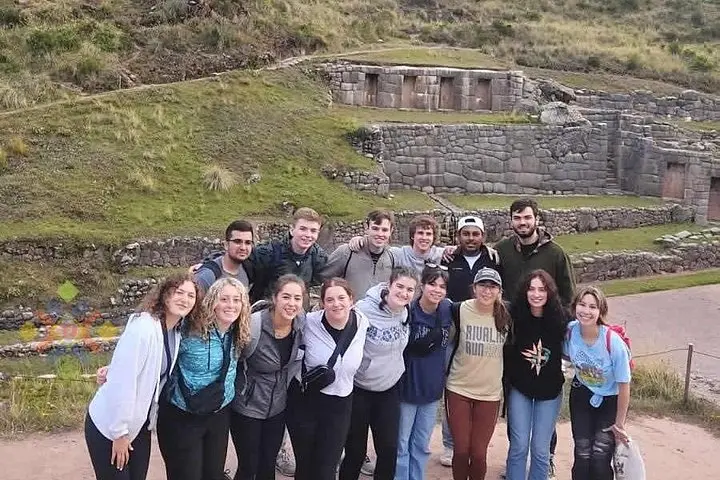
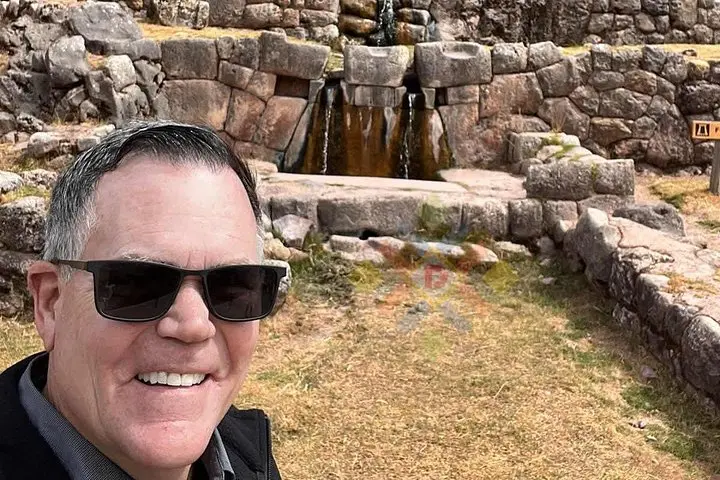
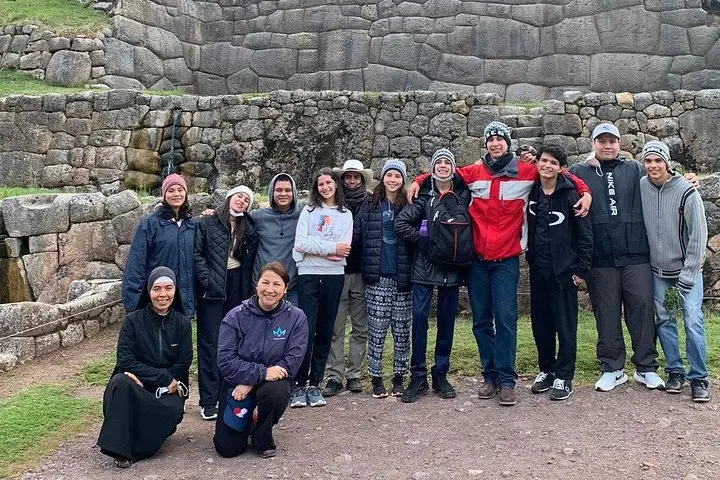
The route links sites that reveal layers of power: Qoricancha’s precisely cut walls under the shadow of a Spanish convent, then Sacsayhuamán’s towering polygonal stones and sweeping ramparts where the wind seems to push visitors forward. Qenqo offers a carved rock amphitheater with sacrificial niches; Puca Pucara reads as a military control point; Tambomachay’s water channels remind travelers of the Inca mastery of hydraulics. Geologically the area sits on uplifted Andean bedrock with terraces carved into steep slopes — expect rocky walking and abrupt elevation changes.
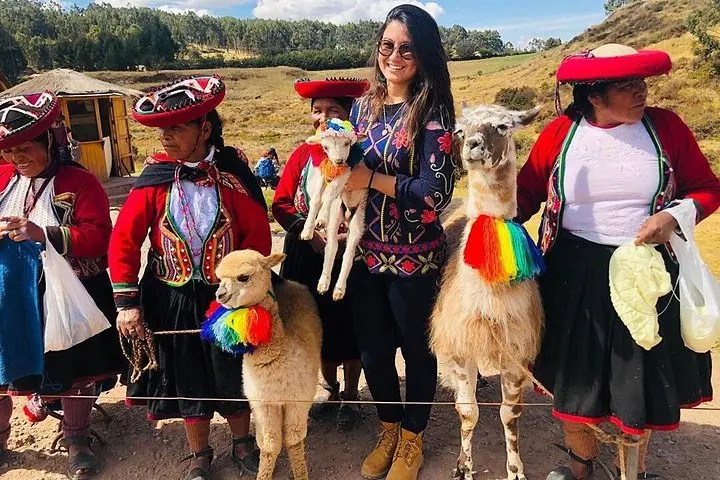
Culturally, guides will point out how Inca ceremonial space was repurposed by the Spanish, and how modern Cusqueños live side-by-side with these ruins.
Practical notes: allow 5–6 hours, bring water and sun protection, and factor in altitude — Cusco sits above 3,300 m, so move deliberately and drink often. Comfortable, grippy shoes and layered clothing are essential; mornings can be chilly, afternoons sunny. The loop finishes near Plaza de Armas with options to linger in San Blas or visit local markets. For travelers wanting a focused, accessible introduction to the Sacred Valley’s urban archaeology, this half-day circuit delivers clear history, dramatic stonework, and a manageable dose of high-Andean exposure.
Admissions are not included on this shared city circuit; some sites require a Boleto Turístico to enter, so confirm with your operator or buy tickets at local kiosks.
Cusco sits around 3,300–3,500 m; common symptoms include breathlessness and headache — pace yourself, hydrate, and avoid heavy meals or alcohol before touring.
Basic facilities are available at major sites and in Cusco; bring hand sanitizer and small change for entry or toilets at smaller stops.
Most archaeological sites have uneven stone surfaces and steps; this tour is not suitable for wheelchairs or travelers with significant mobility limits.
DONPeruTours operates guided outdoor trips and adventures with an emphasis on safety, stewardship, and memorable experiences.
Morning light in Cusco hits the stone like a wake-up call — Quechua voices and taxi horns recede as the group gathers at Qoricancha, the Temple of the Sun. Granite plazas and broad Inca ramps set the pace for a half-day circuit that moves from the city’s colonial heart into the high terraces above it.
Morning light in Cusco hits the stone like a wake-up call — Quechua voices and taxi horns recede as the group gathers at Qoricancha, the Temple of the Sun. Granite plazas and broad Inca ramps set the pace for a half-day circuit that moves from the city’s colonial heart into the high terraces above it.
The route links sites that reveal layers of power: Qoricancha’s precisely cut walls under the shadow of a Spanish convent, then Sacsayhuamán’s towering polygonal stones and sweeping ramparts where the wind seems to push visitors forward. Qenqo offers a carved rock amphitheater with sacrificial niches; Puca Pucara reads as a military control point; Tambomachay’s water channels remind travelers of the Inca mastery of hydraulics. Geologically the area sits on uplifted Andean bedrock with terraces carved into steep slopes — expect rocky walking and abrupt elevation changes.
Culturally, guides will point out how Inca ceremonial space was repurposed by the Spanish, and how modern Cusqueños live side-by-side with these ruins.
Practical notes: allow 5–6 hours, bring water and sun protection, and factor in altitude — Cusco sits above 3,300 m, so move deliberately and drink often. Comfortable, grippy shoes and layered clothing are essential; mornings can be chilly, afternoons sunny. The loop finishes near Plaza de Armas with options to linger in San Blas or visit local markets. For travelers wanting a focused, accessible introduction to the Sacred Valley’s urban archaeology, this half-day circuit delivers clear history, dramatic stonework, and a manageable dose of high-Andean exposure.