THE ADVENTURE COLLECTIVE® · Independent discovery and booking for outdoor travel

Explore Cusco’s heart in one efficient half-day: from the Plaza de Armas and Cusco Cathedral to Qorikancha and four nearby Inca ruins. This guided route combines short walks, high-altitude context, and bilingual interpretation—ideal for travelers short on time but hungry for history.
Explore Cusco’s heart in one efficient half-day: from the Plaza de Armas and Cusco Cathedral to Qorikancha and four nearby Inca ruins. This guided route combines short walks, high-altitude context, and bilingual interpretation—ideal for travelers short on time but hungry for history.
You step into Cusco’s Plaza de Armas as light fractures over carved stone and colonial facades; the air is thin and the Andes press close like an audience. This half-day route threads through the city center and into nearby Inca sites—Sacsayhuamán, Qorikancha, Qenqo and Tambomachay—each stop compressing centuries into a single walk.
Verified experiences and guided adventures in the surrounding area.
Operated by Encuentros Peru Adventure · Cusco, Cusco
You step into Cusco’s Plaza de Armas as light fractures over carved stone and colonial facades; the air is thin and the Andes press close like an audience. This half-day route threads through the city center and into nearby Inca sites—Sacsayhuamán, Qorikancha, Qenqo and Tambomachay—each stop compressing centuries into a single walk.
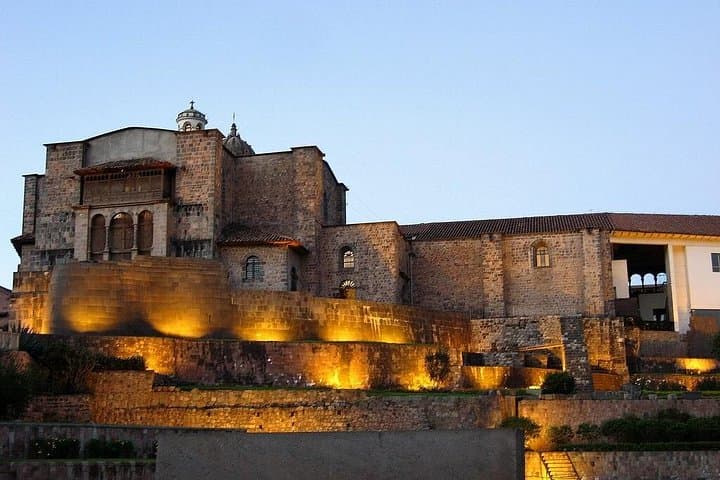
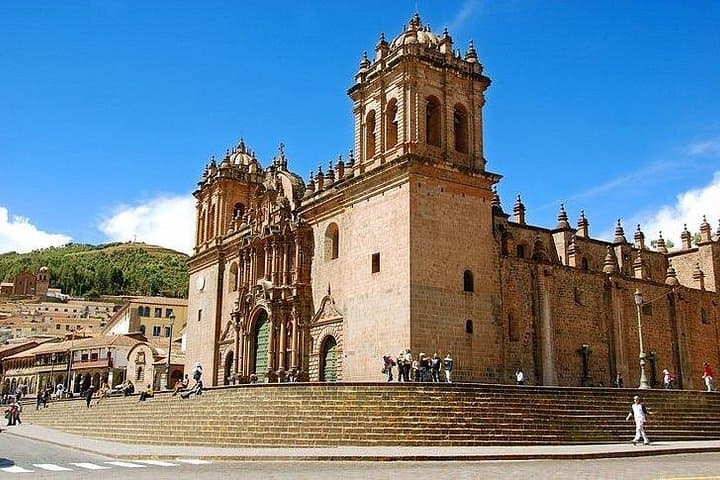
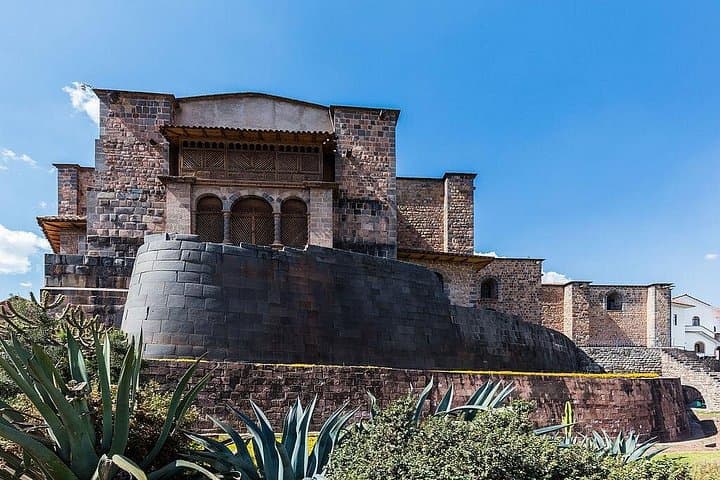
Cusco was the capital of the Inca Empire, and its stones still tell that story. Spanish builders placed cathedrals and convents atop Inca foundations, creating visible layers of conquest and adaptation. Geologically the region is uplifted Andean bedrock, with massive quarried stones that the Incas transported and fitted without mortar. Culturally, the tour reveals living Quechua traditions alongside colonial-era Christian art—look for Cuzqueño paintings inside the cathedral and the gold-lined niches at Qorikancha.
Practical guidance: expect moderate walking across cobbled streets and stepped terraces—total distance around 3–5 km depending on routing—with no major elevation gain but sustained altitude near 3,400 m, so move slowly and hydrate. The guide provides bilingual context and urban transport between sites, but wear grippy shoes for uneven surfaces and bring sun protection; mornings are best for clearer views and smaller crowds.
Local rhythm matters: vendors and musicians populate plazas, fountains keep cadence at Tambomachay, and the wind over Sacsayhuamán often feels like a living presence, nudging you to pause. For a compact immersion in Inca engineering and colonial art, this half-day tour is efficient, informative, and anchored in the city’s layered landscape.
The tour lasts about 5 hours with cumulative walking of roughly 3–5 km, including paved streets and short uphill sections at archaeological sites.
This specific tour includes transport and a bilingual guide; site admissions are often not included—confirm at booking and bring local currency or a pre-purchased boleto turístico if needed.
Yes—Cusco sits around 3,400 m; allow time to acclimatize, avoid heavy food and alcohol the first 24 hours, and consider coca tea or consult a doctor about medication if you have a history of altitude sickness.
Generally yes—it's rated easy and accessible for varying fitness levels, but mobility issues with uneven stonework and stairs may limit access at some ruins.
Encuentros Peru Adventure operates guided outdoor trips and adventures with an emphasis on safety, stewardship, and memorable experiences.
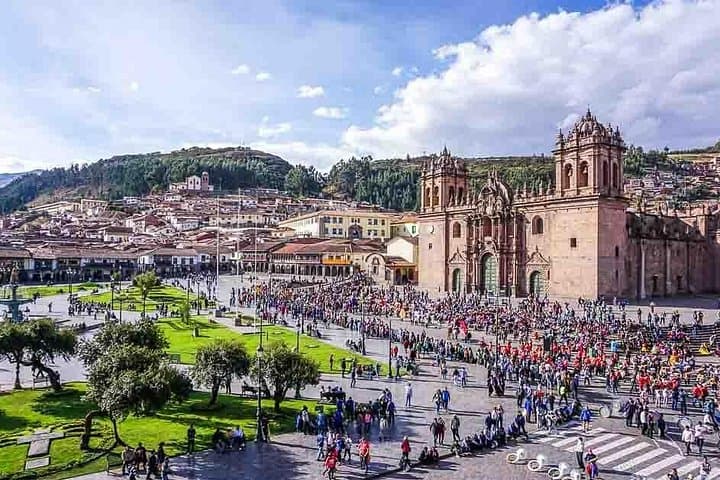
You step into Cusco’s Plaza de Armas as light fractures over carved stone and colonial facades; the air is thin and the Andes press close like an audience. This half-day route threads through the city center and into nearby Inca sites—Sacsayhuamán, Qorikancha, Qenqo and Tambomachay—each stop compressing centuries into a single walk.
You step into Cusco’s Plaza de Armas as light fractures over carved stone and colonial facades; the air is thin and the Andes press close like an audience. This half-day route threads through the city center and into nearby Inca sites—Sacsayhuamán, Qorikancha, Qenqo and Tambomachay—each stop compressing centuries into a single walk.
Cusco was the capital of the Inca Empire, and its stones still tell that story. Spanish builders placed cathedrals and convents atop Inca foundations, creating visible layers of conquest and adaptation. Geologically the region is uplifted Andean bedrock, with massive quarried stones that the Incas transported and fitted without mortar. Culturally, the tour reveals living Quechua traditions alongside colonial-era Christian art—look for Cuzqueño paintings inside the cathedral and the gold-lined niches at Qorikancha.
Practical guidance: expect moderate walking across cobbled streets and stepped terraces—total distance around 3–5 km depending on routing—with no major elevation gain but sustained altitude near 3,400 m, so move slowly and hydrate. The guide provides bilingual context and urban transport between sites, but wear grippy shoes for uneven surfaces and bring sun protection; mornings are best for clearer views and smaller crowds.
Local rhythm matters: vendors and musicians populate plazas, fountains keep cadence at Tambomachay, and the wind over Sacsayhuamán often feels like a living presence, nudging you to pause. For a compact immersion in Inca engineering and colonial art, this half-day tour is efficient, informative, and anchored in the city’s layered landscape.