THE ADVENTURE COLLECTIVE® · Independent discovery and booking for outdoor travel

Explore Cusco’s layered past on a five-hour, guided circuit from Coricancha to the high ramparts of Sacsayhuamán. Expect iconic Inca masonry, colonial cathedrals, and exposed hilltop ruins—plan for altitude, a BTC ticket, and changing weather.
Explore Cusco’s layered past on a five-hour, guided circuit from Coricancha to the high ramparts of Sacsayhuamán. Expect iconic Inca masonry, colonial cathedrals, and exposed hilltop ruins—plan for altitude, a BTC ticket, and changing weather.
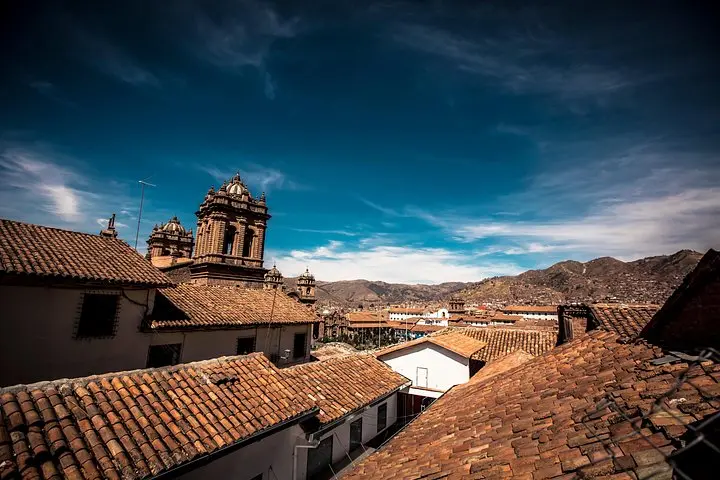
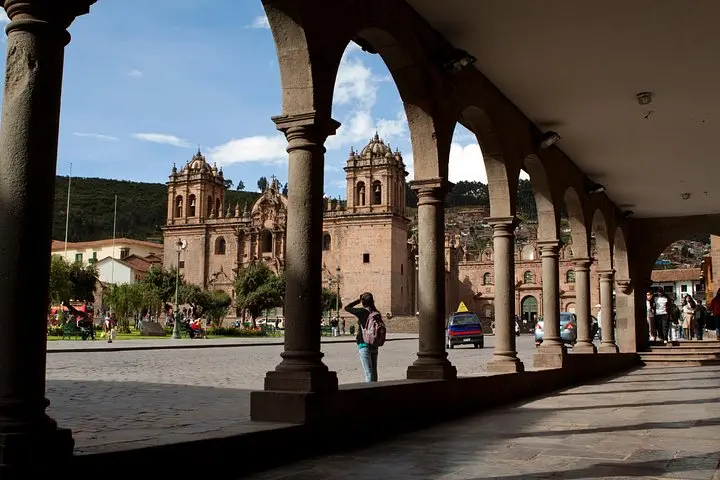
You step out onto Cusco’s Plaza de Armas and the air is thin and direct; the Andes press around the city like an alert audience. Stone streets slope away from the square, and the first stop, Coricancha—once the Sun Temple—reveals its Inca foundations peeking from beneath the Santo Domingo convent’s stonework.
Verified experiences and guided adventures in the surrounding area.
Operated by LimaTours · Cusco, Cusco Region
You step out onto Cusco’s Plaza de Armas and the air is thin and direct; the Andes press around the city like an alert audience. Stone streets slope away from the square, and the first stop, Coricancha—once the Sun Temple—reveals its Inca foundations peeking from beneath the Santo Domingo convent’s stonework.
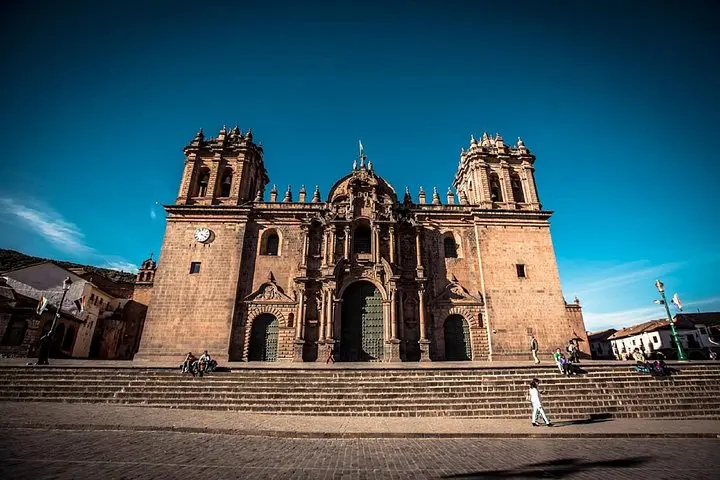
This half-day route threads through layers of history: the golden-walled Coricancha where the Incas centered solar worship, the Spanish cathedral that re‑used Inca masonry, and then the high ramparts of Sacsayhuamán where colossal blocks interlock with impossible precision. Geology is obvious here—local andesite and volcanic stone quarried and moved across valleys—and the masonry’s true scale becomes clear as you climb terraces that once hosted rituals and defenses.
Qenqo’s carved rock and ambiguous chambers hint at agricultural rites; Puka Pukara sits like a red watchtower above the city; Tambomachay still channels water with the quiet authority of Inca hydraulics. Along the way your guide connects Quechua traditions, colonial change, and the living culture in nearby San Blas and the market.
Practical side: this tour runs about five hours, usually with hotel pick‑up—confirm your pickup hotel and send passport copies if requested. Bring a Cusco Tourist Ticket (BTC) to enter the archeological sites, dress in layers for rapid weather shifts, and carry water and sun protection for exposed hilltops. Move respectfully around fragile stonework—these places survive because visitors follow basic rules.
The route is compact but altitude makes it feel larger; plan for slow walking, clear-eyed views, and a crash course in why Cusco still matters.
Yes—BTC grants access to Sacsayhuamán, Qenqo, Puka Pukara and Tambomachay; confirm whether the operator includes it or if you must purchase it separately.
Pickup and drop-off are listed as included, but you must provide your hotel name and address to coordinate the pickup time.
Acclimatize in Cusco for 24–48 hours if possible, stay hydrated, avoid alcohol before the tour, and move at a steady pace during visits.
Admission to Coricancha and Cusco Cathedral is included; entrance to the four archaeological sites requires a BTC which may be separate.
LimaTours operates guided outdoor trips and adventures with an emphasis on safety, stewardship, and memorable experiences.
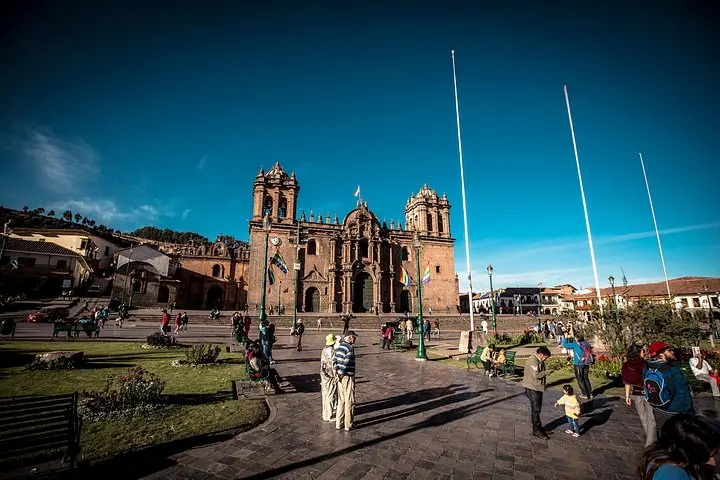
You step out onto Cusco’s Plaza de Armas and the air is thin and direct; the Andes press around the city like an alert audience. Stone streets slope away from the square, and the first stop, Coricancha—once the Sun Temple—reveals its Inca foundations peeking from beneath the Santo Domingo convent’s stonework.
You step out onto Cusco’s Plaza de Armas and the air is thin and direct; the Andes press around the city like an alert audience. Stone streets slope away from the square, and the first stop, Coricancha—once the Sun Temple—reveals its Inca foundations peeking from beneath the Santo Domingo convent’s stonework.
This half-day route threads through layers of history: the golden-walled Coricancha where the Incas centered solar worship, the Spanish cathedral that re‑used Inca masonry, and then the high ramparts of Sacsayhuamán where colossal blocks interlock with impossible precision. Geology is obvious here—local andesite and volcanic stone quarried and moved across valleys—and the masonry’s true scale becomes clear as you climb terraces that once hosted rituals and defenses.
Qenqo’s carved rock and ambiguous chambers hint at agricultural rites; Puka Pukara sits like a red watchtower above the city; Tambomachay still channels water with the quiet authority of Inca hydraulics. Along the way your guide connects Quechua traditions, colonial change, and the living culture in nearby San Blas and the market.
Practical side: this tour runs about five hours, usually with hotel pick‑up—confirm your pickup hotel and send passport copies if requested. Bring a Cusco Tourist Ticket (BTC) to enter the archeological sites, dress in layers for rapid weather shifts, and carry water and sun protection for exposed hilltops. Move respectfully around fragile stonework—these places survive because visitors follow basic rules.
The route is compact but altitude makes it feel larger; plan for slow walking, clear-eyed views, and a crash course in why Cusco still matters.