THE ADVENTURE COLLECTIVE® · Independent discovery and booking for outdoor travel

A concentrated half-day circuit through Cusco’s Inca core: visit Koricancha’s sunlit courts, the massive walls of Sacsayhuamán, and the ritual rock sites of Qenqo, Puca Pucara and Tambomachay. Practical for acclimatized travelers seeking a grounded primer on the city’s ancient engineering.
A concentrated half-day circuit through Cusco’s Inca core: visit Koricancha’s sunlit courts, the massive walls of Sacsayhuamán, and the ritual rock sites of Qenqo, Puca Pucara and Tambomachay. Practical for acclimatized travelers seeking a grounded primer on the city’s ancient engineering.
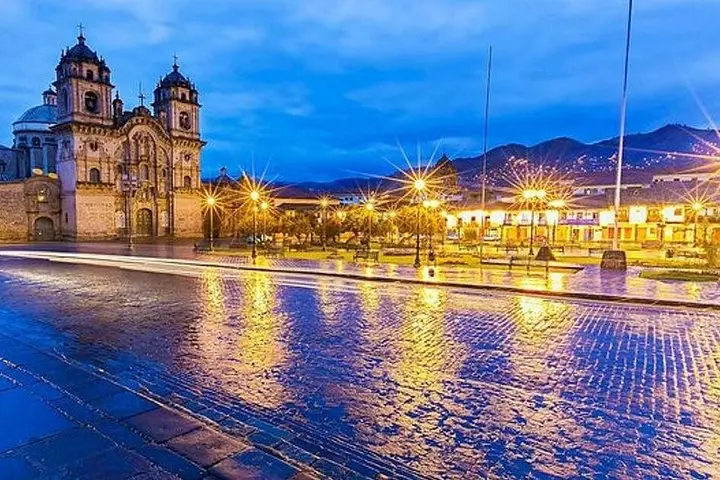
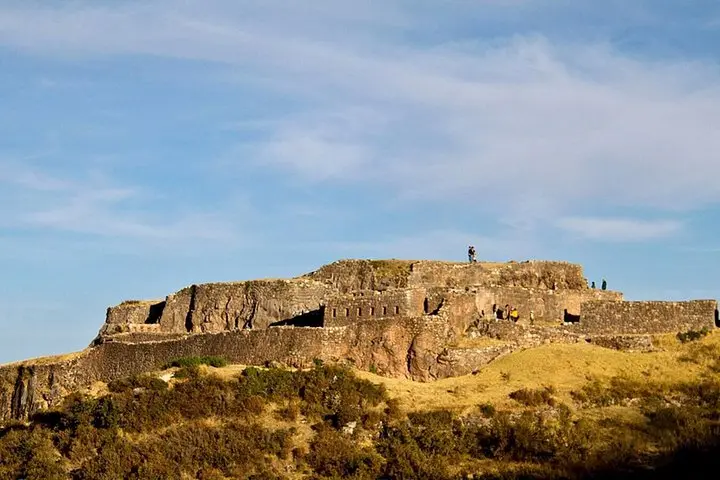
Morning light cuts across Cusco’s stone streets and the city exhales—market vendors set up, and the air is thin and brisk at 3,400 meters. On this half-day loop, a bilingual guide steers the group from Koricancha’s polished stones to the stepped ramps of Sacsayhuamán, then onward to the carved niches of Qenqo, the terraced overlooks of Puca Pucara and the water channels of Tambomachay.
Verified experiences and guided adventures in the surrounding area.
Operated by Minka Peru Expeditions · Cusco, Cusco
Morning light cuts across Cusco’s stone streets and the city exhales—market vendors set up, and the air is thin and brisk at 3,400 meters. On this half-day loop, a bilingual guide steers the group from Koricancha’s polished stones to the stepped ramps of Sacsayhuamán, then onward to the carved niches of Qenqo, the terraced overlooks of Puca Pucara and the water channels of Tambomachay.
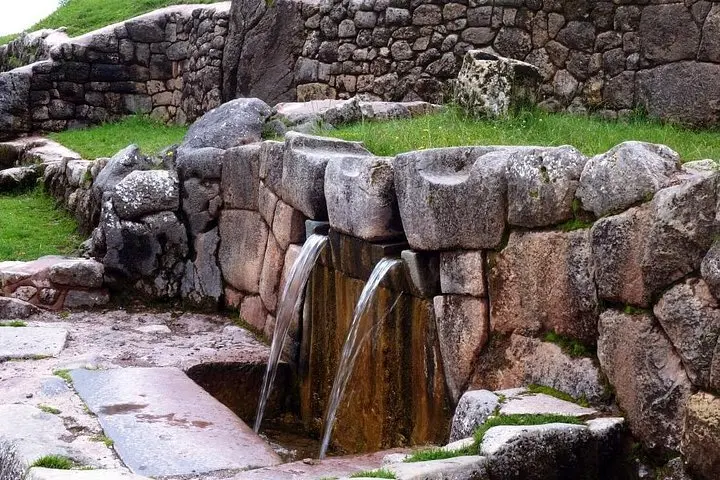
Koricancha (Temple of the Sun) reveals Inca masonry built atop earlier foundations; its remaining walls and gardens give a compact primer on imperial cosmology. Sacsayhuamán’s enormous fitted blocks demonstrate the engineering that allowed ramparts to hug the ridgeline and command views of the valley. Qenqo’s chiseled rock and carved channels hint at ritual practice, while Tambomachay’s aqueducts underline the importance of water in Andean worship.
Geology is obvious underfoot: volcanic stone and compacted Andean bedrock shaped both architecture and trails. Culture here blends living Quechua traditions with colonial-era Cusco visible in plazas and churches; expect vendors offering textiles and local snacks.
Practical essentials: the tour runs about five hours, includes transport and a bilingual guide, but site admissions are paid on arrival. Wear sturdy shoes for uneven cobbles and short uphill sections, dress in layers for rapid sun-to-wind shifts, and carry water and small bills for entry fees and local purchases. Acclimatize for at least a day in Cusco to reduce altitude effects. With short walks and several photo stops, this shared tour is a focused introduction to Cusco’s Inca foundations and immediate highland landscape.
No, admissions to archaeological sites are not included; tickets are purchased at each attraction with cash (soles).
Sites feature uneven cobbles and stone steps; the tour is generally unsuitable for travelers who cannot manage short uphill walks or steps.
Yes—the tour provides a bilingual guide in English and Spanish as noted in the inclusions.
This is a shared tour with up to 15 travelers, offering a small-group dynamic with transport between sites.
Minka Peru Expeditions operates guided outdoor trips and adventures with an emphasis on safety, stewardship, and memorable experiences.
Morning light cuts across Cusco’s stone streets and the city exhales—market vendors set up, and the air is thin and brisk at 3,400 meters. On this half-day loop, a bilingual guide steers the group from Koricancha’s polished stones to the stepped ramps of Sacsayhuamán, then onward to the carved niches of Qenqo, the terraced overlooks of Puca Pucara and the water channels of Tambomachay.
Morning light cuts across Cusco’s stone streets and the city exhales—market vendors set up, and the air is thin and brisk at 3,400 meters. On this half-day loop, a bilingual guide steers the group from Koricancha’s polished stones to the stepped ramps of Sacsayhuamán, then onward to the carved niches of Qenqo, the terraced overlooks of Puca Pucara and the water channels of Tambomachay.
Koricancha (Temple of the Sun) reveals Inca masonry built atop earlier foundations; its remaining walls and gardens give a compact primer on imperial cosmology. Sacsayhuamán’s enormous fitted blocks demonstrate the engineering that allowed ramparts to hug the ridgeline and command views of the valley. Qenqo’s chiseled rock and carved channels hint at ritual practice, while Tambomachay’s aqueducts underline the importance of water in Andean worship.
Geology is obvious underfoot: volcanic stone and compacted Andean bedrock shaped both architecture and trails. Culture here blends living Quechua traditions with colonial-era Cusco visible in plazas and churches; expect vendors offering textiles and local snacks.
Practical essentials: the tour runs about five hours, includes transport and a bilingual guide, but site admissions are paid on arrival. Wear sturdy shoes for uneven cobbles and short uphill sections, dress in layers for rapid sun-to-wind shifts, and carry water and small bills for entry fees and local purchases. Acclimatize for at least a day in Cusco to reduce altitude effects. With short walks and several photo stops, this shared tour is a focused introduction to Cusco’s Inca foundations and immediate highland landscape.