THE ADVENTURE COLLECTIVE® · Independent discovery and booking for outdoor travel

Explore Cusco’s essential sites in one half-day loop: the Cathedral, Koricancha, and the Inca complexes of Sacsayhuamán, Qenqo, Puca Pucara and Tambomachay. This compact tour blends archaeology, colonial history, and clear practical advice for first-time visitors at altitude.
Explore Cusco’s essential sites in one half-day loop: the Cathedral, Koricancha, and the Inca complexes of Sacsayhuamán, Qenqo, Puca Pucara and Tambomachay. This compact tour blends archaeology, colonial history, and clear practical advice for first-time visitors at altitude.
Morning in Cusco opens with clear, high-altitude light and the steady murmur of the Plaza de Armas — bell towers, vendors arranging fresh flowers, and the uphill streets that lead to layers of history. This half-day tour threads through the city’s twin identities: a living colonial center and the overlain geometry of the Inca capital.
Verified experiences and guided adventures in the surrounding area.
Operated by Cusco Destinations Tours & Travels · Cusco, Cusco Region
Morning in Cusco opens with clear, high-altitude light and the steady murmur of the Plaza de Armas — bell towers, vendors arranging fresh flowers, and the uphill streets that lead to layers of history. This half-day tour threads through the city’s twin identities: a living colonial center and the overlain geometry of the Inca capital.
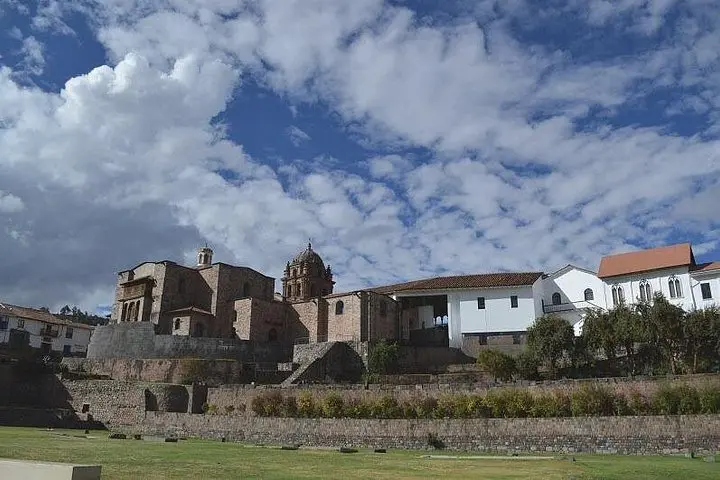
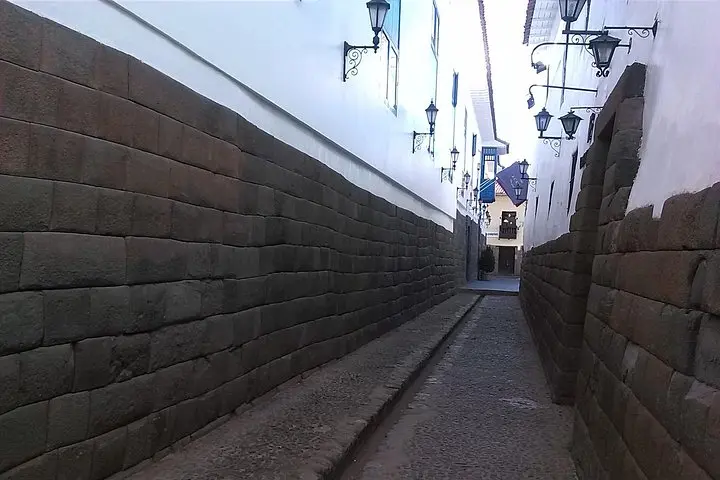
Begin at the Cathedral, where Spanish baroque sits atop Inca stonework and the Cusqueñan School paintings reflect colonial and indigenous fusion. A short walk brings you to Koricancha, the Temple of the Sun, where original stone foundations meet later gardens and fountains; the precision of Inca masonry is visible in seams so tight a knife blade won’t pass.
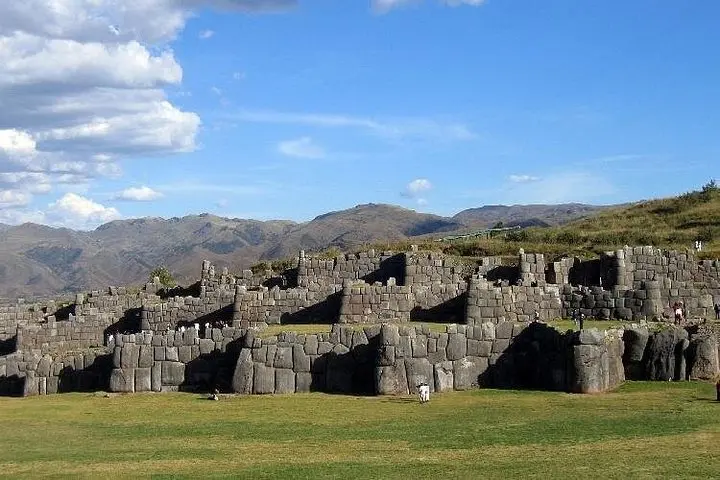
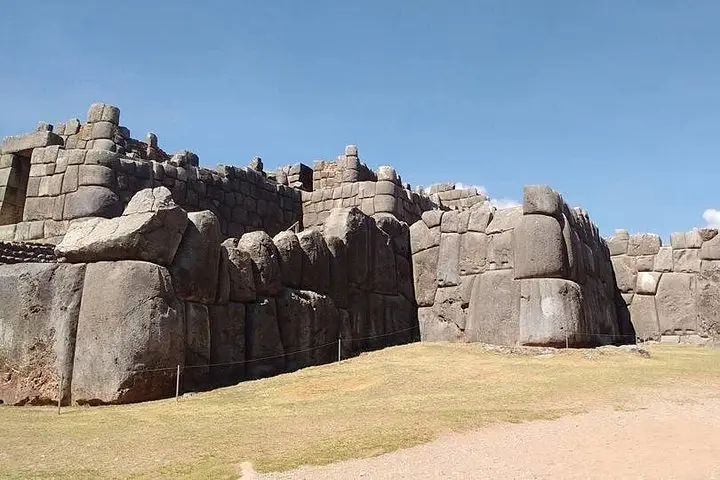
Beyond the city, the massive terraces and polygonal blocks of Sacsayhuamán loom like a defensive crown, a place where geology — hard andesite carved and fitted — meets human engineering. Qenqo’s carved amphitheater and ritual niches speak to ceremonial practice, while Puca Pucara’s red-hued outcrop and Tambomachay’s aqueducts highlight military control and water worship respectively.
Practical guide: the tour runs about five hours with hotel pickup in Cusco city center and shared transport between sites; on-site admissions are typically not included. Wear sturdy walking shoes for cobbled streets and short uneven climbs, layer for strong sun and cool shade, and carry water and small local currency for entry fees or snacks. Allow time to acclimatize — take it steady on stairs and steep ramps. This route condenses the region’s archaeology and colonial layers into a single accessible morning, ideal for first-time visitors wanting a focused orientation to Cusco.
Admissions are typically not included; some sites require separate entry paid on arrival or via the city ticket system.
Yes — the tour notes list hotel pickup and drop-off in Cusco city center as included in the round-trip transport.
The tour involves uneven cobblestones and short climbs; it’s labeled easy but not recommended for travelers with severe mobility constraints or certain spinal conditions.
Hydrate, sleep well before the tour, avoid alcohol the night before, and consider a slower pace if you feel short of breath; consult your doctor if you have heart conditions.
Cusco Destinations Tours & Travels operates guided outdoor trips and adventures with an emphasis on safety, stewardship, and memorable experiences.
Morning in Cusco opens with clear, high-altitude light and the steady murmur of the Plaza de Armas — bell towers, vendors arranging fresh flowers, and the uphill streets that lead to layers of history. This half-day tour threads through the city’s twin identities: a living colonial center and the overlain geometry of the Inca capital.
Morning in Cusco opens with clear, high-altitude light and the steady murmur of the Plaza de Armas — bell towers, vendors arranging fresh flowers, and the uphill streets that lead to layers of history. This half-day tour threads through the city’s twin identities: a living colonial center and the overlain geometry of the Inca capital.
Begin at the Cathedral, where Spanish baroque sits atop Inca stonework and the Cusqueñan School paintings reflect colonial and indigenous fusion. A short walk brings you to Koricancha, the Temple of the Sun, where original stone foundations meet later gardens and fountains; the precision of Inca masonry is visible in seams so tight a knife blade won’t pass.
Beyond the city, the massive terraces and polygonal blocks of Sacsayhuamán loom like a defensive crown, a place where geology — hard andesite carved and fitted — meets human engineering. Qenqo’s carved amphitheater and ritual niches speak to ceremonial practice, while Puca Pucara’s red-hued outcrop and Tambomachay’s aqueducts highlight military control and water worship respectively.
Practical guide: the tour runs about five hours with hotel pickup in Cusco city center and shared transport between sites; on-site admissions are typically not included. Wear sturdy walking shoes for cobbled streets and short uneven climbs, layer for strong sun and cool shade, and carry water and small local currency for entry fees or snacks. Allow time to acclimatize — take it steady on stairs and steep ramps. This route condenses the region’s archaeology and colonial layers into a single accessible morning, ideal for first-time visitors wanting a focused orientation to Cusco.