THE ADVENTURE COLLECTIVE® · Independent discovery and booking for outdoor travel

Spend a focused half-day in Cusco exploring Qoricancha, Saqsayhuaman, Qenqo, Puca Pucara and Tambomachay with a knowledgeable guide. This tour combines Inca engineering, colonial history, and accessible walking through some of the region’s most iconic archaeological sites.
Spend a focused half-day in Cusco exploring Qoricancha, Saqsayhuaman, Qenqo, Puca Pucara and Tambomachay with a knowledgeable guide. This tour combines Inca engineering, colonial history, and accessible walking through some of the region’s most iconic archaeological sites.
Morning light strikes the Plaza de Armas and the city wakes in the high Andes—stone streets cool beneath your boots, church bells mixing with Quechua chatter. This half-day tour threads through Cusco’s layers: an Inca capital repurposed by Spanish builders, where polished polygonal masonry meets baroque facades.
Verified experiences and guided adventures in the surrounding area.
Operated by Machu Picchu Road Trip · Cusco, Cusco Region
Morning light strikes the Plaza de Armas and the city wakes in the high Andes—stone streets cool beneath your boots, church bells mixing with Quechua chatter. This half-day tour threads through Cusco’s layers: an Inca capital repurposed by Spanish builders, where polished polygonal masonry meets baroque facades.
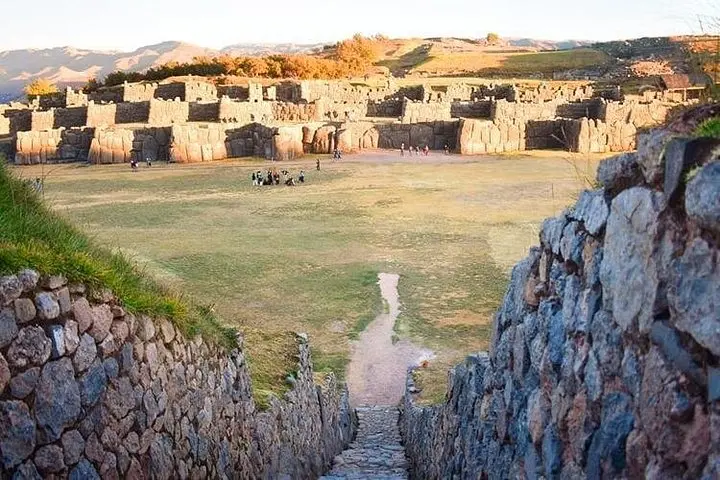
You’ll visit Qoricancha, once sheathed in gold for the sun cult, then climb toward Saqsayhuaman’s enormous terraces and granite walls that still hold their imposing angles. The route continues to Qenqo’s carved platforms and channels, Puca Pucara’s iron-stained stones, and Tambomachay’s engineered springs—sites that reveal Inca ceremonial life, hydraulic skill, and military strategy in compact sequence.
History here is literal: stones cut to fit without mortar, colonial convents built atop Inca foundations. Geology matters—granite outcrops were the raw material for those giant blocks, and the city sits at nearly 3,400 meters, which shapes everything from walking pace to weather choices. Local guides bring context: tales of ritual, Spanish conquest, and the living traditions that persist in markets and plazas.
Practical notes: choose a morning (09:00–13:30) or afternoon (13:30–18:00) departure; hotel pickup and group transport are included, but archaeological entrance fees are typically extra. Expect uneven cobbles and short uphill sections—comfortable shoes, sunscreen, and water make the difference. Take time to acclimatize before touring; the reward is immediate: sweeping views of Cusco’s red-tiled roofs and a clear encounter with the architectures that shaped the Andes.
Most itineraries do not include site entrance fees; bring local currency for tickets or confirm in advance with the operator.
The tour involves walking on uneven cobbles and some short climbs; it’s labeled easy but not fully accessible—contact the provider about specific mobility needs.
Professional guides in English and Spanish are provided on this tour.
Choose a morning (09:00–13:30) or afternoon (13:30–18:00) departure; total on-tour time is roughly 4.5–5.5 hours depending on stops.
Machu Picchu Road Trip operates guided outdoor trips and adventures with an emphasis on safety, stewardship, and memorable experiences.
Morning light strikes the Plaza de Armas and the city wakes in the high Andes—stone streets cool beneath your boots, church bells mixing with Quechua chatter. This half-day tour threads through Cusco’s layers: an Inca capital repurposed by Spanish builders, where polished polygonal masonry meets baroque facades.
Morning light strikes the Plaza de Armas and the city wakes in the high Andes—stone streets cool beneath your boots, church bells mixing with Quechua chatter. This half-day tour threads through Cusco’s layers: an Inca capital repurposed by Spanish builders, where polished polygonal masonry meets baroque facades.
You’ll visit Qoricancha, once sheathed in gold for the sun cult, then climb toward Saqsayhuaman’s enormous terraces and granite walls that still hold their imposing angles. The route continues to Qenqo’s carved platforms and channels, Puca Pucara’s iron-stained stones, and Tambomachay’s engineered springs—sites that reveal Inca ceremonial life, hydraulic skill, and military strategy in compact sequence.
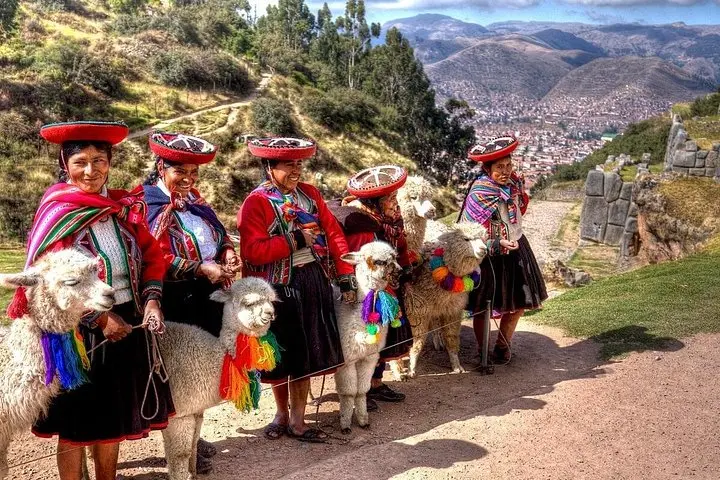
History here is literal: stones cut to fit without mortar, colonial convents built atop Inca foundations. Geology matters—granite outcrops were the raw material for those giant blocks, and the city sits at nearly 3,400 meters, which shapes everything from walking pace to weather choices. Local guides bring context: tales of ritual, Spanish conquest, and the living traditions that persist in markets and plazas.
Practical notes: choose a morning (09:00–13:30) or afternoon (13:30–18:00) departure; hotel pickup and group transport are included, but archaeological entrance fees are typically extra. Expect uneven cobbles and short uphill sections—comfortable shoes, sunscreen, and water make the difference. Take time to acclimatize before touring; the reward is immediate: sweeping views of Cusco’s red-tiled roofs and a clear encounter with the architectures that shaped the Andes.