THE ADVENTURE COLLECTIVE® · Independent discovery and booking for outdoor travel

Explore Cusco’s Inca and colonial layers in a concentrated half-day route: Qorikancha’s polished stones, the sweeping walls of Sacsayhuamán, the carved galleries of Qenqo, and the contextual exhibits at the Inca museum. Ideal for travelers wanting a guided orientation to the city’s archaeology and history.
Explore Cusco’s Inca and colonial layers in a concentrated half-day route: Qorikancha’s polished stones, the sweeping walls of Sacsayhuamán, the carved galleries of Qenqo, and the contextual exhibits at the Inca museum. Ideal for travelers wanting a guided orientation to the city’s archaeology and history.
You step off the cobblestones of Cusco’s Plaza de Armas into a city where Inca stone meets Spanish baroque — sun on polished andesite, and the thin air tugging at your breath. The walk moves from the temple of Qorikancha, once sheathed in gold for the sun god Inti, up to the ramparts of Sacsayhuamán that look out over the bowl of the city. Ruins, fountains and colonial homes unfold in short stretches, each site compact enough for careful exploration yet layered with centuries of politics and craft.
Verified experiences and guided adventures in the surrounding area.
Operated by Peru4Fun Servicios Turísticos EIRL · Cusco, Cusco Region
You step off the cobblestones of Cusco’s Plaza de Armas into a city where Inca stone meets Spanish baroque — sun on polished andesite, and the thin air tugging at your breath. The walk moves from the temple of Qorikancha, once sheathed in gold for the sun god Inti, up to the ramparts of Sacsayhuamán that look out over the bowl of the city. Ruins, fountains and colonial homes unfold in short stretches, each site compact enough for careful exploration yet layered with centuries of politics and craft.
Cusco was the heart of the Inca empire; its geology — steep volcanic bedrock and terraces — shaped both settlement and ritual. Qenqo’s carved chambers and Kʼenko’s labyrinthine cuts show stoneworkers tuning bedrock to religious performance, while Tambomachay’s aqueducts whisper of hydraulic skill. The Museo Inka adds context: ceramics, textiles and pre-Columbian objects that connect the city streets to Andean lifeways.
Practically: this private tour runs about six hours with hotel pickup and air-conditioned transport between sites, but expect walking on uneven stone and stairs at 3,400m altitude. Wear sturdy shoes, layer for quick temperature swings, and pace yourself to minimize altitude effects. Carry water and a sun hat — UV is sharp at high elevation. Ask your guide about the best photo vantage and quieter hours at each ruin; early departures beat the crowds and the afternoon rains common in the wet season.
This tour balances concise historical interpretation with accessible walking, making it a practical way to orient yourself to Cusco’s archaeology and living culture in half a day.
Yes — the tour description states that admission fees to listed archaeological sites and the museum are included.
Some visitors experience mild symptoms; allow time to acclimatize, hydrate, avoid heavy meals beforehand and notify your guide if you feel unwell.
Yes — the private tour includes hotel transfers in an air-conditioned vehicle as part of the service.
The tour may be operated by a multilingual guide; confirm your preferred language at booking to ensure availability.
Peru4Fun Servicios Turísticos EIRL operates guided outdoor trips and adventures with an emphasis on safety, stewardship, and memorable experiences.
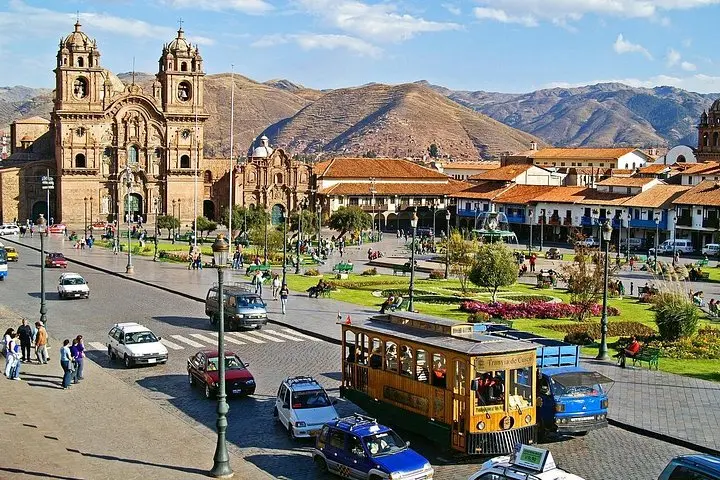
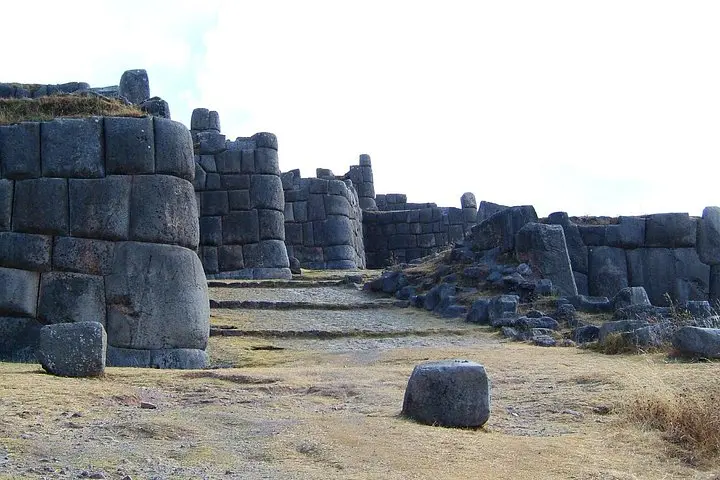
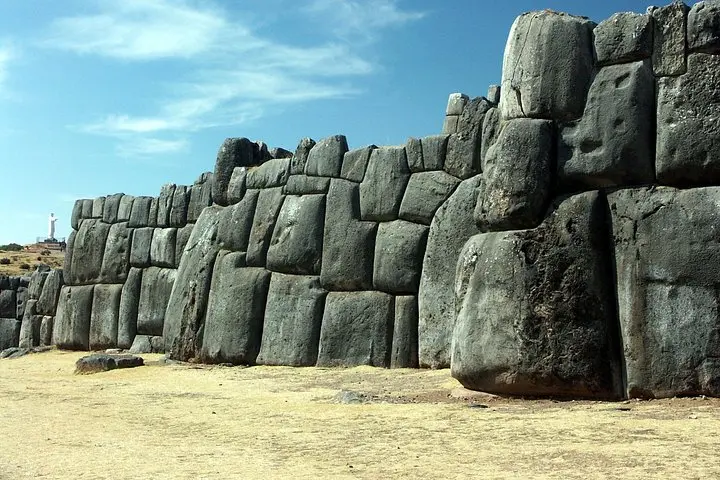
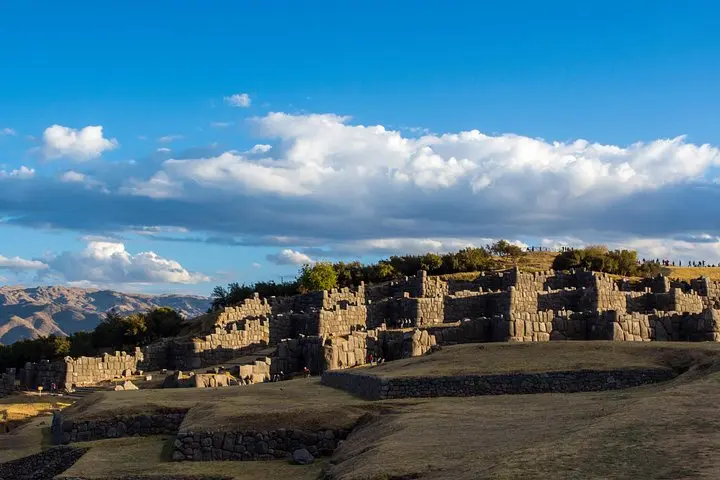
You step off the cobblestones of Cusco’s Plaza de Armas into a city where Inca stone meets Spanish baroque — sun on polished andesite, and the thin air tugging at your breath. The walk moves from the temple of Qorikancha, once sheathed in gold for the sun god Inti, up to the ramparts of Sacsayhuamán that look out over the bowl of the city. Ruins, fountains and colonial homes unfold in short stretches, each site compact enough for careful exploration yet layered with centuries of politics and craft.
You step off the cobblestones of Cusco’s Plaza de Armas into a city where Inca stone meets Spanish baroque — sun on polished andesite, and the thin air tugging at your breath. The walk moves from the temple of Qorikancha, once sheathed in gold for the sun god Inti, up to the ramparts of Sacsayhuamán that look out over the bowl of the city. Ruins, fountains and colonial homes unfold in short stretches, each site compact enough for careful exploration yet layered with centuries of politics and craft.
Cusco was the heart of the Inca empire; its geology — steep volcanic bedrock and terraces — shaped both settlement and ritual. Qenqo’s carved chambers and Kʼenko’s labyrinthine cuts show stoneworkers tuning bedrock to religious performance, while Tambomachay’s aqueducts whisper of hydraulic skill. The Museo Inka adds context: ceramics, textiles and pre-Columbian objects that connect the city streets to Andean lifeways.
Practically: this private tour runs about six hours with hotel pickup and air-conditioned transport between sites, but expect walking on uneven stone and stairs at 3,400m altitude. Wear sturdy shoes, layer for quick temperature swings, and pace yourself to minimize altitude effects. Carry water and a sun hat — UV is sharp at high elevation. Ask your guide about the best photo vantage and quieter hours at each ruin; early departures beat the crowds and the afternoon rains common in the wet season.
This tour balances concise historical interpretation with accessible walking, making it a practical way to orient yourself to Cusco’s archaeology and living culture in half a day.