THE ADVENTURE COLLECTIVE® · Independent discovery and booking for outdoor travel

Explore Cusco’s layered past on a half-day circuit: Qorikancha’s sacred stones, Sacsayhuaman’s megaliths and nearby ceremonial sites. Expect easy walks, short drives, and altitude-aware guidance from bilingual guides.
Explore Cusco’s layered past on a half-day circuit: Qorikancha’s sacred stones, Sacsayhuaman’s megaliths and nearby ceremonial sites. Expect easy walks, short drives, and altitude-aware guidance from bilingual guides.
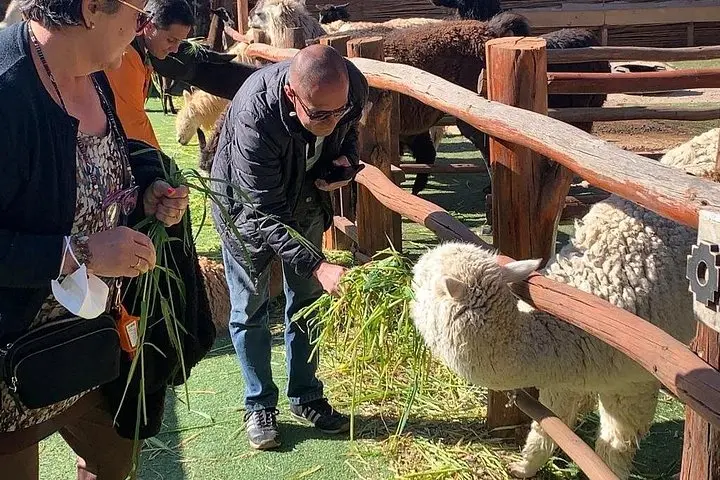
You step off the Plaza de Armas and the city seems to rearrange itself around stone: colonial balconies lean over Inca foundations, cathedral bells mark the hour and a breeze from the highlands teases the wool of passing llamas.
Verified experiences and guided adventures in the surrounding area.
Operated by Perutt · Cusco, Cusco
You step off the Plaza de Armas and the city seems to rearrange itself around stone: colonial balconies lean over Inca foundations, cathedral bells mark the hour and a breeze from the highlands teases the wool of passing llamas.
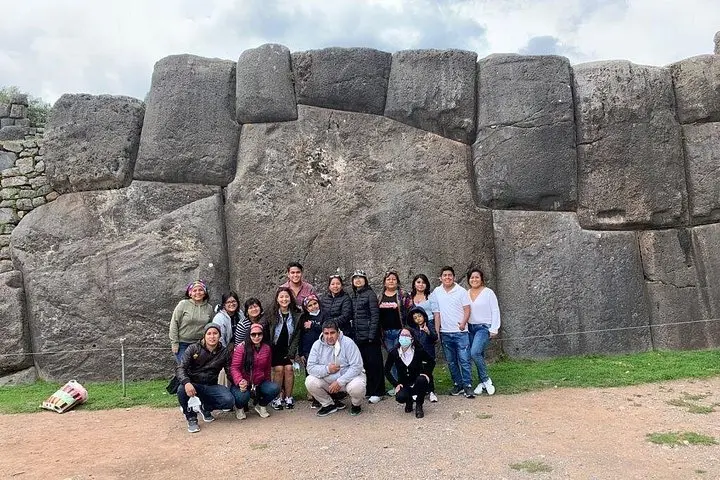
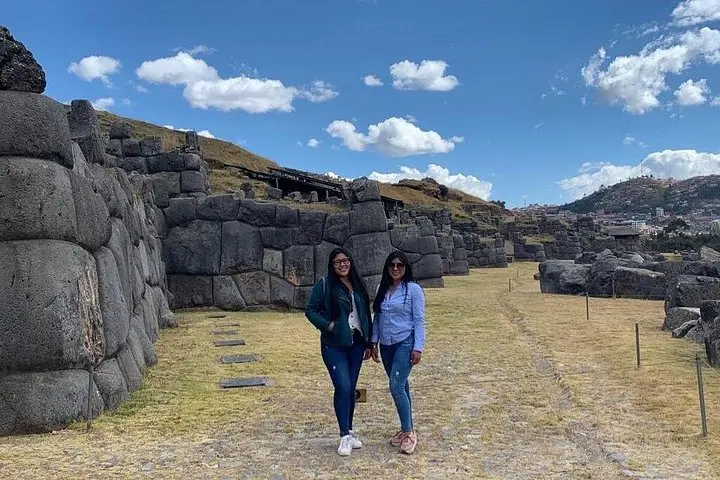
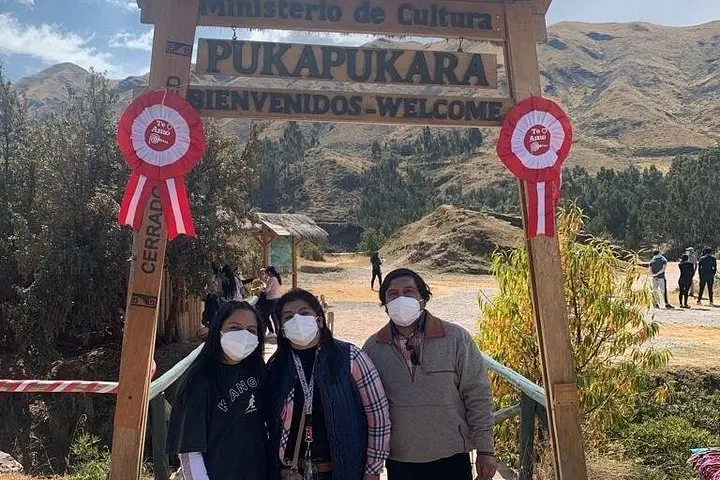
This half-day Cusco City Tour threads through that layered history. Begin at Qorikancha, the Inca temple of the Sun whose once-gilded walls defined Cusco's spiritual center. Walk through colonial Cusco to the cathedral—built with stones quarried from Sacsayhuaman—and then take a short ride above the city to the zigzag megalithic walls of Sacsayhuaman. The route continues to Qenqo, with its carved amphitheater and ceremonial chambers, Puca Pucara, a strategic checkpoint, and Tambomachay, where cold mountain springs were once worshiped.
Geology and culture meet here: granite and andesite blocks shaped by Inca masons sit beneath Spanish baroque façades, while highland streams still push through ancient irrigation channels. Local guides explain Inca cosmology, the significance of water rituals, and the shifting urban fabric since Spanish conquest.
Practical edge: altitude matters—Cusco sits around 3,400 m (11,150 ft). The tour includes short walking sections and vehicle transfers between sites, so bring a daypack, bottled water, sun protection and a light jacket. Expect uneven stone paths and some steep steps at the ruins. Mornings are cooler and less crowded; afternoon clouds can bring sharp showers in the rainy season.
This tour is ideal for travelers seeking concentrated history and easy access to major Inca sites without a full-day trek—an efficient primer to Cusco before you move on to the Sacred Valley or Machu Picchu.
The shared tour lasts about 3–4 hours with short walking sections at each site and vehicle transfers between locations.
Admission is not listed as included for individual sites—verify with the operator or bring cash/credit for entry fees or a Boleto Turístico if you plan extended visits.
The tour notes it’s not recommended for pregnant travelers; children can join but expect uneven terrain and altitude considerations.
Pick-up points are centered around the Plaza de Armas of Cusco; the tour also ends at the main square.
Perutt operates guided outdoor trips and adventures with an emphasis on safety, stewardship, and memorable experiences.
You step off the Plaza de Armas and the city seems to rearrange itself around stone: colonial balconies lean over Inca foundations, cathedral bells mark the hour and a breeze from the highlands teases the wool of passing llamas.
You step off the Plaza de Armas and the city seems to rearrange itself around stone: colonial balconies lean over Inca foundations, cathedral bells mark the hour and a breeze from the highlands teases the wool of passing llamas.
This half-day Cusco City Tour threads through that layered history. Begin at Qorikancha, the Inca temple of the Sun whose once-gilded walls defined Cusco's spiritual center. Walk through colonial Cusco to the cathedral—built with stones quarried from Sacsayhuaman—and then take a short ride above the city to the zigzag megalithic walls of Sacsayhuaman. The route continues to Qenqo, with its carved amphitheater and ceremonial chambers, Puca Pucara, a strategic checkpoint, and Tambomachay, where cold mountain springs were once worshiped.
Geology and culture meet here: granite and andesite blocks shaped by Inca masons sit beneath Spanish baroque façades, while highland streams still push through ancient irrigation channels. Local guides explain Inca cosmology, the significance of water rituals, and the shifting urban fabric since Spanish conquest.
Practical edge: altitude matters—Cusco sits around 3,400 m (11,150 ft). The tour includes short walking sections and vehicle transfers between sites, so bring a daypack, bottled water, sun protection and a light jacket. Expect uneven stone paths and some steep steps at the ruins. Mornings are cooler and less crowded; afternoon clouds can bring sharp showers in the rainy season.
This tour is ideal for travelers seeking concentrated history and easy access to major Inca sites without a full-day trek—an efficient primer to Cusco before you move on to the Sacred Valley or Machu Picchu.