THE ADVENTURE COLLECTIVE® · Independent discovery and booking for outdoor travel

Explore Cusco’s core in half a day: Qorikancha’s solar stones, Plaza de Armas, and the highland ruins of Tambomachay, Puka Pukara, Qenqo and Sacsayhuamán. This small-group tour pairs accessible walks with local history and practical tips for altitude and entry requirements.
Explore Cusco’s core in half a day: Qorikancha’s solar stones, Plaza de Armas, and the highland ruins of Tambomachay, Puka Pukara, Qenqo and Sacsayhuamán. This small-group tour pairs accessible walks with local history and practical tips for altitude and entry requirements.
You step out into thin, crisp morning air as the van threads narrow colonial streets toward Plaza de Armas — bell towers, stone facades and a market’s hum framing the first light.
Verified experiences and guided adventures in the surrounding area.
Operated by Cusco Unique Experience · Cusco, Cusco
You step out into thin, crisp morning air as the van threads narrow colonial streets toward Plaza de Armas — bell towers, stone facades and a market’s hum framing the first light.
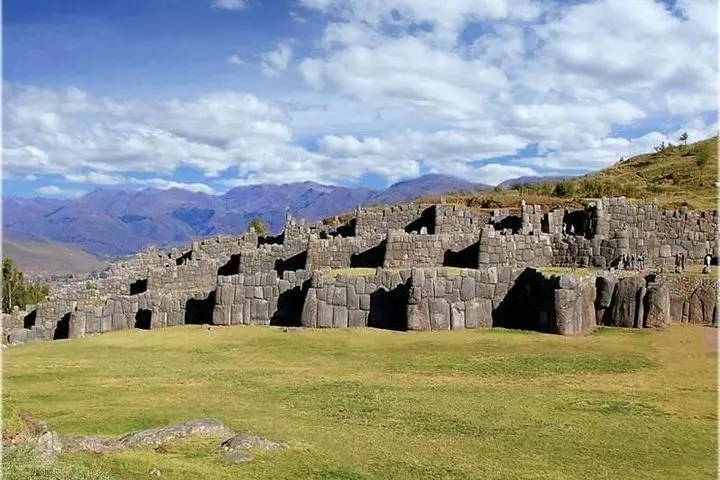
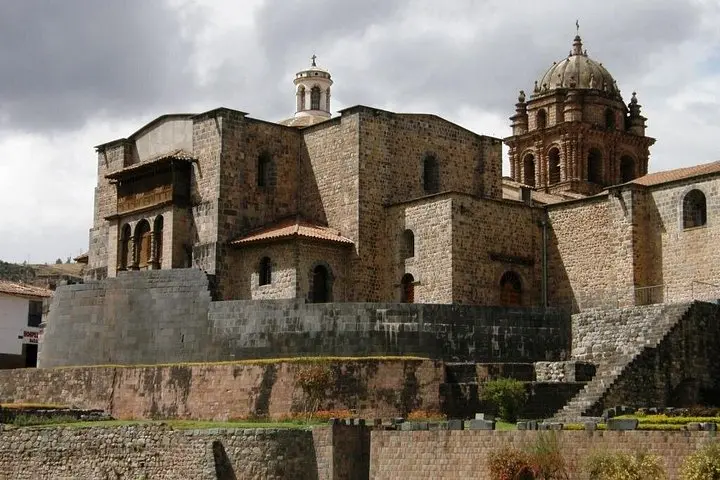
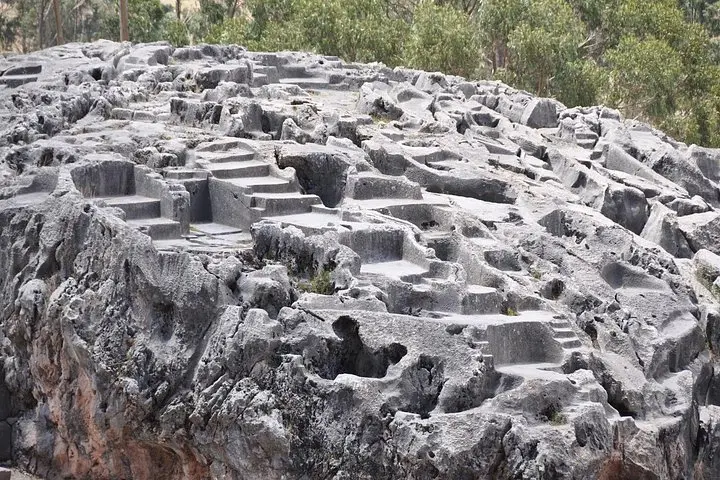
This five-hour small-group tour moves from the golden stones of Qorikancha, the Inca temple of the sun, to the cathedral on the plaza, then climbs to the surrounding hills where Tambomachay’s channels, Puka Pukara’s ramparts, Qenqo’s carved rock and the monumental terraces of Sacsayhuamán wait. The sequence reads like a primer on Inca civil engineering: precise masonry, hydraulic ingenuity and military logistics. Geologically, you’ll notice the city sits on uplifted volcanic and sedimentary strata carved by Andean tectonics — the irregular bedrock contributes to Cusco’s famous seismic-fit stonework.
Culturally, guides will connect Spanish colonial overlays to pre-Columbian rituals — how plazas became centers of syncretic religious life and why water temples mattered. Local insights include the practical use of the general tourist ticket and the fact Qorikancha and the Cathedral often require separate entry.
Practically: pick-up in central Cusco between 7:30–8:00am, return around 2:30pm; expect short, uneven walks and brief climbs at altitude. Wear layers for sun and wind, carry water and a camera, and allow time to acclimatize to 3,400m to minimize headaches. Respect fragile masonry — stay on paths and avoid leaning on carved stones. The tour blends accessible history with tangible encounters at open-air ruins, ideal for travelers who want a concentrated, on-foot introduction to Cusco’s archaeological perimeter.
The tour lasts about five hours with pick-up in central Cusco between 7:30–8:00am and returns around 2:30pm.
Transportation and guide are included, but some sites require separate admission; the general tourist ticket works for several sites, though Qorikancha and the Cathedral often need individual tickets.
The tour involves short walks, uneven ground and some steps; it’s rated easy but may be challenging for those with significant mobility limitations.
Yes — Cusco sits near 3,400 m; allow time to acclimatize, hydrate, avoid heavy meals and consider light activity on arrival day.
Cusco Unique Experience operates guided outdoor trips and adventures with an emphasis on safety, stewardship, and memorable experiences.
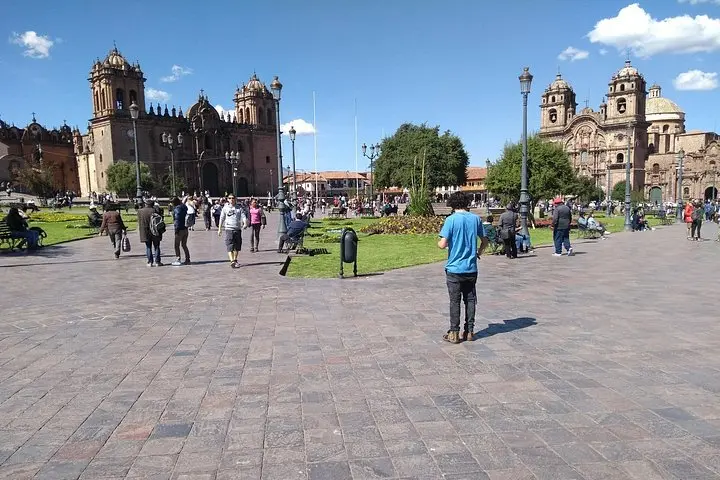
You step out into thin, crisp morning air as the van threads narrow colonial streets toward Plaza de Armas — bell towers, stone facades and a market’s hum framing the first light.
You step out into thin, crisp morning air as the van threads narrow colonial streets toward Plaza de Armas — bell towers, stone facades and a market’s hum framing the first light.
This five-hour small-group tour moves from the golden stones of Qorikancha, the Inca temple of the sun, to the cathedral on the plaza, then climbs to the surrounding hills where Tambomachay’s channels, Puka Pukara’s ramparts, Qenqo’s carved rock and the monumental terraces of Sacsayhuamán wait. The sequence reads like a primer on Inca civil engineering: precise masonry, hydraulic ingenuity and military logistics. Geologically, you’ll notice the city sits on uplifted volcanic and sedimentary strata carved by Andean tectonics — the irregular bedrock contributes to Cusco’s famous seismic-fit stonework.
Culturally, guides will connect Spanish colonial overlays to pre-Columbian rituals — how plazas became centers of syncretic religious life and why water temples mattered. Local insights include the practical use of the general tourist ticket and the fact Qorikancha and the Cathedral often require separate entry.
Practically: pick-up in central Cusco between 7:30–8:00am, return around 2:30pm; expect short, uneven walks and brief climbs at altitude. Wear layers for sun and wind, carry water and a camera, and allow time to acclimatize to 3,400m to minimize headaches. Respect fragile masonry — stay on paths and avoid leaning on carved stones. The tour blends accessible history with tangible encounters at open-air ruins, ideal for travelers who want a concentrated, on-foot introduction to Cusco’s archaeological perimeter.