THE ADVENTURE COLLECTIVE® · Independent discovery and booking for outdoor travel

Spend a focused half-day in Cusco exploring Qoricancha, the hilltop ramparts of Sacsayhuamán and rock-carved Qenqo. This city circuit pairs panoramic views with close-up lessons in Inca engineering and water ritual.
Spend a focused half-day in Cusco exploring Qoricancha, the hilltop ramparts of Sacsayhuamán and rock-carved Qenqo. This city circuit pairs panoramic views with close-up lessons in Inca engineering and water ritual.
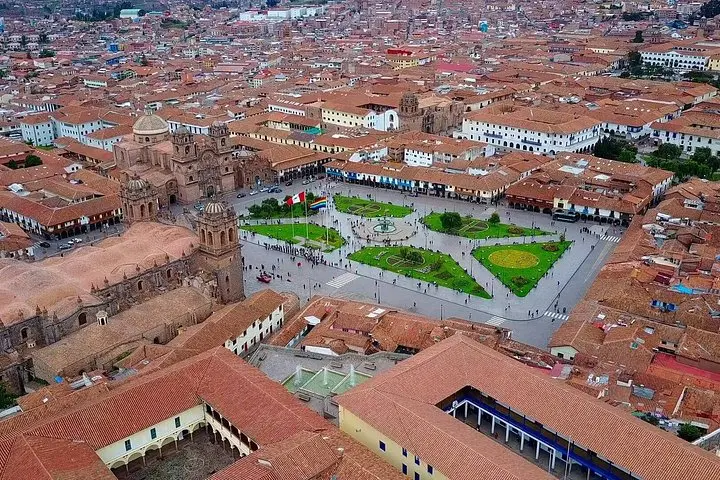
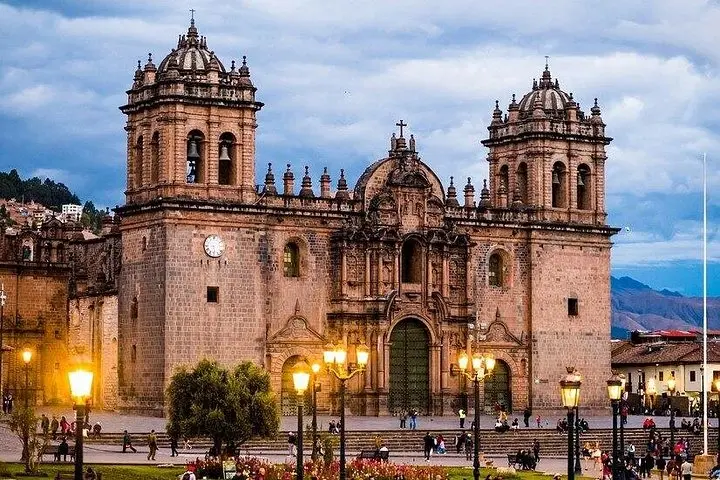
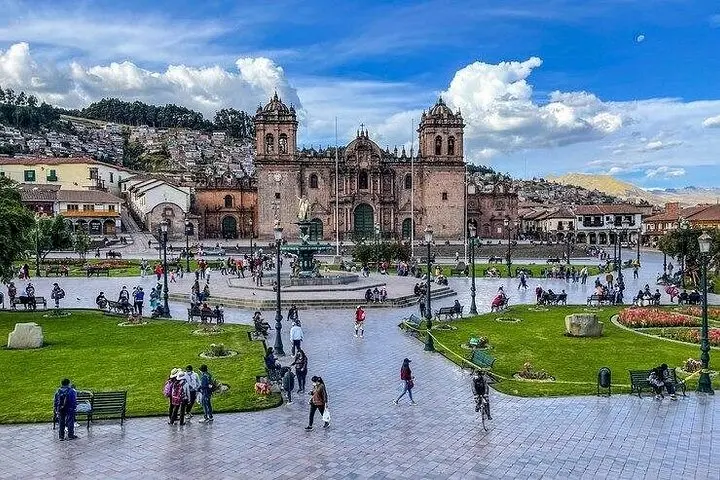
Morning light slides across the Plaza de Armas and the city wakes in a chorus of vendors, church bells and distant traffic. On a half-day Cusco city tour, travelers move from stone-paved colonial streets into the scale and precision of Inca masonry — a quick, concentrated primer on why this city was the heart of an empire.
Verified experiences and guided adventures in the surrounding area.
Operated by Machupicchu Adventour · Cusco, Cusco
Morning light slides across the Plaza de Armas and the city wakes in a chorus of vendors, church bells and distant traffic. On a half-day Cusco city tour, travelers move from stone-paved colonial streets into the scale and precision of Inca masonry — a quick, concentrated primer on why this city was the heart of an empire.
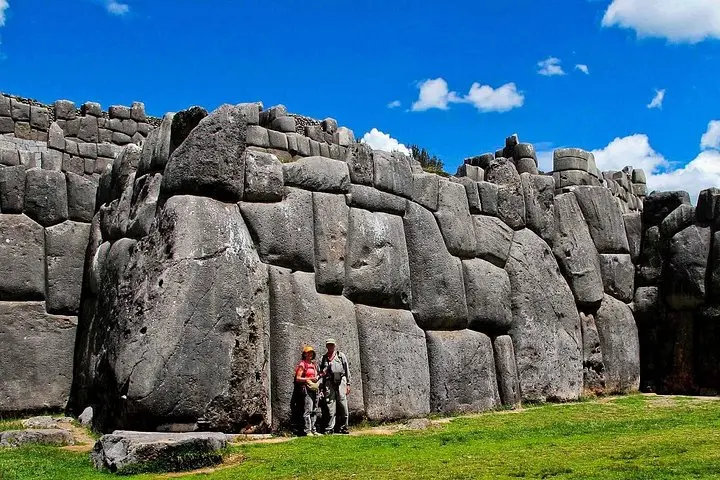
The route threads the ceremonial soil of Qoricancha, where the Incas once aligned temples to the sun and moon, then climbs to Sacsayhuamán’s massive platforms, whose interlocked stones hold tight against seismic time. Below the fortress are panoramic views of Cusco’s red-tiled roofs and surrounding Andes ridgelines; geology here is visible in the iron-rich, reddish outcrops that color some ruins. Qenqo and Tambomachay bring a contrasting intimacy — carved channels, ritual niches and spring-fed aqueducts that remind visitors the Incas engineered water and ritual together.
Culturally, the tour is an encounter with layered history: pre-Columbian engineering, Spanish colonial overlay and a living Quechua presence, from textiles to market stalls. Guides typically explain stone-cutting techniques, the military and religious roles of specific sites, and local traditions still practiced at festivals.
Practical notes: the circuit is roughly 5–6 hours with steady walking and short uphill sections; bring a light jacket for wind on ridges, comfortable shoes for uneven stone, sun protection and cash for optional site admissions or community craft stalls. Acclimatize before the tour to reduce altitude effects and aim for a morning slot for softer light and cooler temperatures.
Entrance fees are typically not included; guides will point out which ruins require separate admission and where to pay.
Pickup and drop-off are usually available within the Plaza de Armas area—confirm your pickup point when booking.
Yes — the tour is rated easy, but those with mobility issues or significant health conditions should check accessibility and consider slower pacing.
Most operators offer guides in English and Spanish; request your language preference when booking.
Machupicchu Adventour operates guided outdoor trips and adventures with an emphasis on safety, stewardship, and memorable experiences.
Morning light slides across the Plaza de Armas and the city wakes in a chorus of vendors, church bells and distant traffic. On a half-day Cusco city tour, travelers move from stone-paved colonial streets into the scale and precision of Inca masonry — a quick, concentrated primer on why this city was the heart of an empire.
Morning light slides across the Plaza de Armas and the city wakes in a chorus of vendors, church bells and distant traffic. On a half-day Cusco city tour, travelers move from stone-paved colonial streets into the scale and precision of Inca masonry — a quick, concentrated primer on why this city was the heart of an empire.
The route threads the ceremonial soil of Qoricancha, where the Incas once aligned temples to the sun and moon, then climbs to Sacsayhuamán’s massive platforms, whose interlocked stones hold tight against seismic time. Below the fortress are panoramic views of Cusco’s red-tiled roofs and surrounding Andes ridgelines; geology here is visible in the iron-rich, reddish outcrops that color some ruins. Qenqo and Tambomachay bring a contrasting intimacy — carved channels, ritual niches and spring-fed aqueducts that remind visitors the Incas engineered water and ritual together.
Culturally, the tour is an encounter with layered history: pre-Columbian engineering, Spanish colonial overlay and a living Quechua presence, from textiles to market stalls. Guides typically explain stone-cutting techniques, the military and religious roles of specific sites, and local traditions still practiced at festivals.
Practical notes: the circuit is roughly 5–6 hours with steady walking and short uphill sections; bring a light jacket for wind on ridges, comfortable shoes for uneven stone, sun protection and cash for optional site admissions or community craft stalls. Acclimatize before the tour to reduce altitude effects and aim for a morning slot for softer light and cooler temperatures.