THE ADVENTURE COLLECTIVE® · Independent discovery and booking for outdoor travel

See Cusco’s colonial center and Inca engineering on a half-day tour that hits the Cathedral, Qoricancha, Sacsayhuamán, Qenqo and Tambomachay. Expect cobbled streets, high-altitude air, and panoramic views over the Andean basin.
See Cusco’s colonial center and Inca engineering on a half-day tour that hits the Cathedral, Qoricancha, Sacsayhuamán, Qenqo and Tambomachay. Expect cobbled streets, high-altitude air, and panoramic views over the Andean basin.
You step out onto Cusco’s Plaza de Armas and the city exhales—market voices, church bells and the Andes pressing the skyline into sharp, wind-cut ridges. This half-day circuit threads between colonial stone and colossal Inca masonry: the Cathedral’s carved wood and silverwork, the stone foundations of Qoricancha where the sun was worshipped, and the military terraces of Sacsayhuamán that overlook the city.
Verified experiences and guided adventures in the surrounding area.
Operated by Kinty Travel Cusco · Cusco, Cusco
You step out onto Cusco’s Plaza de Armas and the city exhales—market voices, church bells and the Andes pressing the skyline into sharp, wind-cut ridges. This half-day circuit threads between colonial stone and colossal Inca masonry: the Cathedral’s carved wood and silverwork, the stone foundations of Qoricancha where the sun was worshipped, and the military terraces of Sacsayhuamán that overlook the city.
The route traces layers of history. Cusco was the heart of the Inca empire; its streets and terraces record centuries of conquest and adaptation. Geology is visible underfoot—andesitic and volcanic rock quarried and finely dressed by Inca masons—and the city’s elevation (about 3,400 m) gives each breath a crisp edge. Local culture remains present: artisan markets in San Blas, pre-Columbian motifs carved into colonial facades, and fountains that recall the Inca reverence for water.
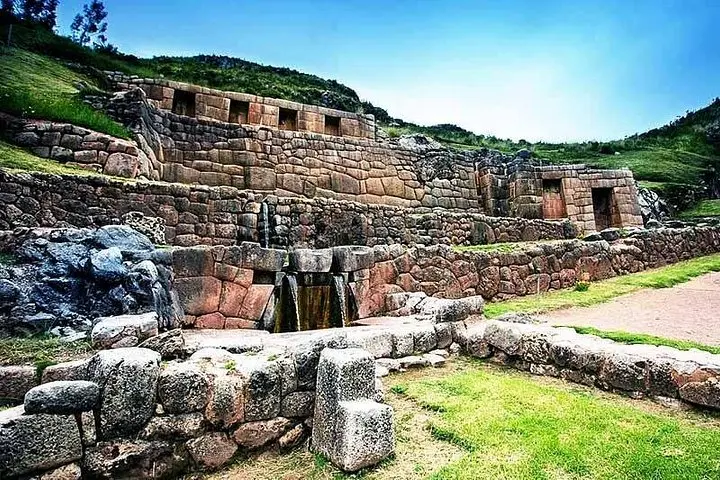
Expect periods of walking between sites, short stair climbs and panoramic viewpoints where mountain air seems to push you forward. A guide will translate architectural details into practical context and point out lesser-known niches and water channels at Tambomachay.
Practical guidance: allow time to acclimatize before the tour, carry water and a light insulating layer, and wear sturdy walking shoes—cobblestones are uneven. Entrance fees to archaeological sites are often separate; bring local currency. Start mid-morning to avoid both pre-sunrise chill and late-afternoon crowds. Respect signage at ruins—stay on designated paths and avoid touching finely cut stonework.
No—entrance to archaeological sites and the cathedral is typically not included and must be paid separately; bring local currency or check current ticketing policies.
Expect roughly 3–5 km of walking with some stair climbs and short uneven sections; the pace is moderate with stops at each site.
Yes, the tour is rated easy and suitable for most ages, though those with limited mobility may find some sites have uneven terrain and steps.
This specific offering provides English and Spanish-speaking guides; check booking details if you need another language.
Kinty Travel Cusco operates guided outdoor trips and adventures with an emphasis on safety, stewardship, and memorable experiences.
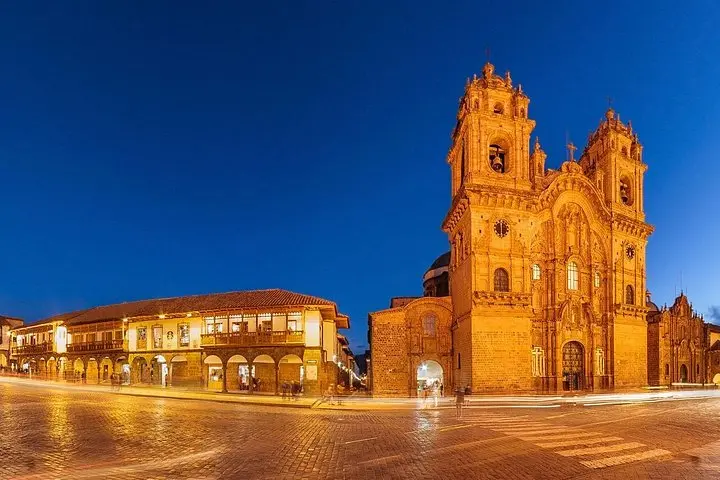
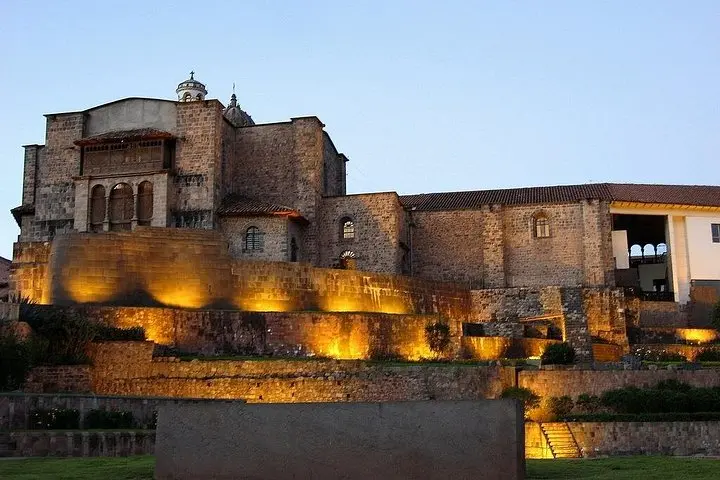
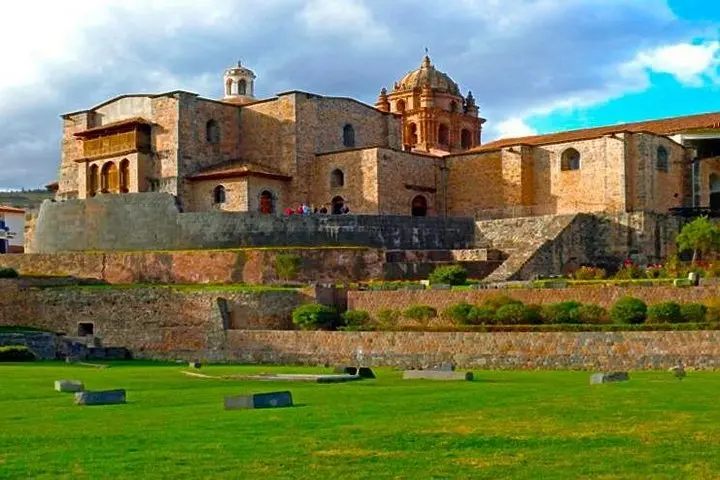
You step out onto Cusco’s Plaza de Armas and the city exhales—market voices, church bells and the Andes pressing the skyline into sharp, wind-cut ridges. This half-day circuit threads between colonial stone and colossal Inca masonry: the Cathedral’s carved wood and silverwork, the stone foundations of Qoricancha where the sun was worshipped, and the military terraces of Sacsayhuamán that overlook the city.
You step out onto Cusco’s Plaza de Armas and the city exhales—market voices, church bells and the Andes pressing the skyline into sharp, wind-cut ridges. This half-day circuit threads between colonial stone and colossal Inca masonry: the Cathedral’s carved wood and silverwork, the stone foundations of Qoricancha where the sun was worshipped, and the military terraces of Sacsayhuamán that overlook the city.
The route traces layers of history. Cusco was the heart of the Inca empire; its streets and terraces record centuries of conquest and adaptation. Geology is visible underfoot—andesitic and volcanic rock quarried and finely dressed by Inca masons—and the city’s elevation (about 3,400 m) gives each breath a crisp edge. Local culture remains present: artisan markets in San Blas, pre-Columbian motifs carved into colonial facades, and fountains that recall the Inca reverence for water.
Expect periods of walking between sites, short stair climbs and panoramic viewpoints where mountain air seems to push you forward. A guide will translate architectural details into practical context and point out lesser-known niches and water channels at Tambomachay.
Practical guidance: allow time to acclimatize before the tour, carry water and a light insulating layer, and wear sturdy walking shoes—cobblestones are uneven. Entrance fees to archaeological sites are often separate; bring local currency. Start mid-morning to avoid both pre-sunrise chill and late-afternoon crowds. Respect signage at ruins—stay on designated paths and avoid touching finely cut stonework.