THE ADVENTURE COLLECTIVE® · Independent discovery and booking for outdoor travel

Explore Cusco's living history on a private half-day tour that pairs Koricancha's Inca precision with Saqsayhuamán's colossal stoneworks and Spanish colonial churches. Ideal for travelers who want a focused cultural primer with short walks and local context.
Explore Cusco's living history on a private half-day tour that pairs Koricancha's Inca precision with Saqsayhuamán's colossal stoneworks and Spanish colonial churches. Ideal for travelers who want a focused cultural primer with short walks and local context.
The bus eases out of Cusco's narrow streets as highland air pinches the skin; stone and sky trade places and the city reveals itself in layers—Inca foundations, Spanish facades, and Andean light. Within a half-day you'll walk across plazas that still hold the rhythm of market life, step into Koricancha’s precise stonework, and stand beneath the giant megaliths of Saqsayhuamán where the mountains watch like slow guardians.
Verified experiences and guided adventures in the surrounding area.
Operated by Valencia Travel Agency S.a.c. · Cusco, Cusco
The bus eases out of Cusco's narrow streets as highland air pinches the skin; stone and sky trade places and the city reveals itself in layers—Inca foundations, Spanish facades, and Andean light. Within a half-day you'll walk across plazas that still hold the rhythm of market life, step into Koricancha’s precise stonework, and stand beneath the giant megaliths of Saqsayhuamán where the mountains watch like slow guardians.
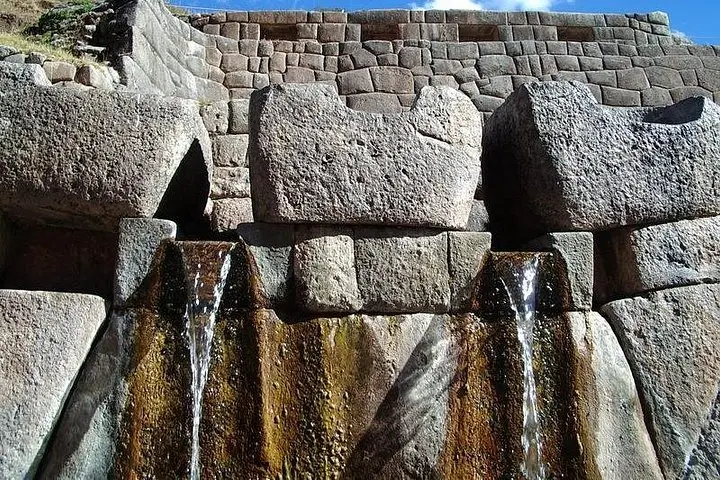
Cusco was the capital of the Inca empire and later a colonial administrative center; its streets are a direct conversation between pre-Columbian masonry and 16th-century churches. Geologically the region sits on uplifted Andean bedrock, giving Saqsayhuamán its massive, fitted stones—some blocks weighing over 100 tons—while nearby streams and terraces reflect ancient water management practices. Culturally, expect living Quechua traditions: textiles, markets, and ritual sites like Q'enqo and Tambomachay that speak to water worship and agricultural cycles.
Practically, the tour mixes short walks and vehicle transfers—cobblestones and uneven steps are common and altitude (≈3,400 m) shapes effort: breathe slow and take your time. The outing includes a professional guide and a private bus (15–25 seats); admissions to attractions typically are paid separately. Bring layered clothing for sun and cold, sun protection, cash for small purchases and museum tickets, and comfortable, grippy shoes for cobbles and terraces. Time your visit for morning or late afternoon light for best photos and fewer crowds; carry water and move deliberately—Cusco’s landscape rewards patience.
Yes—Cusco sits around 3,400 m. Short tours are manageable for most, but hydrate, rest beforehand, and inform your guide if you feel unwell.
Admissions are typically not included; bring cash or card to purchase tickets for Koricancha, Saqsayhuamán and other sites as needed.
Expect several short walks up to 30–60 minutes at individual sites with cobbles and uneven terrain; the tour uses a minibuss for transfers between locations.
Yes—it's labeled easy and suitable for all fitness levels, but mobility concerns on stairs and cobblestones should be considered and communicated when booking.
Valencia Travel Agency S.a.c. operates guided outdoor trips and adventures with an emphasis on safety, stewardship, and memorable experiences.
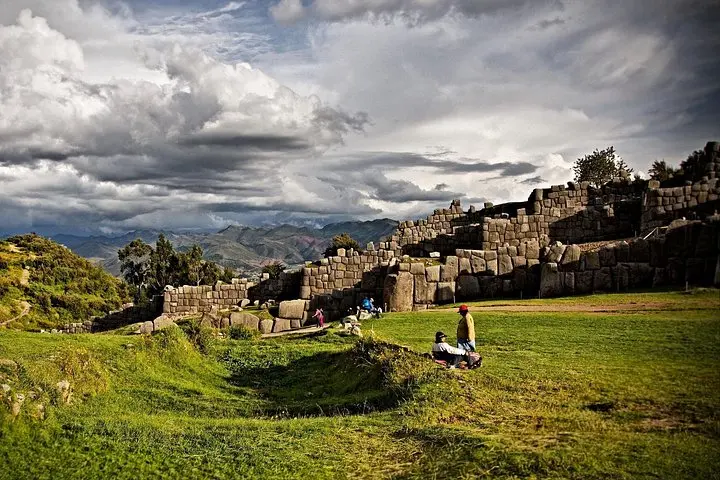
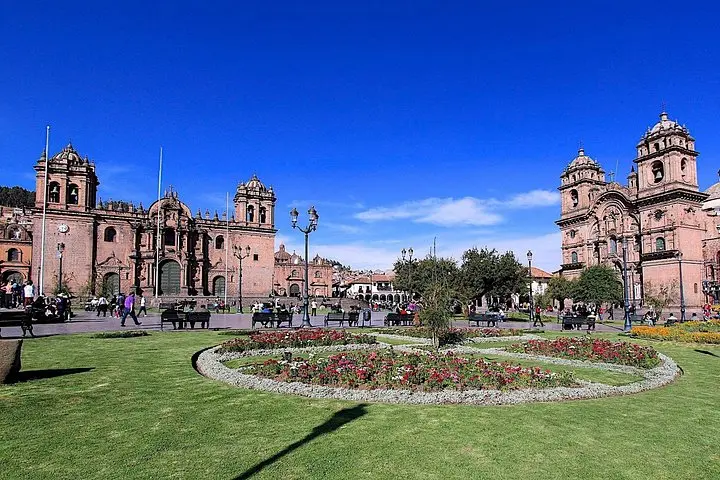
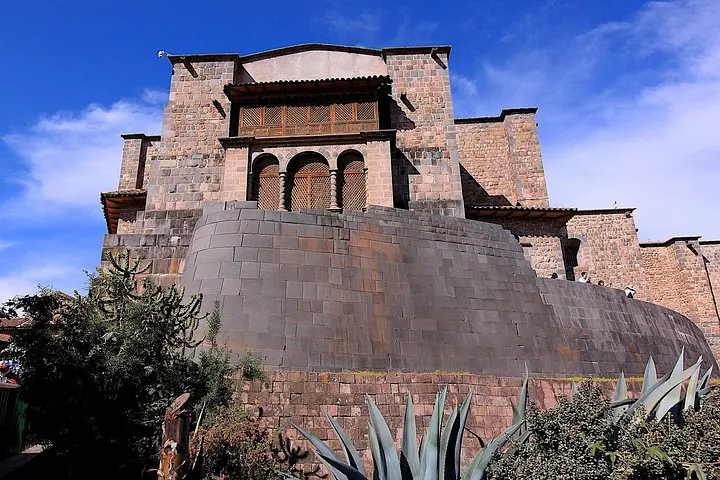
The bus eases out of Cusco's narrow streets as highland air pinches the skin; stone and sky trade places and the city reveals itself in layers—Inca foundations, Spanish facades, and Andean light. Within a half-day you'll walk across plazas that still hold the rhythm of market life, step into Koricancha’s precise stonework, and stand beneath the giant megaliths of Saqsayhuamán where the mountains watch like slow guardians.
The bus eases out of Cusco's narrow streets as highland air pinches the skin; stone and sky trade places and the city reveals itself in layers—Inca foundations, Spanish facades, and Andean light. Within a half-day you'll walk across plazas that still hold the rhythm of market life, step into Koricancha’s precise stonework, and stand beneath the giant megaliths of Saqsayhuamán where the mountains watch like slow guardians.
Cusco was the capital of the Inca empire and later a colonial administrative center; its streets are a direct conversation between pre-Columbian masonry and 16th-century churches. Geologically the region sits on uplifted Andean bedrock, giving Saqsayhuamán its massive, fitted stones—some blocks weighing over 100 tons—while nearby streams and terraces reflect ancient water management practices. Culturally, expect living Quechua traditions: textiles, markets, and ritual sites like Q'enqo and Tambomachay that speak to water worship and agricultural cycles.
Practically, the tour mixes short walks and vehicle transfers—cobblestones and uneven steps are common and altitude (≈3,400 m) shapes effort: breathe slow and take your time. The outing includes a professional guide and a private bus (15–25 seats); admissions to attractions typically are paid separately. Bring layered clothing for sun and cold, sun protection, cash for small purchases and museum tickets, and comfortable, grippy shoes for cobbles and terraces. Time your visit for morning or late afternoon light for best photos and fewer crowds; carry water and move deliberately—Cusco’s landscape rewards patience.