
Half-Day Cusco City Tour to Sacsayhuaman, Qenqo & Tambomachay
Spend a focused half-day exploring Cusco’s Inca highlights—Coricancha, Sacsayhuamán, Qenqo, Puca Pucara and Tambomachay. This compact tour blends sweeping views, precise stone masonry and practical advice for coping with high altitude.
An Adventure In Cusco.
Spend a focused half-day exploring Cusco’s Inca highlights—Coricancha, Sacsayhuamán, Qenqo, Puca Pucara and Tambomachay. This compact tour blends sweeping views, precise stone masonry and practical advice for coping with high altitude.
Read the full experience
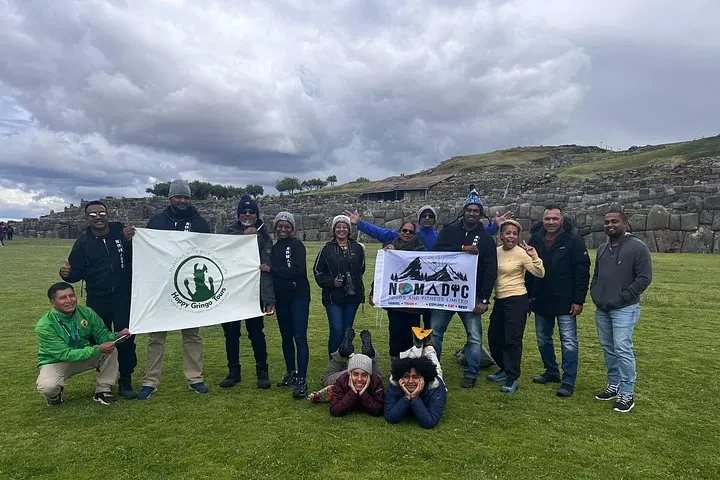
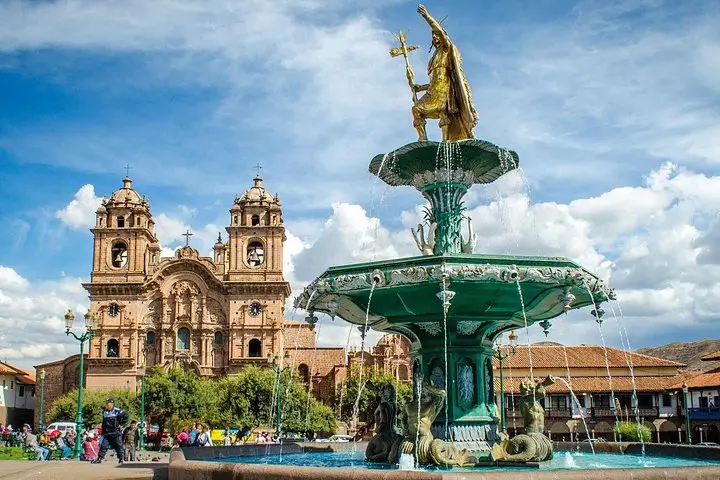
Morning light in Cusco cuts across steep streets and ancient stone walls; the city’s altitude is the first thing you notice—thin air and a slow, deliberate pace that makes each step a small achievement. On a half-day tour visitors move out from the Plaza de Armas toward Coricancha’s patched Inca foundations, then climb to the ridged terraces of Sacsayhuamán where colossal zigzag walls loom above the city.
Morning light in Cusco cuts across steep streets and ancient stone walls; the city’s altitude is the first thing you notice—thin air and a slow, deliberate pace that makes each step a small achievement. On a half-day tour visitors move out from the Plaza de Armas toward Coricancha’s patched Inca foundations, then climb to the ridged terraces of Sacsayhuamán where colossal zigzag walls loom above the city.
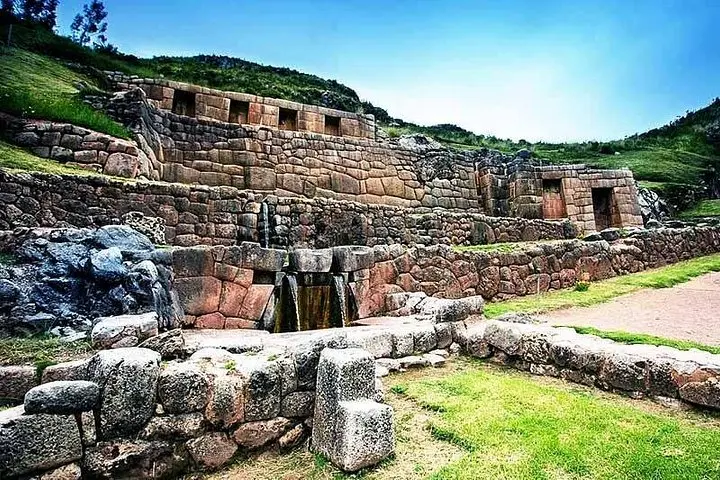
These sites map centuries of imperial power and colonial overlay: Coricancha served as the House of the Sun, its ashlar masonry repurposed beneath the Santo Domingo convent; Sacsayhuamán’s giant fitted blocks reflect both sacred design and defensive capability. Qenqo’s carved amphitheater and water channels hint at ritual practices, while Tambomachay’s aqueducts show the Inca mastery of hydraulics. Puca Pucara and the lookout roads remind you the Inca road network (Qhapaq Ñan) threaded this valley.
Geologically, the region sits on uplifted Andean formations with volcanic and sedimentary strata visible on exposed rock faces. Culturally the sites remain active in local festivals and offerings; guide commentary will point out retained Quechua place names and their meanings.
Practical guidance: plan 3–4 hours, bring water, sunscreen, and sturdy shoes for uneven stonework. Move deliberately at altitude—drink, rest, and avoid sudden exertion. Morning departures minimize crowds and maximize light for photos. Admission to each archaeological park is usually separate; check entrance fees in advance. Expect short walks between viewpoints, accessible paths at most sites, and bilingual guides to explain context and conservation efforts.
Frequently asked questions
The half-day itinerary runs about 3–4 hours, covering Coricancha, Sacsayhuamán, Qenqo, Puca Pucara and Tambomachay with short stops at each site.
Yes—sites involve walking but not technical climbing; expect uneven surfaces and some steps, so mobility limits should be discussed when booking.
Some sites are covered by the Boleto Turístico del Cusco; others may require separate admission—confirm with the operator before you go.
Acclimatize for a day or two in Cusco, hydrate, eat lightly, avoid alcohol before the tour, and inform your guide if you feel unwell so they can adjust the pace.
About This Experience
Happy Gringo Tours operates guided outdoor trips and adventures with an emphasis on safety, stewardship, and memorable experiences.
Adventure tips
Recommended gear
- Sturdy walking shoes: Provide traction and ankle support on irregular Inca stone and steps.
- Water bottle (1L+): Staying hydrated helps prevent altitude-related symptoms during the tour.
- Sun protection (hat & sunscreen): High-elevation sun exposure is intense year-round—protect skin and eyes.
- Light insulating layer: Mornings and late afternoons can be cool; a packable jacket adds comfort.
Photos of the experience
Related adventures & guides
Read the full experience
Morning light in Cusco cuts across steep streets and ancient stone walls; the city’s altitude is the first thing you notice—thin air and a slow, deliberate pace that makes each step a small achievement. On a half-day tour visitors move out from the Plaza de Armas toward Coricancha’s patched Inca foundations, then climb to the ridged terraces of Sacsayhuamán where colossal zigzag walls loom above the city.
Morning light in Cusco cuts across steep streets and ancient stone walls; the city’s altitude is the first thing you notice—thin air and a slow, deliberate pace that makes each step a small achievement. On a half-day tour visitors move out from the Plaza de Armas toward Coricancha’s patched Inca foundations, then climb to the ridged terraces of Sacsayhuamán where colossal zigzag walls loom above the city.
These sites map centuries of imperial power and colonial overlay: Coricancha served as the House of the Sun, its ashlar masonry repurposed beneath the Santo Domingo convent; Sacsayhuamán’s giant fitted blocks reflect both sacred design and defensive capability. Qenqo’s carved amphitheater and water channels hint at ritual practices, while Tambomachay’s aqueducts show the Inca mastery of hydraulics. Puca Pucara and the lookout roads remind you the Inca road network (Qhapaq Ñan) threaded this valley.
Geologically, the region sits on uplifted Andean formations with volcanic and sedimentary strata visible on exposed rock faces. Culturally the sites remain active in local festivals and offerings; guide commentary will point out retained Quechua place names and their meanings.
Practical guidance: plan 3–4 hours, bring water, sunscreen, and sturdy shoes for uneven stonework. Move deliberately at altitude—drink, rest, and avoid sudden exertion. Morning departures minimize crowds and maximize light for photos. Admission to each archaeological park is usually separate; check entrance fees in advance. Expect short walks between viewpoints, accessible paths at most sites, and bilingual guides to explain context and conservation efforts.
Make a day of it nearby.
Verified experiences and guided adventures in the surrounding area.